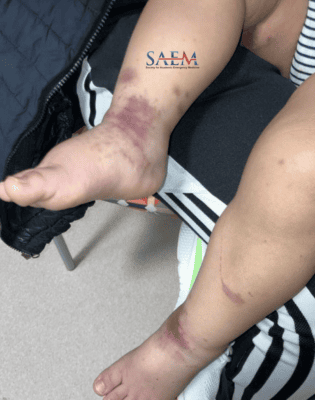
SAEM Clinical Images Series: Bilateral Leg Swelling with a Uterine Twist
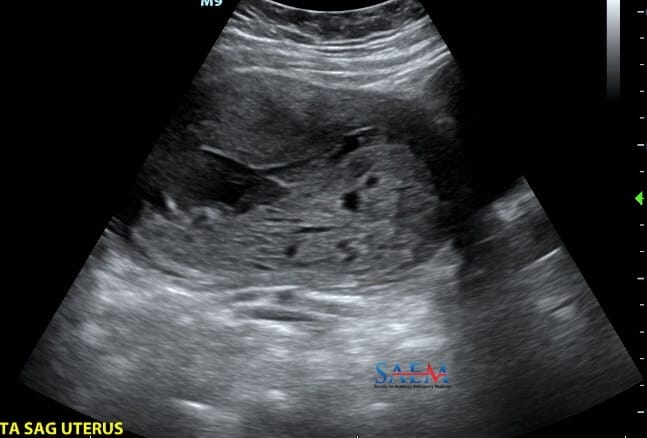
The patient is a 40-year-old female who presents to the Emergency Department with bilateral leg swelling. Her symptoms started six days prior and have progressively worsened. Her symptoms are associated with shortness of breath with no chest pain. The patient has taken an over-the-counter diuretic, which has helped with her symptoms. She also reports intermittent vaginal bleeding for the past two months, with a LMP that was two months prior. She is not currently on contraceptives, and does endorse unprotected intercourse over this time. The patient denies headache, blurry vision, nausea or vomiting, abdominal pain, urinary complaints, diarrhea or constipation. She has no other complaints at this time.
Vitals: BP 140/86; HR 97; R 14; T 99°F; O2 sat 99% on room air.

General: Well appearing, no acute distress.

Respiratory: Clear to auscultation.

Cardiovascular: Regular rate and rhythm, no murmur.

Abdomen: Soft, nondistended, nontender.

Extremities: Trace bilateral pitting edema. Normal range of motion, neurovascularly intact, equal pulses bilaterally.

Neurological: No focal neurological deficits.

Hgb: 9.6 (previously 13.3 two years prior)

Creatinine: Normal

BNP: 706 pg/mL

Serum -HCG: 874,342 mIU/ml

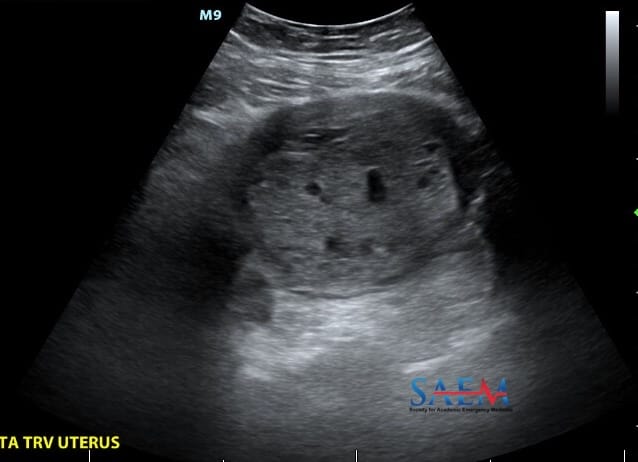
This patient has a complete molar pregnancy.

Molar pregnancy is part of a spectrum of gestational trophoblastic tumors that include benign hydatidiform moles, locally invasive moles, and choriocarcinoma. Patients classically present with painless first or early second trimester vaginal bleeding with uterine size larger than expected gestational age and excessively high β-hcg levels. Some patients develop anemia, hyperemesis gravidarum, clinical hyperthyroidism, and signs of preeclampsia including hypertension, headaches, proteinuria and edema. Acute respiratory distress can occur due to embolization of trophoblastic tissue into the pulmonary vasculature, thyrotoxicosis, or simple fluid overload. Management involves removal of molar tissue through D&C or dilation and suction evacuation. Histopathologic examination of the products of conception is the gold standard for the diagnosis of a molar pregnancy. β-hcg levels are then monitored to ensure complete resolution and to detect any signs of persistent trophoblastic disease. In some cases, adjunct chemotherapy or even hysterectomy may be needed.

Take-Home Points

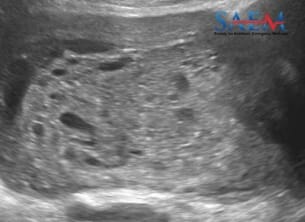
  • Molar pregnancy can be diagnosed with excessively high β-hcg levels and an ultrasound that shows a classic “snowstorm” or “bunches of grapes” finding.

  • Consider gestational trophoblastic disease in any patient with signs and symptoms of preeclampsia prior to 20 weeks gestation.

  • Cavaliere A, Ermito S, Dinatale A, Pedata R. Management of molar pregnancy. J Prenat Med. 2009 Jan;3(1):15-7. PMID: 22439034; PMCID: PMC3279094.
  • Soper, John T. MD. Gestational Trophoblastic Disease: Current Evaluation and Management. Obstetrics & Gynecology 137(2):p 355-370, February 2021. | DOI: 10.1097/AOG.0000000000004240
By |2026-01-31T19:31:26-08:00Feb 6, 2026|Ob/Gyn, SAEM Clinical Images|

SAEM Clinical Images Series: A Curious Case of Abdominal Pain

The patient is a 22-year-old G0P0 female who presents to the Emergency Department with two days of left lower quadrant abdominal pain. The patient rates her pain as 10/10 in intensity, sharp in character, and states the pain radiates to her lower back. She notes similar intermittent pain over the past few months, but the pain became persistent over the past two days and has worsened. She also reports decreased appetite with nausea and vomiting. Her pain is exacerbated by movement. She began her menstrual period three days before presentation and denies being sexually active. She was previously prescribed oral contraception for treatment of menorrhagia, but discontinued it five months ago. She denies any fever, chills, chest pain, shortness of breath, urinary frequency, dysuria, vaginal discharge, bleeding, or vaginal pain.

Vitals: BP 132/84; HR 89; R 17; T 98.6°F; O2 sat 100% on room air

General: Appears uncomfortable due to pain.

Cardiovascular: Normal rate, regular rhythm.

Abdominal: Soft, non-distended, LLQ tenderness to palpation without rebound or guarding, bowel sounds present.

Genitourinary: No active bleeding or discharge, no signs of infection. No masses palpated.

WBC: 4.8

Hgb: 13.2

BMP: Normal

LFT’s: Normal

Urinalysis: Normal

Urine pregnancy test: Negative

This patient has a mature cystic teratoma (Dermoid Cyst).

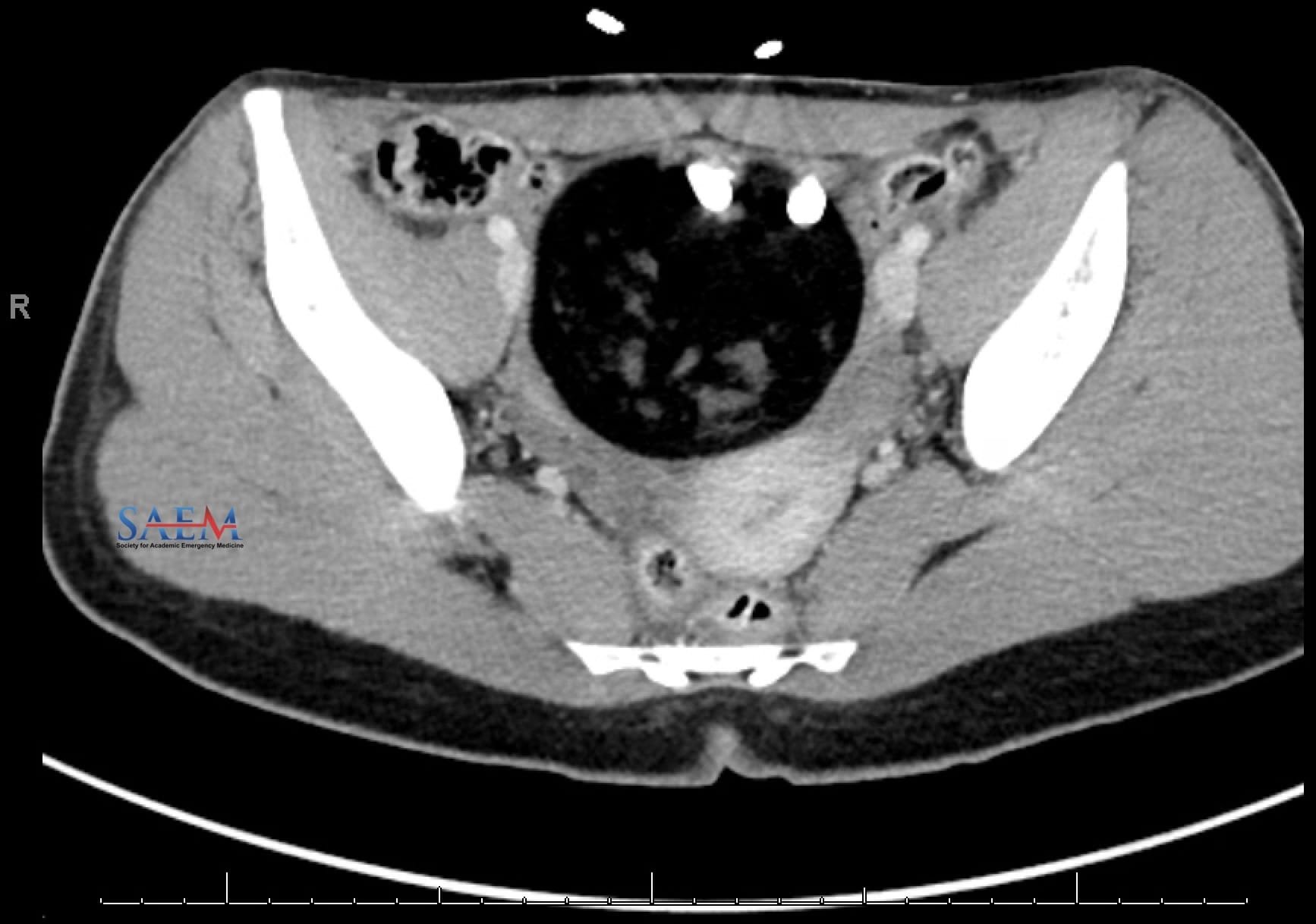
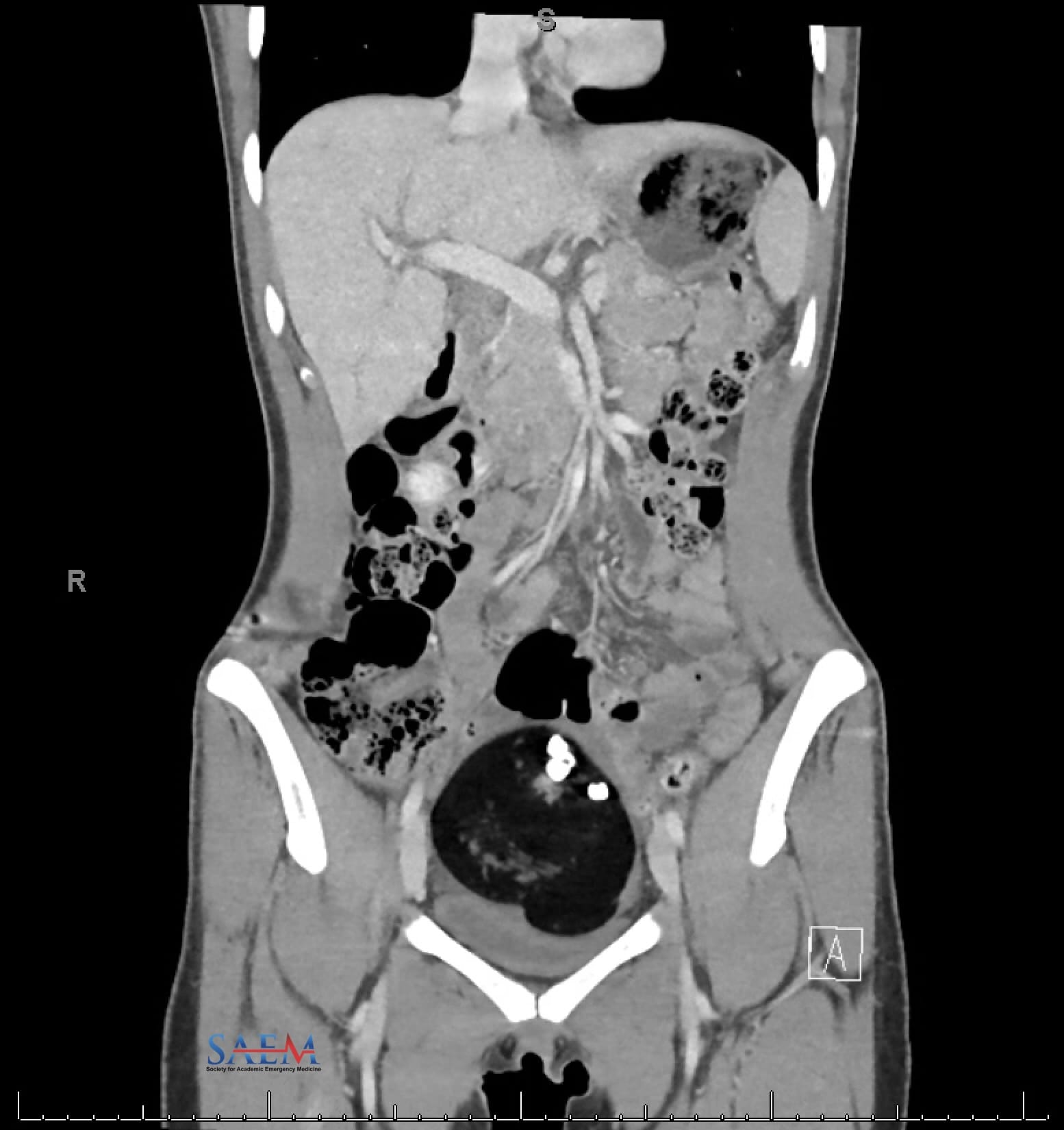
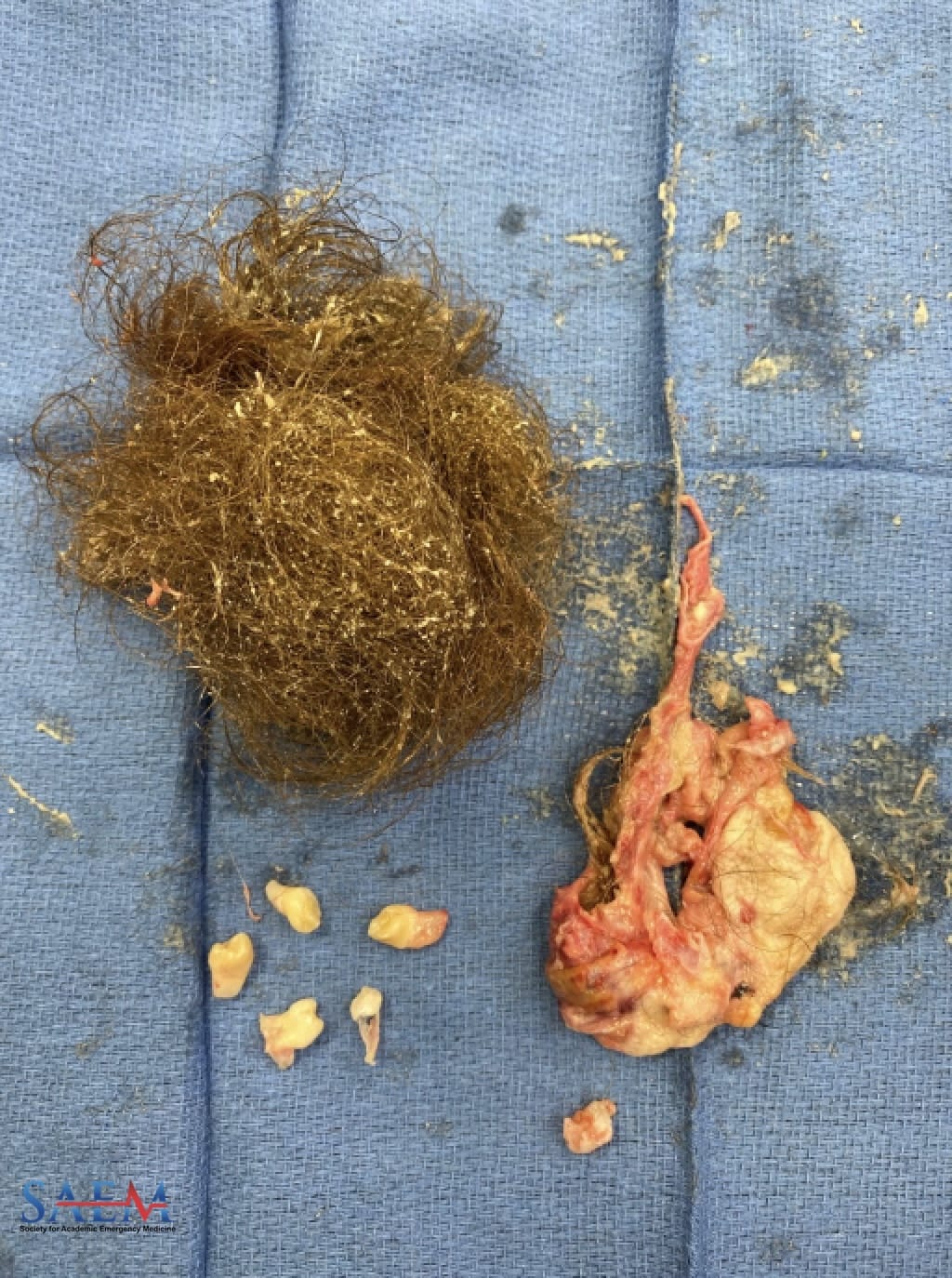
Mature cystic teratomas (MCTs), also known as dermoid cysts, are benign ovarian germ cell tumors. While MCTs can occur in women of any age, they are found primarily in patients of reproductive age, with a median age of mid-30s. Patients may present asymptomatically, or with symptoms including nausea/vomiting, abdominal pain, and vaginal bleeding. Pelvic ultrasound or abdominal CT are first-line imaging studies, as well as laboratory testing to include ruling out pregnancy. In this patient with a negative UA and urine pregnancy test, abdominal CT was obtained and showed a large pelvic mass containing bony structures. Intraoperatively, the patient was found to have a large left ovarian dermoid cyst with evidence of torsion. The cyst contained multiple teeth and brown hair, and the diagnosis was confirmed with surgical pathology. Ovarian torsion is a serious complication of MCT and occurs in 3% to 21% of cases. If concomitant ovarian torsion is suspected, emergent gynecologic consultation is warranted.

Take-Home Points

  • Dermoid cysts are benign ovarian germ cell tumors that may grow large, cause significant pain, and often contain teeth and hair.

  • Ovarian torsion is an emergent potential complication of dermoid cysts and may require emergent consultation and surgical intervention.

  • Cong L, Wang S, Yeung SY, et al. Mature Cystic Teratoma: An Integrated Review. Int J Mol Sci. 2023;24(7):6141. doi: 10.3390/ijms24076141. PMID: 37047114.
  • Ahmed A, Lotfollahzadeh S. Cystic Teratoma. 2023. In: StatPearls [Internet]. Treasure Island (FL): StatPearls Publishing; 2024. PMID: 33231995.


By |2026-01-31T19:24:41-08:00Feb 2, 2026|Ob/Gyn, SAEM Clinical Images|

SAEM Clinical Images Series: Quirky Quincke’s

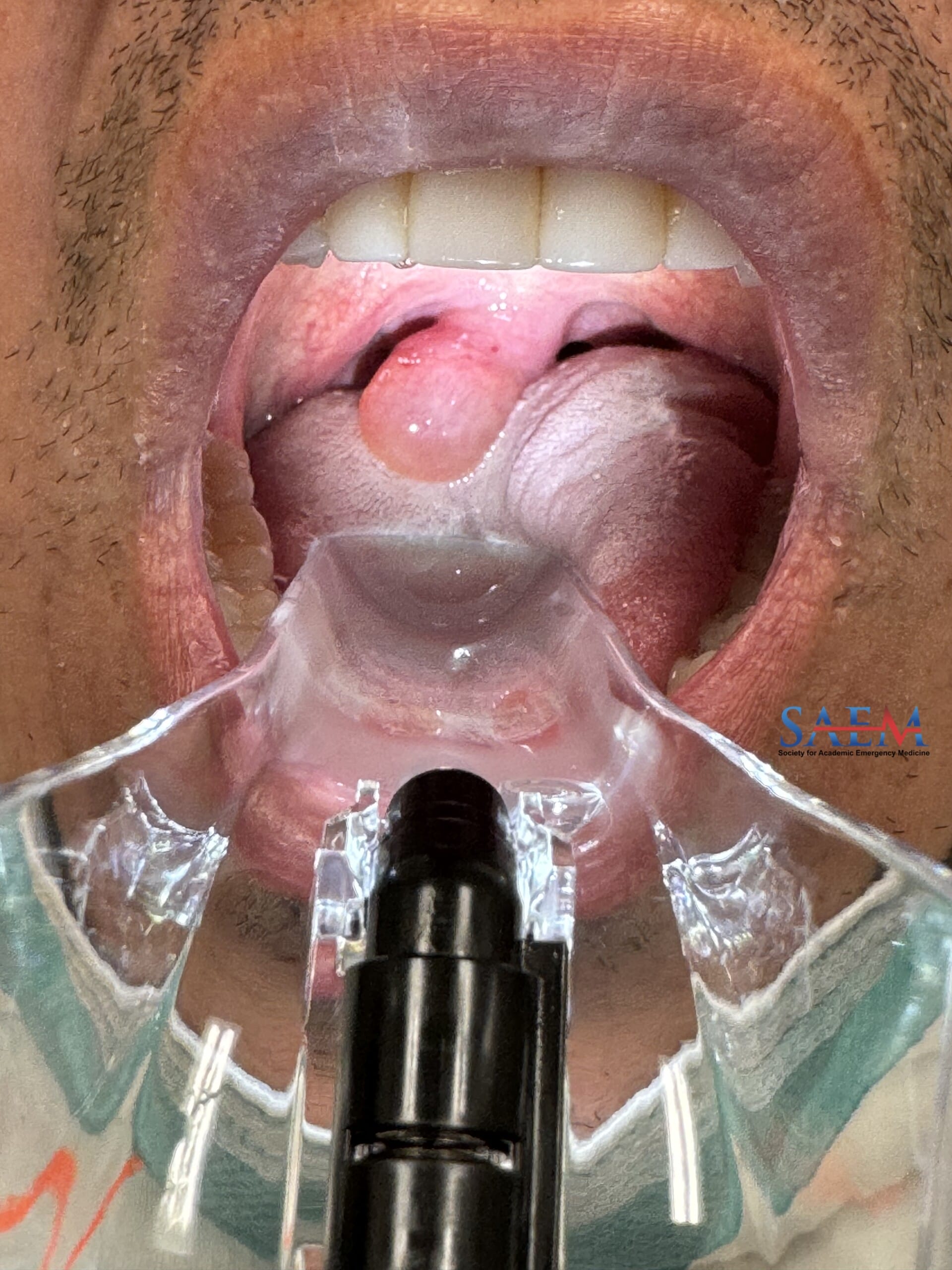
The patient is a 38-year-old male with no past medical history who presents to the Emergency Department with chief complaint of “swollen uvula” that started 4 hours ago. The patient reports that he woke up this morning with pain in his throat and associated shortness of breath secondary to swelling. States he looked in his mouth in the mirror and saw that his uvula was swollen, prompting his visit to the ED. He states that he took Benadryl and Tylenol at onset of symptoms with no relief. The patient denies fever, cough, runny nose, nausea, vomiting, or drooling and has had no known sick contacts, changes in diet, or new medications. He denies smoking or any illicit drug use. He reports that this happened to him once before years ago when he was in his 20s, when he had similar presentation with edema of his uvula that was treated with Benadryl and a “shot” that he received 1 time in the emergency department with significant improvement and resolution of symptoms. He has no other complaints at this time.

Vitals: BP 115/69 HR 86 R 17 T 98.2 O2sat 100% room air.

General: Well appearing, no acute distress, normal voice.
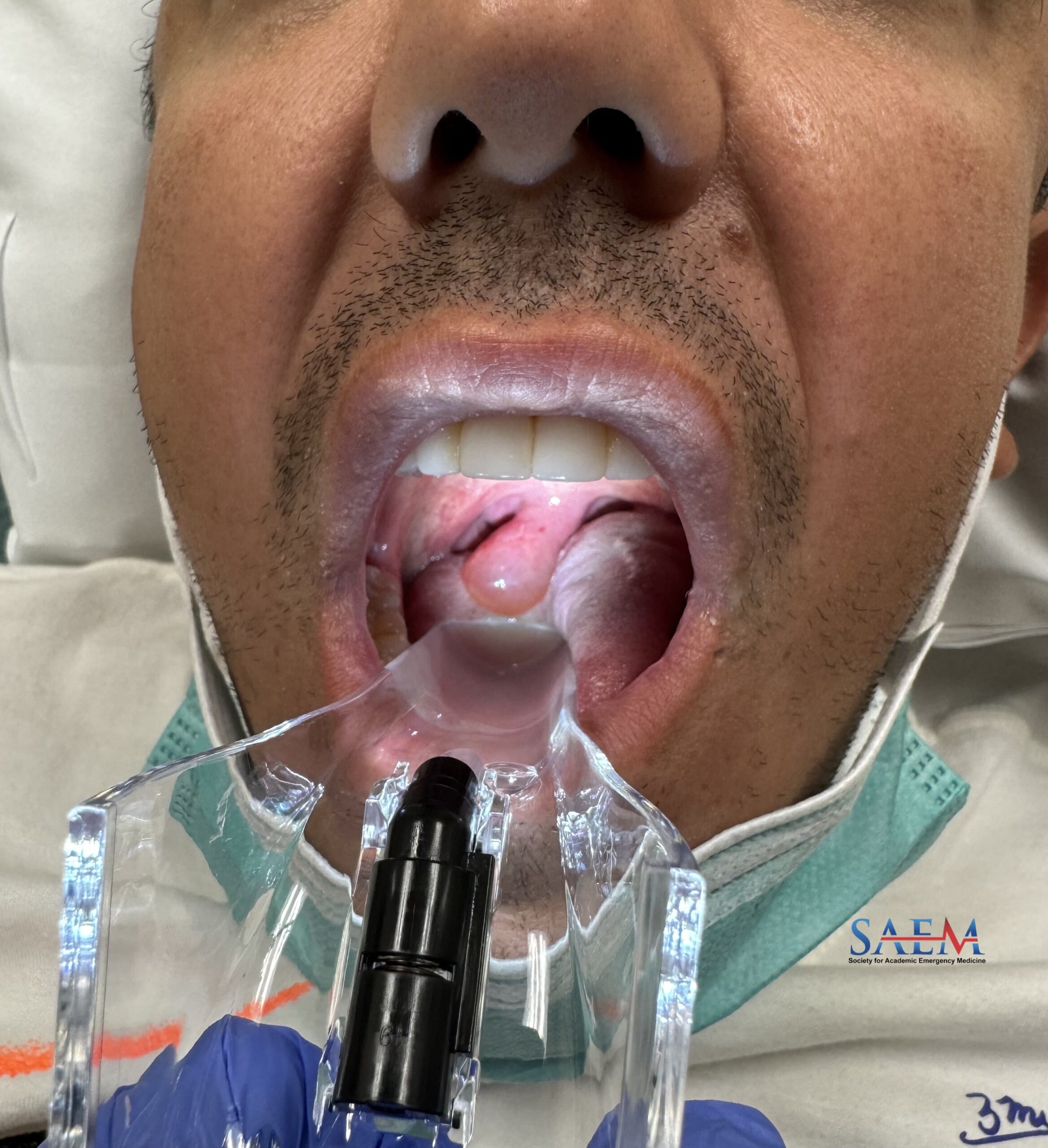
HEENT: Relevant findings as shown. There is no drooling, pooling of secretions, muffled voice, lip swelling, or trismus. No signs of
peritonsillar abscess.
Neck: Non-tender to palpation. No swelling or adenopathy present.
Respiratory: Clear to auscultation bilaterally, breathing comfortably.

Influenza, COVID, Rapid Strep: negative

Quincke’s Disease (isolated angioedema of the uvula)

Quincke’s disease is an uncommon clinical diagnosis with unknown incidence; there are multiple causes reported in the literature. The most commonly reported cause is Type 1 hypersensitivity reaction. Other reported causes include hereditary angioedema, inhalation exposure, thermal injuries, and infections. In our particular case, we suspect hereditary angioedema given the patient’s prior history of the same issue. The ED management of uvular angioedema should include treatment with antihistamines, corticosteroids, NSAIDs and/or epinephrine in severe cases. Antibiotics are indicated if infection suspected. In cases of hereditary angioedema, patients may benefit from recombinant C1 esterase inhibitors. Patients with uvular angioedema should be closely monitored for signs of worsening respiratory compromise. If the patient worsens, admission for close observation should be considered or in severe cases, intubation for airway protection may be necessary. If the edema is not progressing, mild or uncomplicated, and/or resolved after treatment, patients can be safely discharged home. Our patient was monitored in the ED for over 2 hours without worsening and was discharged home with close follow up.

Take-Home Points

  • Quincke’s disease is an uncommon phenomenon of isolated uvular edema with multiple possible etiologies.
  • Airway patency is the primary concern when managing uvular angioedema.

  • Gabriel Atan Sanchez, Madison Boot, Abdul Lathif, Quincke’s disease: an unusual pathology, Journal of Surgical Case Reports, Volume 2023, Issue 3, March 2023, rjad085, https://doi.org/10.1093/jscr/rjad085
  • Mohammadi, Ladan1,; Miller, Anthony2; Ashurst, John V.3. Quincke’s disease. Journal of Family Medicine and Primary Care 5(3):p 677-679, Jul–Sep 2016. | DOI: 10.4103/2249-4863.197308
  • Gonçalves FMF, Costa M, Campos AL, Cotter J. Quincke’s Disease Presenting After Cocaine Exposure. Cureus. 2022 Oct 21;14(10):e30536. doi: 10.7759/cureus.30536. PMID: 36415441; PMCID: PMC9675901.


By |2026-01-25T20:55:37-08:00Jan 30, 2026|ENT, SAEM Clinical Images|

SAEM Clinical Images Series: Pain, Paralysis, and Rash

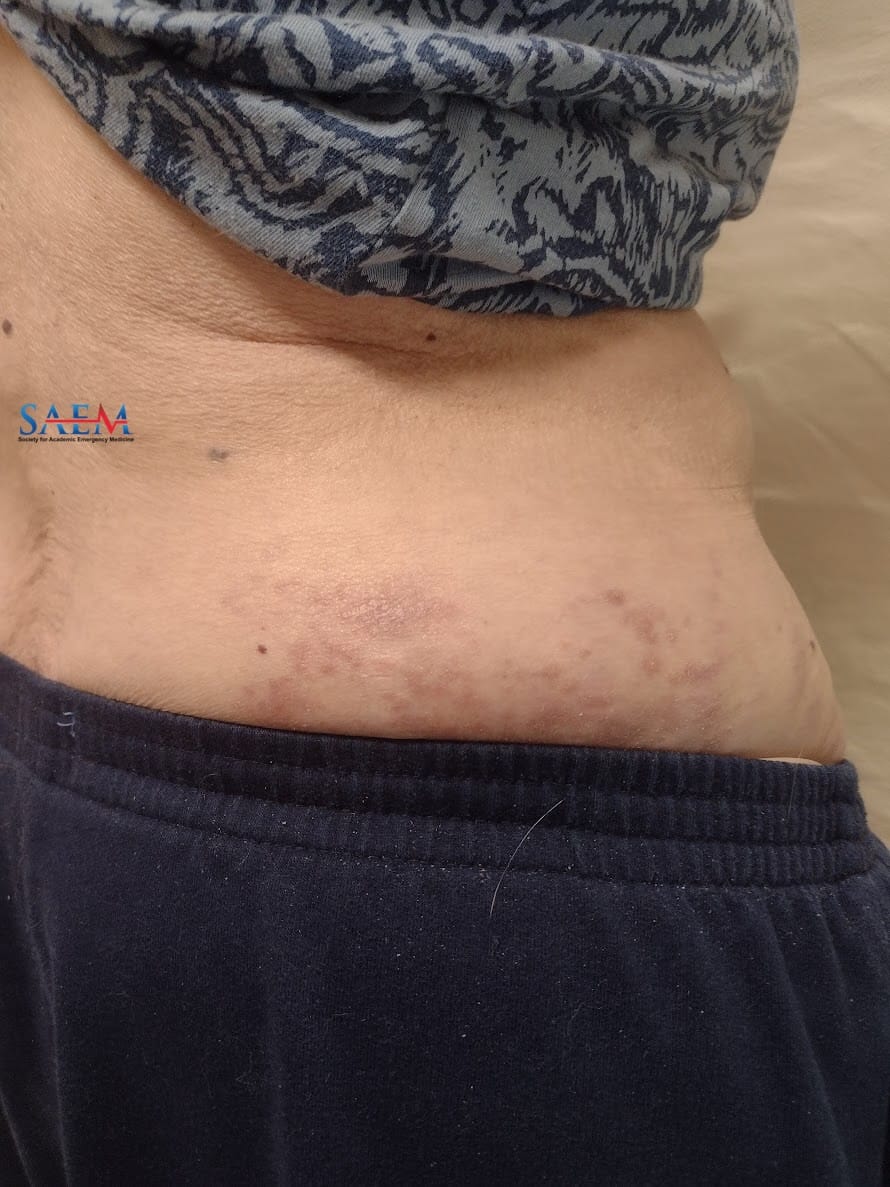
The patient is an 81-year-old female with a history of asthma and hypertension who presents to the Emergency Department with right-sided abdominal swelling for five days. Five days ago, the right side of her abdomen appeared to protrude more than the left. This protrusion then increased over the next 2-3 days. The patient was diagnosed with shingles to the right lower abdomen earlier that month, but her rash has now nearly resolved. She continues to have “electric” pain in the region of the prior shingles infection. She denies any fevers, abdominal trauma, vomiting, or changes in bowel or bladder habits. She has never had anything like this before.

Vitals: All vital signs are normal.

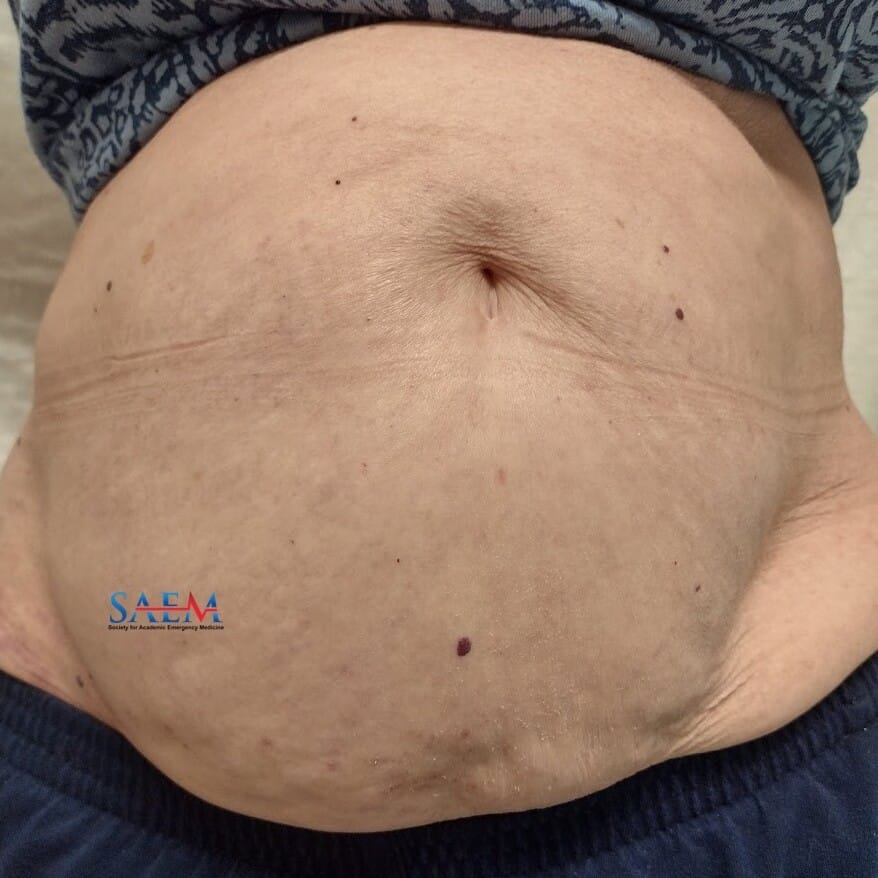
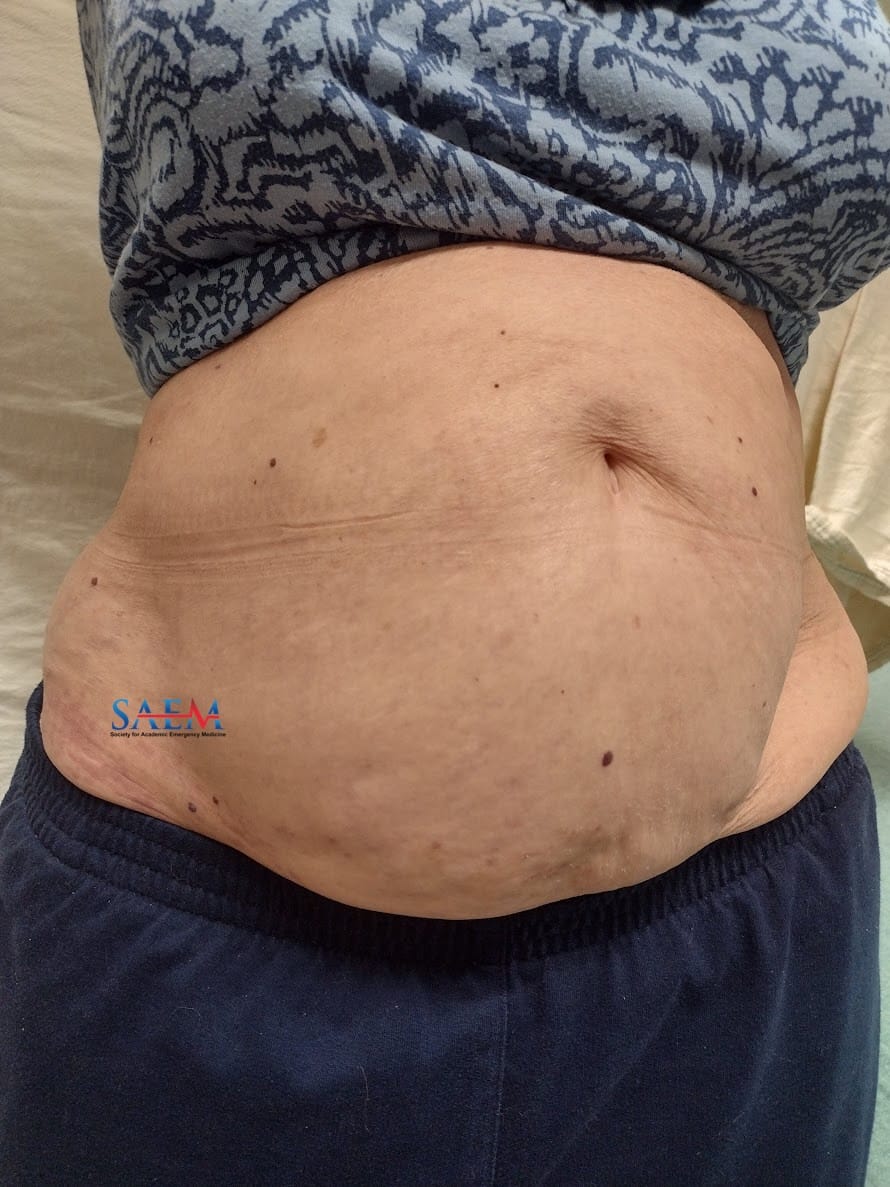
Abdomen: See image provided. There is a firm unilateral distention of the right lower abdomen without shifting dullness or fluid wave. No palpable masses are present. There is moderate tenderness over the protruding region but no rebound or guarding. Bowel sounds are present.

Skin: See image provided. Moderate tenderness to palpation over region.

CBC and CMP are unremarkable.

CT scan of the abdomen and pelvis: No evidence of acute abnormality. Normal appendix. Moderate stool burden.

Zoster pseudohernia (ZP) occurs when the zoster infection infiltrates a posterior thoracic dermatome, affecting the spinal nerve roots responsible for the motor function of the abdominal wall. ZP typically presents with a rapidly progressive unilateral outpouching of the abdomen, giving a hernia-like appearance, but with intact abdominal wall musculature. In most cases, the classic Herpes Zoster rash precedes ZP, however in up to 10% of patients ZP may be the first presenting sign of zoster. Although uncommon, the symptoms are often distressing to patients, with many presenting to emergency departments or surgical offices for initial evaluation. The diagnosis is clinical and is based on a history of zoster infection or classic zoster symptoms and lack of findings suggesting alternate pathology. Abdominal CT or other imaging is recommended to exclude tumors, true hernias, free fluid, or other possible causes of abdominal distention. Electromyography (EMG) can be used to support diagnosis and will typically be abnormal due to the dysfunction of the abdominal wall musculature. Complete recovery occurs in 70-80% of patients within about 4-5 months.

Take-Home Points

  • Zoster Pseudohernia is a rare presentation of herpes zoster infection resulting in dysfunction of the abdominal wall musculature.

  •  There is no specific treatment with most cases fully resolving within several months to one year.

  • Chernev I, Dado D. Segmental zoster abdominal paresis (zoster pseudohernia): a review of the literature. PM R. 2013 Sep;5(9):786-90. doi: 10.1016/j.pmrj.2013.05.013. PMID: 24054853.
  • Yoo J, Koo T, Park E, Jo M, Kim MS, Jue MS. Abdominal pseudohernia caused by herpes zoster: 3 case reports and a review of the literature. JAAD Case Rep. 2019 Aug 5;5(8):729-732. doi: 10.1016/j.jdcr.2019.06.019. PMID: 31440570; PMCID: PMC6698640.


SAEM Clinical Images Series: A Pedunculated Bone to Pick

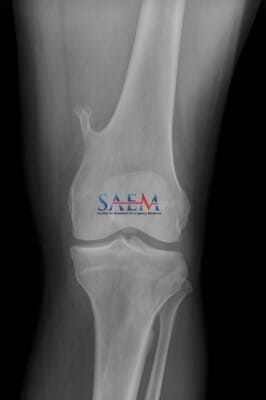
knee

The patient is a 46-year-old male with a past medical history of chronic left knee pain, hypertension, and congestive heart failure who presents to the Emergency Department with worsening left knee pain. He had been walking more frequently of late to increase his exercise, but denies any falls or specific trauma. He noticed some swelling to the area over the past few days but there has been no redness, rash, or fever. He also denies calf pain, lower leg swelling, and shortness of breath. He has no other complaints at this time but due to his worsening
pain and mild swelling, he comes in for evaluation.

Vital Signs: All vital signs are normal.
General: Well appearing, no acute distress.
Cardiovascular: No murmurs, 2+ peripheral pulses in all extremities.
Extremities: Left knee exam shows a small suprapatellar effusion and mild tenderness to palpation; there is no erythema, deformity, or crepitus; he has full active and passive range of motion.

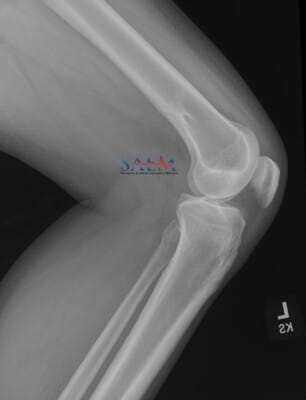
The patient has an osteochondroma.

Asymptomatic growths require no intervention. Symptomatic patients should be referred to orthopedics for consideration of resection.

Osteochondromas are the most common benign bony tumor and occur due to hamartomatous growth of cartilage. The characteristic x-ray appearance is a sessile or pedunculated bony growth located in the metaphysis projecting away from the epiphysis, as seen in this case. These lesions are more commonly seen in males and are typically diagnosed in the first four decades of life, with 75% of diagnoses occurring before the age of twenty. Patients typically present with painless masses close to tendon insertion sites, most commonly near the knee. There is a low risk of malignant transformation. Patients with Multiple Hereditary Exostoses, a rare autosomal dominant genetic condition, may present with numerous osteochondromas with a greater potential for malignant transformation. While the majority of osteochondromas are asymptomatic, symptoms may develop due to impingement on nearby structures or from fractures. If patients have persistent symptoms or cosmetic concerns, they can be referred to orthopedic surgery for consideration of resection. There have been no approved medical therapy options for osteochondroma.

Take-Home Points

  • Osteochondromas are benign bony tumors that typically present as painless masses and are also commonly found incidentally on x-ray.
  • Treatment is usually supportive; however, orthopedic surgery referral should be considered for persistent or severe symptoms.

  • Paras T, O’Donnell P. Osteochondroma & Multiple Hereditary Exostosis. Orthobullets.   Rauf A, Gaillard F. Osteochondroma. In: Radiopaedia.Org. Radiopaedia.org; 2005. doi:10.53347/rID-1799
  • Tepelenis K, Papathanakos G, Kitsouli A, et al.   Osteochondromas: an updated review of epidemiology, pathogenesis, clinical presentation, radiological features and treatment options. In Vivo. 2021;35(2):681-691. doi:10.21873/invivo.12308

By |2026-01-06T10:24:09-08:00Jan 12, 2026|SAEM Clinical Images|

SAEM Clinical Images Series: Wake-up Call

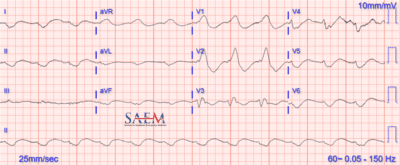
EKG

The patient is a 53-year-old anuric female with a history of kidney/liver transplant, ESRD on hemodialysis, diabetes mellitus, and atrial fibrillation with recent failed cardioversion who presents to the Emergency Department with one week of worsening generalized weakness. She reports dyspnea on exertion which improves with rest, generalized abdominal pain, and mild vomiting. Her medications include escitalopram 20 mg daily, flecainide 100 mg twice daily, magnesium oxide 400 mg daily, metoprolol 50 mg 3 times daily, pregabalin 50 mg daily, risperidone 0.5 mg twice daily, sevelamer 800 mg three times daily, tacrolimus 1.5 mg twice daily, ursodiol 300 mg 3 times daily, warfarin 5 mg daily, and tramadol 25 mg PRN. She denies any other complaints at this time.

Vitals: All vital signs are normal.

General: Mildly confused, speaking short phrases, appears chronically ill.
HEENT: Dry mucous membranes present, Moderate JVD present.
Respiratory: Bilateral crackles auscultated.
Cardiovascular: Regular rate and rhythm without murmurs, rubs, gallops.
Abdomen: Mild diffuse lower abdominal tenderness present.
Neurologic: Oriented times two, moves all extremities, asterixis present.

CMP: Na 123, K 4.8, Cl 85, BUN 53, Creat 6.6
LFT’s unremarkable, Ammonia 73, BNP 1508

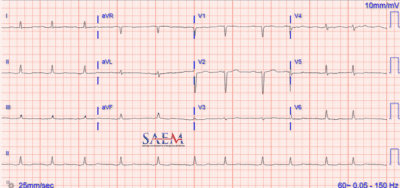
The cause of this abnormal EKG is flecainide toxicity. Flecainide is a class IC antiarrhythmic and a sodium channel blocking drug used mainly for the treatment of supraventricular dysrhythmias. The initial EKG shows a widened QRS and prolonged QT, nearing a sinusoidal pattern. Lengthening of the PR interval is also seen. This EKG could be consistent with severe hyperkalemia, but this patient’s potassium was normal. Sodium bicarbonate boluses were administered, but this treatment was limited due to ESRD and inability to buffer the bicarbonate, leading to rapid alkalosis. She received 3% saline as she could not tolerate larger fluid volumes. Magnesium sulfate was administered for the prolonged QT interval. Ultimately, the patient was stabilized and a repeat EKG (now shown) demonstrated marked improvement. ECMO and intralipid therapy were considered, but the patient’s blood pressure was stable, and both therapies were considered particularly high risk for this patient. A send-out flecainide level measured 4.57 mcg/mL (therapeutic range 0.2-0.99). The flecainide dosing may have been excessive in this patient, as the risk of flecainide toxicity increases with renal and hepatic impairment.

Take-Home Points

  • Flecainide toxicity may mimic severe hyperkalemia on EKG, as Class IC antiarrhythmics can cause QRS and QT prolongation.
  • QRS and QT prolongation is treated with sodium bicarbonate and magnesium, respectively, along with optimization of electrolytes.
  • Patients with impaired renal function are at high risk for the development of flecainide toxicity.

  • Flecainide Acetate: Dosing and Indications, Toxicology. (2024). In Micromedex (WellSpan Health.) [Electronic version]. Greenwood Village, CO: Truven Health Analytics. Retrieved Dec 12, 2024, from http://www.micromedexsolutions.com/
  • McCabe DJ, Walsh RD, Georgakakos PK, Radke JB, Wilson BZ. Flecainide poisoning and prolongation of elimination due to alkalinization. Am J Emerg Med. 2022 Jun;56:394.e1-394.e4. doi: 10.1016/j.ajem.2022.03.006. Epub 2022 Mar 9. PMID: 35287973.

By |2026-01-06T10:06:34-08:00Jan 12, 2026|SAEM Clinical Images|

SAEM Clinical Images Series: Can I Snooze on This Bruise?

The patient is a 21-month-old male with no medical problems who is brought into the Emergency Department with concerns for bruising of the lower extremities and swelling of feet. His parents noticed the patient was walking differently 4 days ago and then noted bruising and edema of his feet bilaterally. They state there has been no known injury or trauma, and at least one of the parents has been with the child at all times. The bruising has spread and darkened to become widespread on both legs and today they noticed a few new spots on his arms and face. They report some possible subjective fevers and mild congestion, but there have been no other symptoms. There has been no recent weight loss and there is no history easy bleeding.

Vitals: HR 150, RR 28, Temp 98.1, O2sat 100% room air.

General: Awake, alert. Appears uncomfortable but in no acute distress.
Respiratory: Breath sounds normal. No increased work of breathing.
Cardiovascular: Mild regular tachycardia, no murmur.
Abdominal: Abdomen soft. There is no tenderness. No organomegaly.
Neurologic: At neurologic baseline. No focal deficits.
Skin: See images provided. Image 1 was on the first day of illness,
whereas Images 2 and 3 were taken on day four of the illness.

CBC: WBC 10.3, Hgb10.9, Plt 412,000

Creatinine normal at 0.25.

Urinalysis without blood or protein.

Acute Hemorrhagic Edema of Infancy (AHEI).

Acute Hemorrhagic Edema of Infancy (AHEI) is a small vessel vasculitis characterized by palpable purpuric skin lesions, edema, and fever. AHEI normally develops in children between the ages of 4 months to 2 years, as opposed to Henoch-Schönlein Purpura, which is more typical in children 2-10 years of age (peak age 4-6). Triggers can include infections, medications including penicillin, cephalosporins, and Trimethoprim- sulfamethoxazole, and immunizations. Clinical features are often preceded by a mild prodromal illness, followed by the rapid development of palpable purpura, ecchymosis, and petechia over 24-48 hours that is distributed mainly on the extremities and face, specifically the ears, eyelids and cheeks. The mucus membranes and the trunk are spared. Because AHEI is an immune-mediated vasculitis, internal organ involvement is possible, although rare, and can include nephritis, arthritis, and gastrointestinal tract problems. Diagnosis of AHEI is clinical, although other serious conditions must be considered in the differential such as non-accidental trauma, leukemia, and Kawasaki Disease. AHEI is a self-limited disease that resolves spontaneously over 1-3 weeks.

Take-Home Points

  • AHEI is characterized by palpable purpuric skin lesions, edema and fever. It is distinguished from HSP clinically primarily by the age of onset, with HSP affecting children usually from age 2-10 years.
  • Serious conditions such as non-accidental trauma, leukemia, and Kawasaki Disease should be considered and excluded.

  • Cunha DF, Darcie AL, Benevides GN, Ferronato AE, Hein N, Lo DS, Yoshioka CR, Hirose M, Cardoso DM, Gilio AE. Acute Hemorrhagic Edema of Infancy: an unusual diagnosis for the general pediatrician. Autops Case Rep. 2015 Sep 30;5(3):37-41. doi: 10.4322/acr.2015.020. PMID: 26558246; PMCID: PMC4636105.
  • Jindal SR, Kura MM. Acute hemorrhagic edema of infancy-a rare entity. Indian Dermatol Online J. 2013 Apr;4(2):106-8. doi: 10.4103/2229-5178.110630. PMID: 23741666; PMCID: PMC3673373.

By |2026-01-06T10:05:22-08:00Jan 9, 2026|Pediatrics, SAEM Clinical Images|
Go to Top