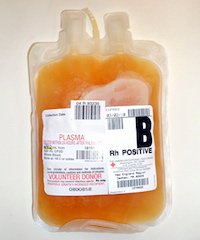
Traumatic Bleeding in Anticoagulated Patients: 5 Other Sources Beyond the Brain
 When a patient is started on anticoagulant therapy, the purpose is to prevent clot formation or propagation. Anticoagulants can improve morbidity and mortality by maintaining cardiac stent patency, reducing the propagation of pulmonary emboli, or preventing formation of intra-cardiac thrombi.1,2 Unfortunately even after minor trauma, these medications can cause major problems. When a patient on clopidogrel is in a motor vehicle collision (MVC) or an elderly patient on warfarin falls out of their bed, the once life-improving therapy becomes potentially life-threatening. It is important for emergency care providers to maintain a high index of suspicion for life-threatening bleeds in all patients on anticoagulation following even minor injuries. The purpose of this discussion is to look beyond the intracranial hemorrhages (ICH) and to consider 5 other sources of bleeding that can occur in anticoagulated patients.

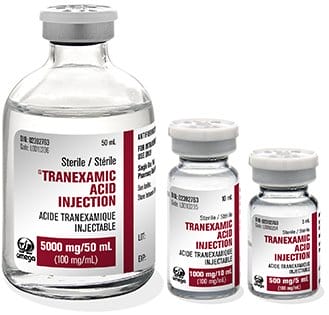

 Bleeding as a chief complaint in the pediatric emergency department is something that many healthcare providers will come across. Some of these children may have inherited bleeding disorders that we must be aware of in order to provide the best care possible. Below is a basic review of hemophilia and what we should know and do in the emergency department.
 Welcome to the first ALiEM Approved Instructional Resources (AIR) Module! In an effort to reward our readers for the reading and learning they are already doing online, we have created an Individual Interactive Instruction (III) opportunity utilizing FOAM resources for US Emergency Medicine residents. For each module, the board curates and scores a list of blogs and podcasts. A quiz is available to complete after each module to obtain residency conference credit. Once completed, your name and institution will be logged into our private Google Drive database, which participating residency program directors can access to provide access.