


Zika Virus: What emergency department providers need to know
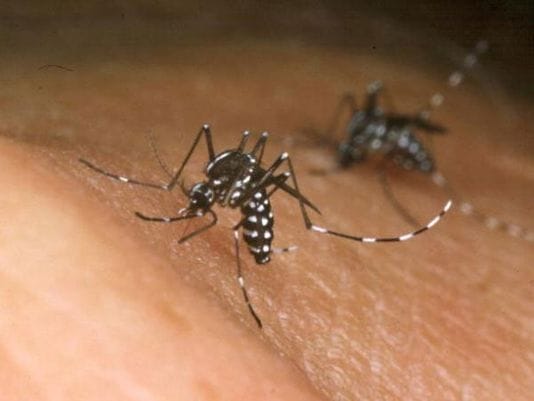 The Zika virus outbreak has recently been put on “Level 1” activation status by the Emergency Operations Center at the U.S. Centers for Disease Control and Prevention (CDC). If you haven’t already thought about this affecting your emergency department, you should starting now. A Level 1 status has been triggered only 3 times in the recent years: Ebola (2014), H1N1 (2009), Hurricane Katrina (2005). The following are some key facts and resources.
 Your triage nurse complains of numerous patients in the waiting room complaining of nausea, retching, and emesis. They ask you “why can’t we have an antiemetic on hand in triage?” Turns out they might have had an effective antiemetic on hand, or rather in their scrub pocket the entire time. They just didn’t know about it yet.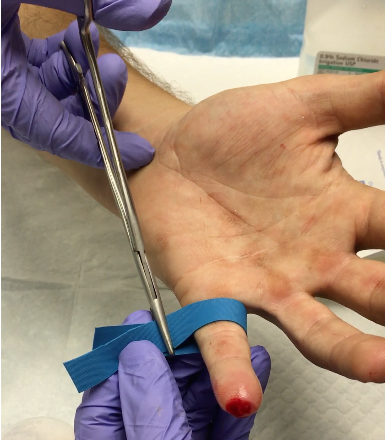

 One of the final common denominators dictating the success or failure of any resuscitative effort, be it a trauma or medical code, is the patient’s acid-base status. In the presence of acidosis, many of the tools at your disposal, including vasopressors, become impotent and the patient’s ability to strike a balance between bleeding and clotting or mounting an appropriate inflammatory response become deranged.
 You are working your evening shift at the pediatrics emergency department, and you walk into a darkened patient room with a distressed mother and her otherwise healthy 10-year old son who is curled in a ball, holding his head and crying. Her mother tells you that the around-the-clock ibuprofen has barely touched his 2-day headache.
 What is Palliative Care? It is specialized medical care focusing on improving the care and quality of life for patients with advanced illness by decreasing suffering. It can be delivered concurrently with curative care. Early identification of patients who are likely to benefit is key. How do you decide whether your patient could benefit from a palliative care consult?