


Trick of the Trade: Ear Irrigation in the Emergency Department
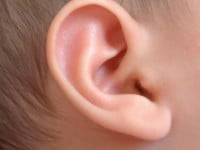 Ear irrigation is an important tool for adult and pediatric patients in the Emergency Department (ED) with ENT complaints. Irrigation can be used to clear ear cerumen, visualize tough-to-see tympanic membranes, and remove foreign bodies. This may reduce the need for subspecialist care and improve the patient’s hearing and quality of life.1 Commercial electronic and mechanical devices are available for irrigation and have been studied. Moulton and Jones presented the improved efficacy of foreign body removal using an electric ear syringe in an (ED) population.2 In this trick of the trade, we present a low cost and effective way of “ear-rigation” taught to us by one of our veteran nurses using easily available tools in the ED.
 The genus




 In cardiac arrest care it is well accepted that time to defibrillation is closely correlated with survival and outcome.
 A 52-year old man presents via EMS with a chief complaint of “racing heartbeat” for one hour. He is placed on a cardiac monitor which shows a heart rate of 185, an ECG reveals supraventricular tachycardia (SVT), and his blood pressure is 143/95 mmHg. As you ask the nurse to procure 6 mg of adenosine, the patient’s eyes grow wide.