Fentanyl: Adding Fuel to the Fire in the North American Opioid Epidemic
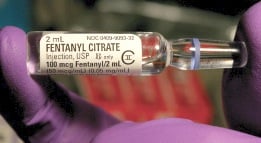 Drug poisoning is now the leading cause of injury death in the United States,1 with opioids accounting for up to 40% of these deaths. In the U.S., prescription opioid death rates have more than quadrupled since 1999, and death rates exceed those due to motor vehicle crashes.2 Similar trends in opioid exposure and death rates in Canada suggest that it is not far behind. Prescriptions for opioid analgesics paralleled a rise in opioid abuse and fatalities between 2002 and 2010, leveling off between 2011 and 2013,3 only to rise again in 2014.4 Among the more frequently misused opioids nationwide are oxycodone and hydrocodone (the most widely prescribed drug in the U.S.) in their various formulations, and methadone, but a “rising star” in the epidemic in many regions is fentanyl.
 Get ready for another round of 60-Second Soapbox! Each episode, one lucky individual gets exactly 1 minute to present their rant-of-choice to the world. Any topic is on the table – clinical, academic, economic, or whatever else may interest an EM-centric audience. We carefully remix your audio to add an extra splash of drama and excitement. Even more exciting, participants get to challenge 3 of their peers to stand on a soapbox of their own!


 We are proud to present CAPSULES module 5: