


5 Tips in Managing Acute Salicylate Poisoning
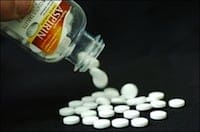
 Salicylate is among the top 25 substances that cause the greatest number of overdose fatalities in the United States. 1 Patients can present with a wide variety of complaints including tinnitus, dyspnea, vomiting, confusion, and coma. Significant toxicity occurs when a large amount of salicylate saturates the body’s protein-binding capacity and leaves free salicylate in the serum. 2 The American College of Medical Toxicology (ACMT) recently published a guidance document on management priorities in salicylate toxicity, and it’s definitely worth a read. 3 While not an official clinical guideline, it highlights some important concepts to consider when working up and treating patients after a significant salicylate exposure, and we’ll review five major concepts here and hopefully answer some questions that may cross your mind on shift.

 Pauses in chest compressions are known to be detrimental to survival in cardiac arrest, so much so that the 2010 American Heart Association (AHA) emphasize high-quality compressions while minimizing interruptions. There have been some studies that now advocate for continuous chest compressions during a defibrillation shock. There have been substantial changes to external defibrillation technology including: