New Year’s Resolution: Let’s Dose Vancomycin Correctly in the ED
 Vancomycin remains one of our workhorse antimicrobials for treating infections caused by methicillin-resistant S. aureus
(MRSA). As the incidence of MRSA infections continues to rise AND we are starting to see increasing minimum inhibitory concentrations (MIC) with vancomycin, it is paramount that we optimize its use, starting in the Emergency Department (ED).

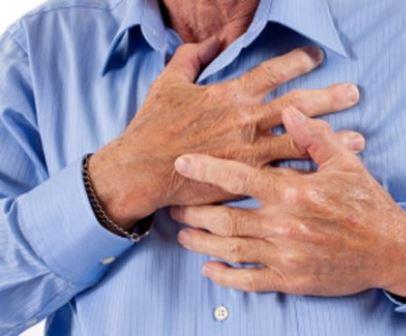

 Carbon monoxide (CO) is an odorless, colorless gas and is one of the most common causes of unintentional poisoning deaths in the United States. It is also one of the most common poisoning presentations to Emergency Departments. Because CO is produced by the incomplete combustion of carbon-containing fuels, the incidence of accidental exposure peaks during the winter months due to increased use of in-door heating sources and reduced ventilation.