


Buprenorphine and Acute Pain Management: The ED Perspective
 Acute pain management in the ED is challenging. For patients on buprenorphine, it can be even more difficult. What if a patient on buprenorphine presents to the ED with a painful condition that requires a short course of opioid therapy?
 What’s the first thing that pops into your head when you see an older woman presenting to the ED from a nursing facility with atraumatic altered mental status? If you’re like me, ‘UTI’ comes quickly to mind. I then banish the thought of a UTI and force myself to go through a worst-first differential diagnosis to exclude, either through the history and clinical assessment or through testing, more dangerous causes. This is a case of a 67-year-old woman with an unusual cause of altered mental status… and a UTI.


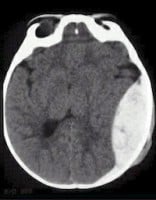
 Intracranial injury is the leading cause of death and disability in children. It can arise after severe, moderate, or minor head injury. Children with minor head injury present the greatest diagnostic dilemma for emergency physicians, as they appear well but a small number will develop intracranial injuries. The question that often arises in the ED is:
 We are very excited this month to bring you our second Global Journal Club, co-hosted by the team here at ALiEM and the editorial board at the Annals of Emergency Medicine. This month, we are changing things up! We will be providing you, our readers, with a clinical vignette and related journal club questions today at the beginning of the week.The discussion will be held asynchronously starting today through Thursday (for 4 days). Respond by blog comment below or tweet (