Should We Admit All Patients with Sternal Fractures?
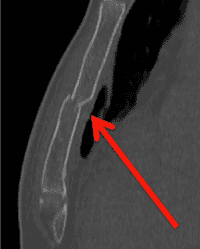 The detection rate of sternal fractures following motor vehicle collisions and blunt trauma to the chest and abdomen has increased over the past decade. The reason for this increase is most likely from the use of seat belts and better imaging modalities such as computed tomography (CT) in trauma patients. I can recall as a resident being told that any patient with a sternal fracture should be admitted to trauma because of the high likelihood of blunt cardiac injury and high mortality rate associated with this injury, but is this always true?



 Emergency physicians (EPs) have been successfully training in and practicing critical care in the ICU for decades, though until recently board certification remained closed to EPs. In the last few years, however, we have seen monumental changes in training opportunities for EPs, including national standardization of training programs, and most importantly, the establishment of three distinct pathways to board certification. Though the details of some of these pathways are still being worked out, much more concrete arrangements have been reached in the last 6 months. If you are an EM resident interested in applying to critical care fellowships, this is what you need to know.
 Chest pain is a common presentation complaint to the emergency department (ED) and has a wide range of etiologies including urgent diagnoses (i.e. acute coronary syndrome (ACS), pulmonary embolism, aortic dissection) and non-urgent diagnoses (i.e. musculoskeletal pain, gastroesophageal reflux disease (GERD), pericarditis). The challenge in the ED is to not only to identify high risk patients but also to identify patients who can be safely discharged home. Specifically, when dealing with ACS, dynamic ECG changes or positive cardiac biomarkers is pretty much a slam dunk admission in most cases, but a lack of these does not completely rule out ACS. Currently, most guidelines and risk stratification scores focus on the identification of high risk ACS patients that would benefit from early aggressive therapies, but what about all the other chest pain patients that don’t have ACS… are they accounted for?