


EM Match Advice: COVID-19 and the 2020-21 Residency Application Season
 With so much appropriate attention focused on getting frontline emergency providers with personal protective equipment in the COVID-19 era, one major overshadowed storyline is the uncertainty of the 2020-21 interview season for medical students applying into Emergency Medicine (EM). COVID-19 has thrown a wrench in the entire application season not only for medical students, but also medical schools, residency programs, and hospitals. The downstream effects of potentially canceling visiting (away) EM rotations and possibly even home EM rotations in the near term are dizzying. How does one obtain enough letters of recommendation? Should I even apply for visiting EM rotations? Fortunately, an experienced panel of EM program directors joins Dr. Michael Gisondi (Stanford) and Dr. Michelle Lin (UCSF) in discussing the thought processes, ongoing nuanced discussions, early available resources, and general mindset for the 2020-11 season.

 Many companies have stepped up, eager to encourage and support those of us on the “front lines.” Here are some discounts and freebies that might help mitigate internal and external stressors that many are facing or will face as we enter a period of incredible uncertainty and fear.
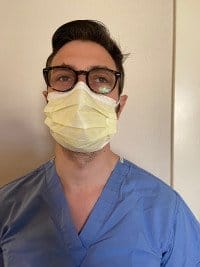 A 35-year-old male working as a healthcare worker presents for evaluation of ear discomfort. The skin behind his ears has been red and irritated since having to wear a surgical face mask with the majority of his patient interactions [1]. He has tried to minimize wearing his mask in the appropriate circumstances, using lotions and emollients, but still has a significant amount of discomfort [2].
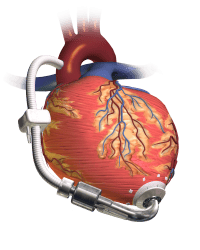 Left ventricular assist devices (LVADs) have moved from being a bridge to a heart transplant to destination therapy for patients with severe heart failure. Although their use in the general public has increased, they still provide a challenge to the emergency medicine (EM) physician. This series aims to cover the basics of how the EM physician approaches the care of these patients.
 Left ventricular assist devices (LVADs) have moved from being a bridge to a heart transplant to destination therapy for patients with severe heart failure. Although their use in the general public has increased, they still provide a challenge to the emergency medicine (EM) physician This series aims to cover the basics of how the EM physician approaches the care of these patients.