


Trick of the Trade: Angiocatheter for manual aspiration of priapism
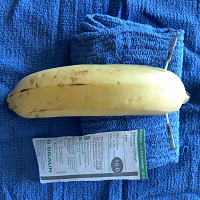
A 25-year-old man presents with 6 hours of penile pain and swelling after recreational penile injection of Trimix (alprostadil, papaverine, and phentolamine). He denies any history of sickle cell disease or penile trauma. On exam, he is in moderate discomfort and has a tumescent penis with a soft glans. You suspect the patient is suffering from ischemic, low-flow priapism. Manual compression and ice application have been attempted with no significant improvement in the patient’s clinical status.





 Heartbreaking patient situations are the backbone of Emergency Medicine. Whether it’s a new cancer diagnosis, telling a family member that their loved one has died, or the creeping dread that a mistake that we’ve made will negatively impact one of our patients, we all experience extraordinary stress in our day-to-day clinical practice. Most clinicians are not tasked with routinely sharing news about the violent, unexpected, and horrific life-changing situations that occur in the emergency department, and yet we are given so few tools to help us manage this firehose of grief. This article is intended to share some of the best practices of grief management with clinicians who are immersed in grief, even if unawares.