


Diagnose on Sight: Swollen gums
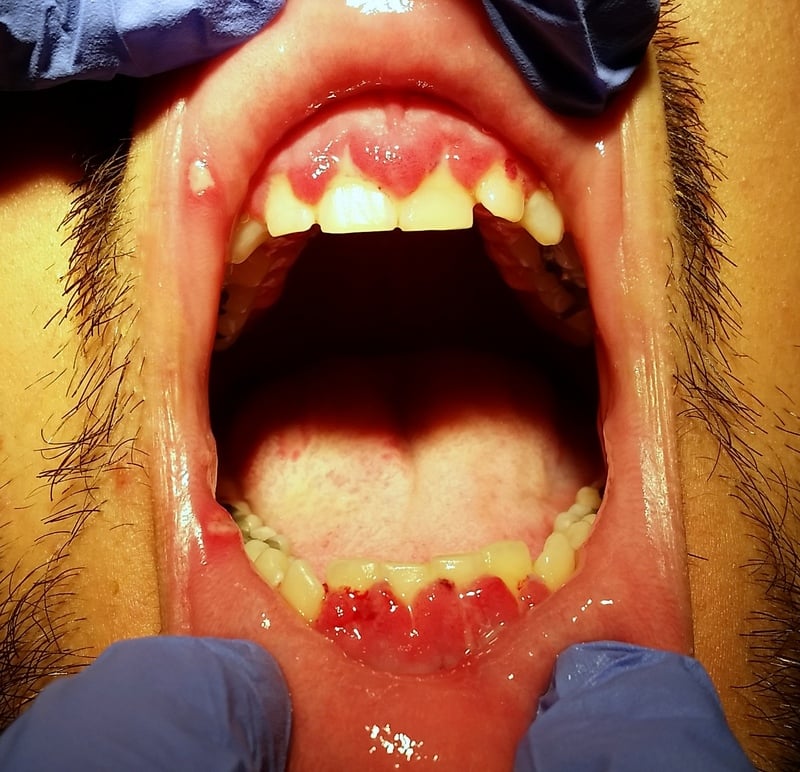 Case: A 19 year old male with no past medical history presented with 4 days of painful oral lesions, swollen gums that bled easily, and fever. His temperature was 38.5C. Which of the following is true regarding this patient’s diagnosis?
 Welcome to the seventh ALiEM
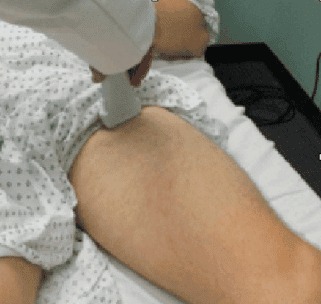 Deep vein thrombosis (DVT) is always a consideration when patients with asymmetric lower extremity swelling. Why is one leg. Two-point focused DVT ultrasonography of the femoral and popliteal veins can be incredibly useful in the Emergency Department when trying to narrow the differential diagnosis. Drs. Margaret Greenwood-Ericksen, Joshua Rempell, and Mike Stone provide a clear, image-based clinical reference tool on this ultrasound technique.
