AIR Series: Cardiology Module, Part 1 (2015)
 There is a phenomenal amount of cardiology content in the FOAMsphere. Accordingly, the CORD testing schedule and our cardiology module has been divided into two parts – Part 1 (ACS) and Part 2 (CHF, Vascular Dissection, and Other). Below we have listed our selection of the 14 highest quality blog posts within the past 12 months (as of July 2015) related to acute coronary syndromes, curated and approved for residency training by the AIR Series Board. In this module we have 6 AIRs and 8 Honorable Mentions. We strive for comprehensiveness by selecting from a broad spectrum of blogs from the top 50 listing per the Social Media Index.
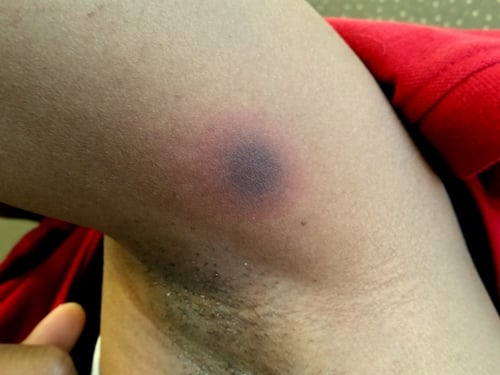
 You are working your evening shift at the pediatrics emergency department, and you walk into a darkened patient room with a distressed mother and her otherwise healthy 10-year old son who is curled in a ball, holding his head and crying. Her mother tells you that the around-the-clock ibuprofen has barely touched his 2-day headache.
 Welcome to another ultrasound-based case, part of the “Ultrasound For The Win!” (#US4TW) Case Series. In this case series, we focus on a real clinical case where bedside ultrasound changed the management or aided in the diagnosis. In this case, a 76-year-old man presents with sudden-onset right-sided vision loss.
 We are excited to announce our new podcast series, 60-Second Soapbox! Each episode, one lucky individual gets exactly 1 whole minute to present their rant-of-choice to the world. Any topic is on the table – clinical, academic, economic, or whatever else may interest an EM-centric audience. Don’t worry if your are microphone-shy. We will carefully remix your audio to add an extra splash of drama and excitement. Even more exciting, participants get to challenge 3 of their peers to stand on a soapbox of their own!