SplintER Series: One Big Bounce

Figure 1. AP and Lateral x-rays of the right knee. Case courtesy of Dr Andrew Dixon, Radiopaedia.org, rID: 16139



Figure 1. AP and Lateral x-rays of the right knee. Case courtesy of Dr Andrew Dixon, Radiopaedia.org, rID: 16139

There are a few unique scenarios when beta-blockers may be indicated for patients in cardiac arrest. Use of esmolol for refractory ventricular fibrillation was summarized in a 2016 PharmERToxGuy post with an accompanying infographic. Another potential use for beta-blockers is in the rare case of a patient with inhalant-induced ventricular dysrhythmias. The term ‘sudden sniffing death’ refers to acute cardiotoxicity associated with inhaling hydrocarbons. Check out this ACMT Toxicology Visual Pearl for more information about the background and diagnosis of inhalant abuse.
It is thought that inhalants causes myocardial sensitization via changes in various cardiac channels (e.g., sodium channels, potassium channels, calcium channels, or gap junctions) leading to prolonged repolarization and conduction [1, 2]. Additionally, chronic inhalant use can lead to structural heart damage. When the above alterations are combined with a sudden increase in catecholamines (e.g., exercise, caught sniffing), a dysrhythmia can develop which is often fatal [2-4].
There are no case reports to support the use beta-blockers to treat inhalant-induced dysrhythmias. However, the case reports below include patients that ingested various hydrocarbons who developed ventricular dysrhythmias and improved following the initiation of beta-blockers. As the adverse cardiac effects should be similar between inhaled and ingested hydrocarbons, we can potentially extrapolate this data to patients with inhalant-induced dysrhythmias.
| Demographics | Agent(s) Ingested | Cardiac Effects | Interventions | Resolution of dysrhythmia following BB? |
|---|---|---|---|---|
| 39 yo M [5] | Trichloroethylene | pVT/VF arrest | Defibrillation, Propranolol bolus and infusion |
Y |
| 70 yo F [6] | Trichloroethylene | Bigeminy, Junctional rhythm | Esmolol bolus and infusion |
Y |
| 23 yo F [7] | Chloral hydrate | VF arrest | Esmolol bolus and infusion |
Y |
| 27 yo M [8] | Chloral hydrate, Loxapine, Fluoxetine | Stable VT | Propranolol bolus and infusion |
Y |
| 3 yo M [9] | Chloral hydrate | Sinus tachycardia, Bigeminy, Trigeminy, NSVT | Esmolol bolus and infusion |
Y |
| 44 yo M [10] | Chloral hydrate | Stable VT | Propranolol bolus, Labetalol infusion |
Y |
BB=beta-blocker; pVT=polymorphic ventricular tachycardia; VT=ventricular tachycardia; VF=ventricular fibrillation; NSVT=non-sustained ventricular tachycardia
Read other articles in the EM Pharm Pearls Series and find previous pearls on the PharmERToxguy site.
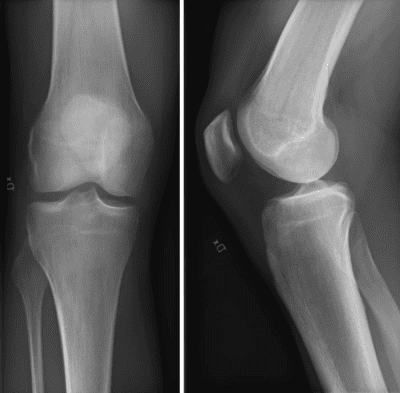
A patient presents to the Emergency Department after sustaining a twisting knee injury while skiing. She felt a pop and was unable to bear weight afterward secondary to pain and a feeling of instability. Shortly after the injury, she noted increased swelling and pain. On examination, she has a moderate effusion and a positive Lachman test. An x-ray was obtained and is shown above (Image 1. Case courtesy of Mikael Häggström, M.D. – Author info – Reusing images, CC0, via Wikimedia Commons).
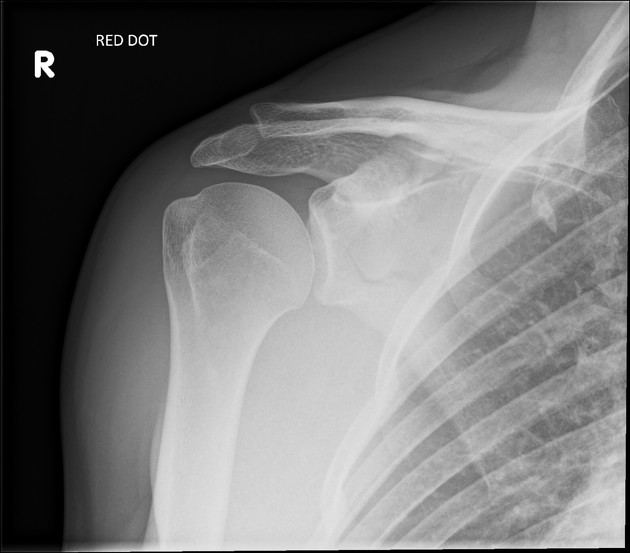
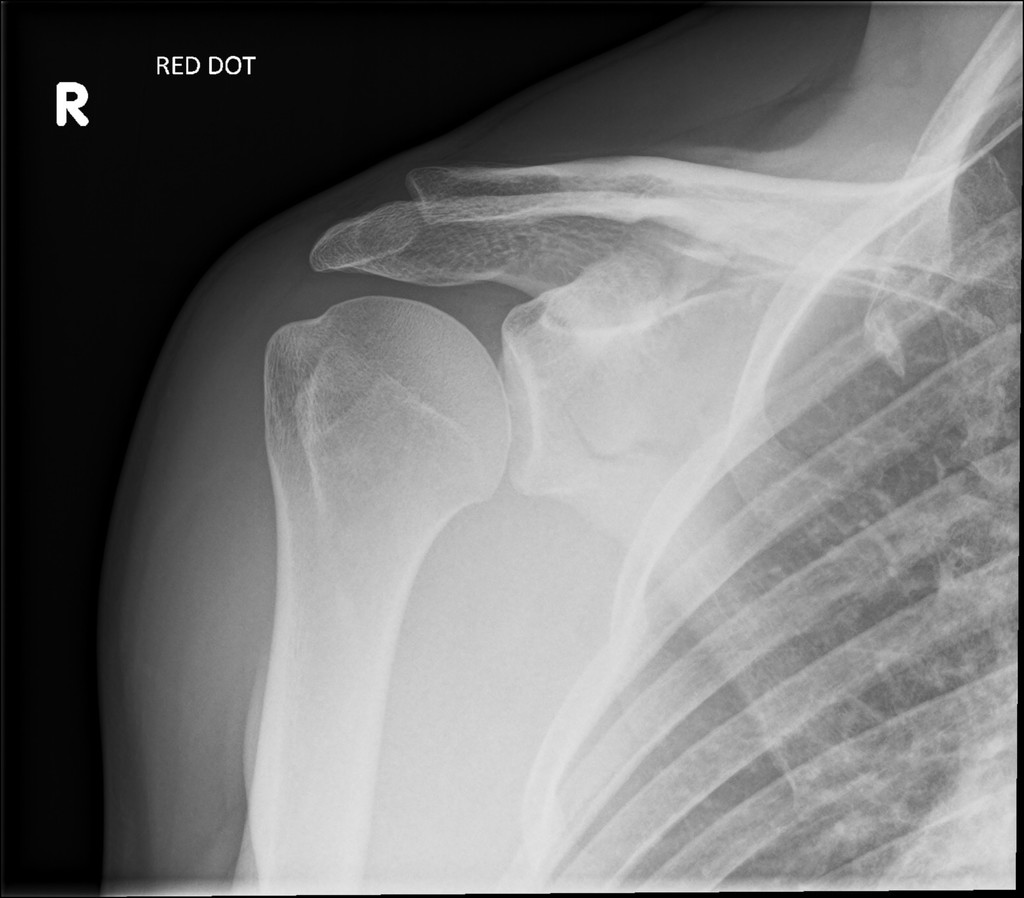
30-year-old male presents to the ED with pain over the right shoulder after being assaulted by a bat. The right arm is held in adduction and has a limited range of motion due to pain. An x-ray of the right shoulder was obtained and is shown above (Figure 1. Case courtesy of Dr. Ian Bickle, Radiopaedia.org, rID: 74640).

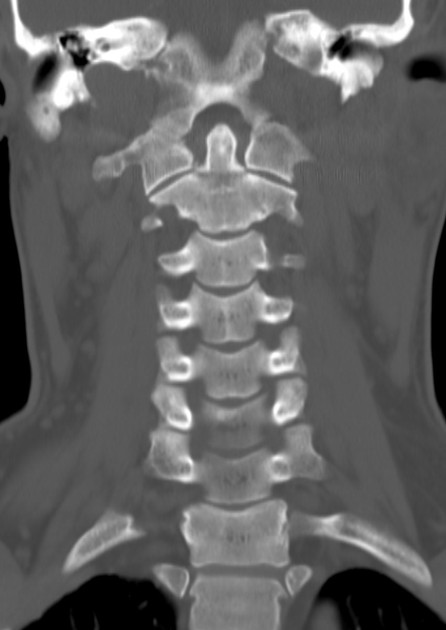
80-year-old male patient brought in by ambulance for a witnessed fall. A cervical collar was placed by EMS because of midline neck pain. The patient is neurologically intact. A CT of the cervical spine was obtained and is shown above (Case courtesy of Dr. Talal F M Abdullah, Radiopaedia.org, rID: 58030).
 A 76-year-old female with a history of HTN, TIA, CAD, left CEA, and CKD presented to the emergency department for evaluation of neck bruising and swelling. The patient stated that the night before, she was eating popcorn and choked on a kernel. She states that she coughed to clear her throat and shortly after she developed swelling and bruising to the left side of her neck, which has progressively gotten worse. The patient has a remote history of left carotid endarterectomy and was concerned that her symptoms could be related to the prior surgery. On examination, she had ecchymosis and a hematoma/mass to the left side of her neck without palpable thrill or bruit. A well-healed CEA scar was noted. A CTA of the neck was obtained to determine the source of the ecchymosis/hematoma. What is the diagnosis?

Image 2. This axial CT angiogram image shows the large left-sided mass with vessels and hemorrhage, which appears to originate from the inferior parotid.
Spontaneous cervical hematoma is an uncommon condition, which can be life-threatening [1]. This first case of spontaneous neck hematoma was described by Capps who observed this condition in a patient with a parathyroid adenoma [2]. Symptoms of neck hematoma include the classic triad named for Capps, which consists of:
The condition can be caused by a variety of etiologies including bleeding from masses, underlying coagulopathies, rupture of aneurysms, and infections [1]. CT angiography is typically the test of choice to evaluate the source and extent of bleeding [3]. Large hematomas can lead to airway compromise and require airway and surgical/IR intervention. Smaller, stable hematomas may be observed and can be self-limited. The underlying etiology of the hematoma should be sought and treated.
The hematoma and ecchymosis resolved over time without intervention. The patient underwent ultrasound-guided lymph node biopsy by interventional radiology. Pathology revealed an aggressive double expressor diffuse large B-Cell lymphoma. A pet scan revealed lymphatic involvement on both sides of the diaphragm. The patient was counseled on treatment options including chemotherapy and after discussion palliative radiation was pursued. Ultimately, the patient transitioned to hospice care.
Want more visual stimulation? Check out the Diagnose on Sight archives!
 There you are, middle of the night and EMS just brought you one of the sickest of the sick: a septic-looking, chronically ill-appearing, frail, and malnourished patient with low blood pressures. They need vascular access for fluids, antibiotics, and possibly even vasopressors. The patient arrives with only a 22-gauge peripheral IV in the hand. You ask for two large bore IVs. But unfortunately, your best nurses and techs can’t find a vein, and their initial attempts are unsuccessful. Do you move right towards ultrasound-guided placement, intraosseous needle, or a central line? What if the patient only needs a fluid bolus, antibiotics, and admission to the floor?
The tourniquet-infusion technique provides a method to increase the chance of a successfully placed larger bore peripheral IV in the volume-depleted patient.
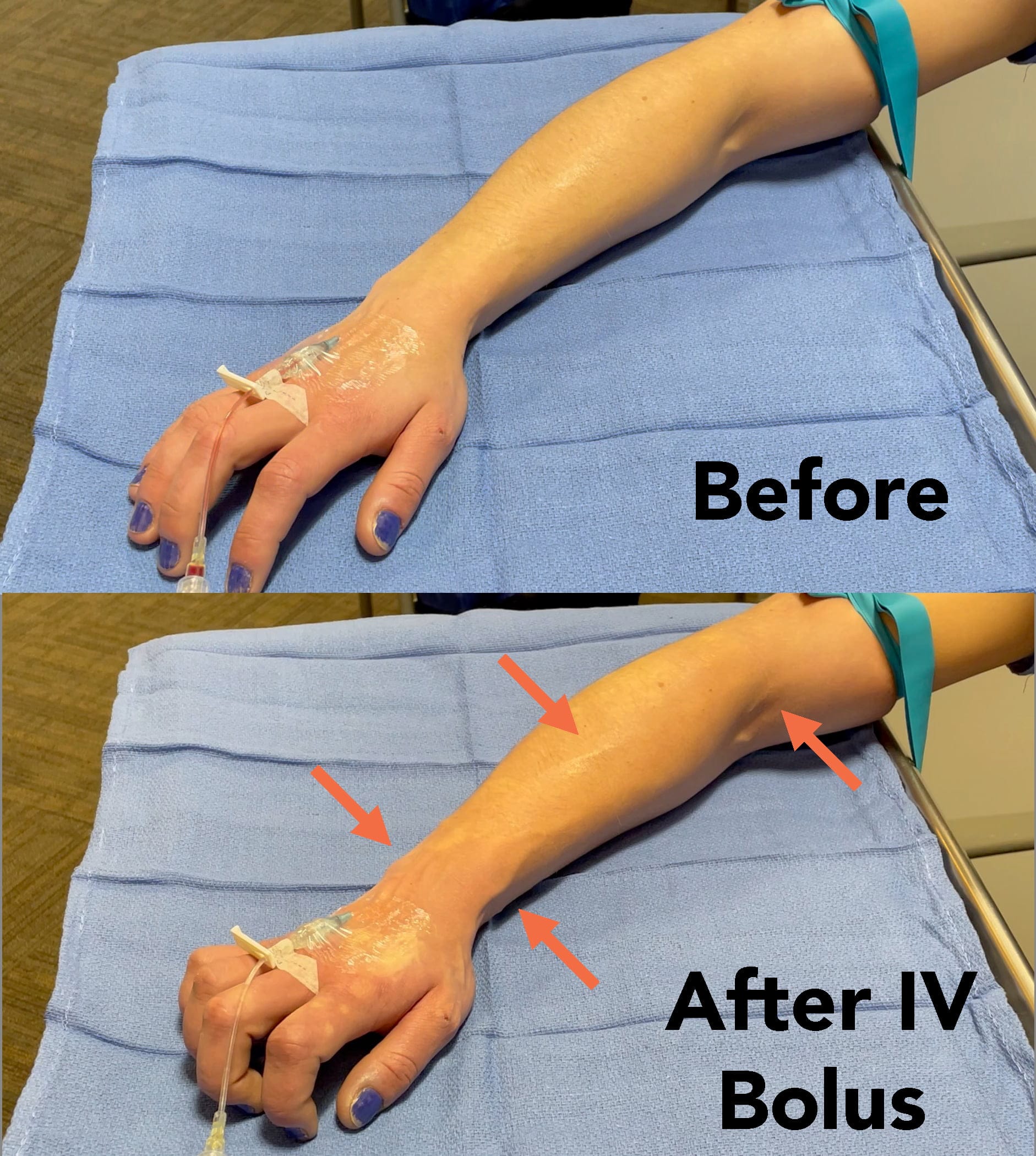
Tourniquet Infusion Technique: After applying a tourniquet and instillation of an IV bolus of fluids through a small distal 22-gauge IV, large veins are more visible for a second larger-bore IV
This technique has been described in the literature for decades [1-3], and has been anecdotally successful in clinical practice. Its methodology capitalizes on pre-existing or easily-placed distal small gauge access (i.e., a 22g IV in the hand) as a stepping stone to larger venous cannulation.
Quinn and Sheikh investigated the employment of this technique for 22 adult patients with an acute abdomen who had been referred from the ED in hypovolemic shock. A peripheral IV had not been obtained in any of these patients using standard cannulation methods. By employing this tourniquet-infusion technique to upsize the IVs, they were able to successfully obtain adequate access for resuscitation in 15 of the 22 patients (68%). They noted no complications secondary to this technique. The authors noted that of the other 7 patients in this small study, 2 died and 5 required ultrasound-guided IJ venous line placement. In total, 15 patients were potentially spared unnecessary central venous catheterization. This technique is a simple, quick, and effective way of establishing a more appropriate line for resuscitation of sicker patients [1].