ACMT Toxicology Visual Pearls: Perineal Skin Burns

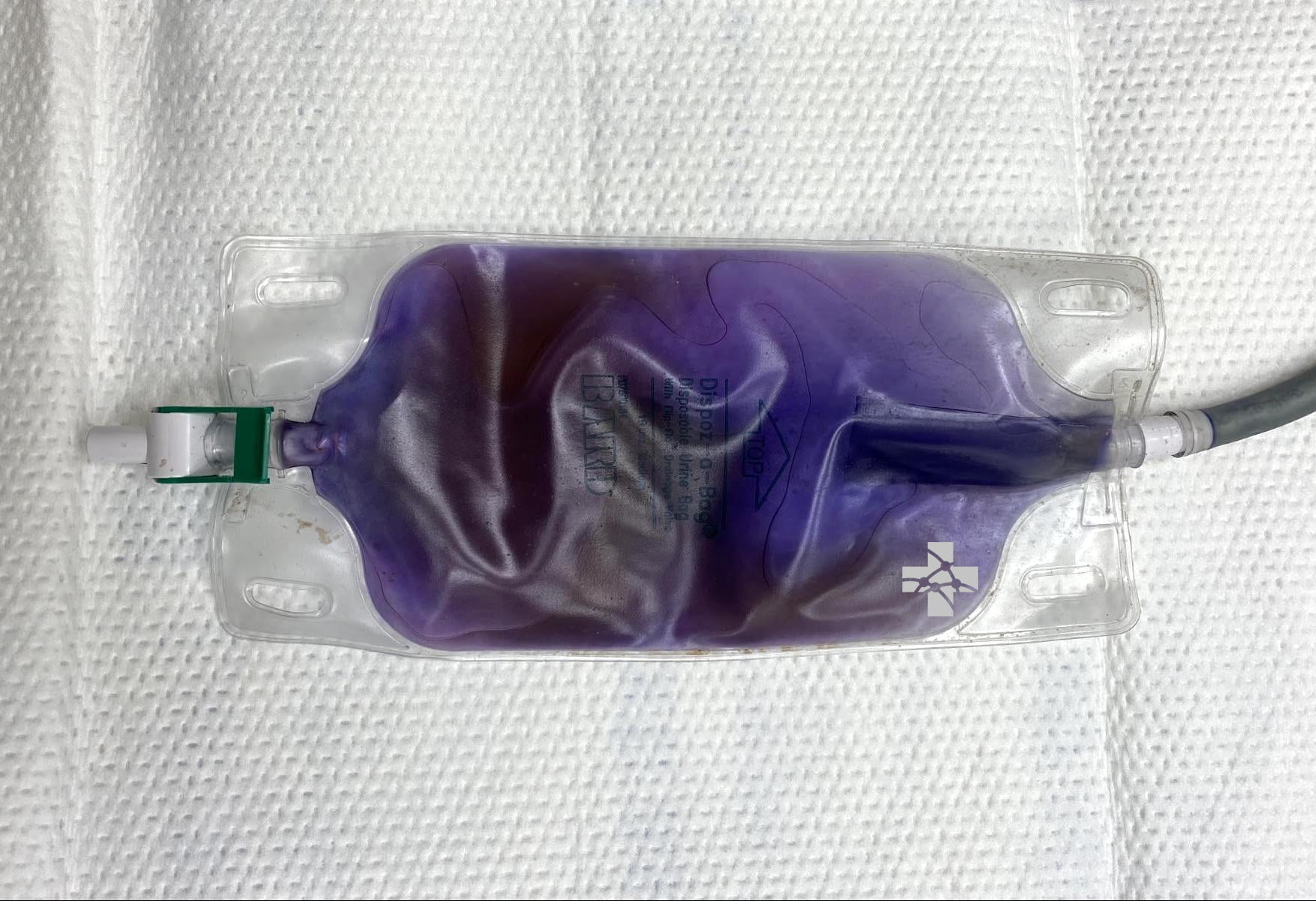
What toxicologic exposure could cause this finding in a 3-year-old child?
- Ibuprofen
- Miralax
- Pseudoephedrine
- Senna

What toxicologic exposure could cause this finding in a 3-year-old child?
Bedside ultrasound (US) often plays a crucial role in medical and trauma resuscitations in the emergency department (ED) [1]. Performing and interpreting bedside US studies such as the Extended Focused Assessment with Sonography for Trauma (E-FAST) during traumas or echocardiography during medical resuscitations are key skills for emergency medicine residents to learn during their training and adopt into clinical practice [2]. During trauma resuscitations timely and efficient dissemination of critical information is paramount. Information obtained via bedside US can be critical in determining further clinical actions (need for urgent thoracostomy for a pneumothorax, need for urgent exploratory laparotomy in a hypotensive patient with free fluid in the abdomen, etc.) through shared decision making between ED and trauma teams [3]. Information obtained via bedside US, however, is often difficult to convey during resuscitations given crowded rooms, simultaneous interventions, and limited viewing of the US screen. For ED and trauma providers wishing to better understand the utility of bedside US during resuscitations and how this powerful tool can change clinical management, a clearly visualized representation of what is displayed on the US screen could provide an ideal learning opportunity.
Fiona is a 6 year old female who presents to your emergency department after falling onto her left hand while racing on the playground. X-ray of the left upper extremity reveals a distal radius fracture with minimal displacement and angulation. You plan to place her arm in a splint and arrange for close orthopedic follow-up. The only problem: Fiona is in a lot of pain, especially with any manipulation of her arm, and Dad is worried that she will not be able to tolerate having a splint placed. You consider reaching for an intranasal medication to help Fiona feel more comfortable and to place the splint in a quick, efficient manner.

In order to enhance emergency medicine (EM) residents’ knowledge of toxicology core content, we previously created an immersive escape room experience complete with team-based puzzle solving in a geographical maze to find an antidote. The subsequent COVID-19 pandemic and physical distancing guidelines resulted in canceled in-person EM conferences, thereby requiring a rapid adaptation to virtual formats [1-4]. Our toxicology division sought a novel method of engaging learners with toxicology core content remotely.
A 24-year-old male presents with progressively worsening left groin pain for six weeks after he began training for a marathon. He states he had x-rays done by his PCP that were negative four weeks ago and was diagnosed with a groin strain. X-rays were obtained and featured to the right.