


AIR Series: Trauma Module (2017)
 Welcome to the Trauma Module! After carefully reviewing all relevant posts from the top 50 sites of the Social Media Index the ALiEM AIR Team is proud to present the highest quality procedure content. Below we have listed our selection of the 21 highest quality blog posts within the past 12 months (as of September 2016) related to Trauma emergencies, curated and approved for residency training by the AIR Series Board. More specifically in this module, we identified 5 AIRs and 16 Honorable Mentions. We recommend programs give 7 hours (about 20 minutes per article) of III credit for this module.
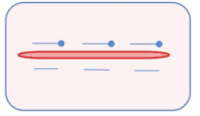 Laceration repair and suturing are foundational skills for the Emergency Department. This pocket card serves as a quick reference guide for clinicians, and provides a much-needed update and design upgrade from the
  Just as in adults, pediatric sepsis is a complex topic with continued research. In the United States, there are an estimated 75,000 cases per year of pediatric severe sepsis with an in-hospital mortality of 5-10%.
 Epistaxis is a common presentation to the emergency department (ED)
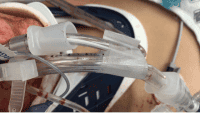 We have all been in the situation: an intubated patient needs an orogastric (OG) tube and no one has been able to place it successfully. Unfortunately, we typically find out about this situation after several failed attempts, when the patient is bleeding and/or the anatomy is distorted. It may coil in the mouth or esophagus. Here I present a novel technique to rapidly place an OG tube within seconds.
 Welcome to another ultrasound-based case, part of the “Ultrasound For The Win!” (
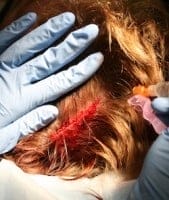 Most children who come into the Emergency Department present with pain or experience pain during their ED stay.