Strategies for Surviving the IV Fluid Shortage: Antibiotic IV to PO Conversions & First Dose via IV Push
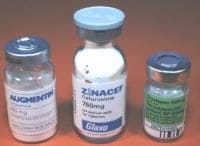 Hurricane Maria ravaged Puerto Rico almost 3 months ago, destroying factories that manufacture and distribute medications and related supplies. Healthcare facilities across the nation are now experiencing a critical shortage of small-volume intravenous (IV) fluids, which impacts the supply of IV antimicrobials. With no end in sight, ED providers can protect the quality of patient care by considering 2 strategies: IV to PO conversion and first-dose antimicrobials via IV push.
(more…)
 Emergency Medicine has made significant contributions to the proliferation of Observation Medicine, an attractive alternative to admission for patients with low- and moderate-risk chest pain. Selecting the right patient, identifying appropriate interventions, and documenting appropriately are just some of the challenges discussed in the latest
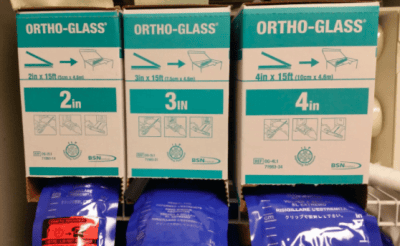
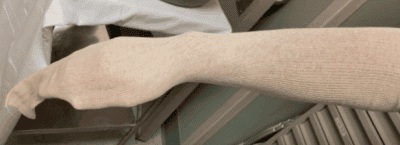





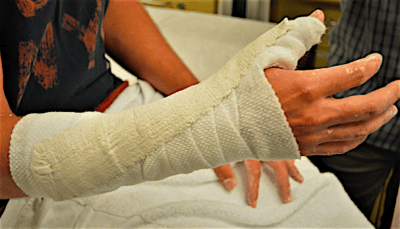
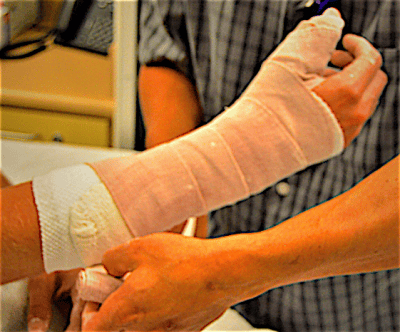

 A 3 year-old boy presents with a deep laceration of the distal phalanx, through the nail bed, after slamming his fingers in a car door. He is crying, anxious, and uncooperative. How do you make this situation easier to evaluate and repair?
 Welcome to the Neurology AIR-Pro Module. Below we have listed our selection of the 7 highest quality blog posts related to 4 advanced level questions on neurology topics posed, curated, and approved for residency training by the AIR-Pro Series Board. The blogs relate to the following questions: