


Trick of the Trade: Paraphimosis – Pour Some Sugar On Me
 Paraphimosis occurs when a retracted foreskin can’t be reduced back over the glans of the penis. Risk factors for paraphimosis include scarring, vigorous sexual activity, chronic balanoposthitis, and forgetting to replace the foreskin after catheterization or manipulation.
Paraphimosis can be a urological emergency as the tight ring formed by the foreskin can cause ischemia to the tip of the penis and eventually gangrene. Timely reduction is of high importance. Treatment involves gentle compression of the glans and gradual manual foreskin retraction.1 Unfortunately, as time goes on, more swelling occurs making traditional reduction techniques more difficult.
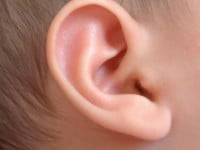 Ear irrigation is an important tool for adult and pediatric patients in the Emergency Department (ED) with ENT complaints. Irrigation can be used to clear ear cerumen, visualize tough-to-see tympanic membranes, and remove foreign bodies. This may reduce the need for subspecialist care and improve the patient’s hearing and quality of life.


 The genus