


Ultrasound For The Win! – 63M with an Erythematous Abdomen #US4TW
 Welcome to another ultrasound-based case, part of the “Ultrasound For The Win!” (#US4TW) Case Series. In this case series, we focus on a real clinical case where bedside ultrasound changed the management or aided in the diagnosis. In this case, a 63-year-old man presents with a painful, warm, and erythematous area of his abdomen.

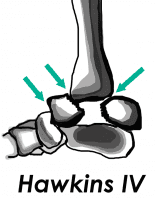 Orthopedic fractures and injuries are commonly managed in the emergency department. Often a quick bedside reference card is needed to remind the clinician about the acute management and follow-up instructions. Thanks to the efforts of a 2015-16
 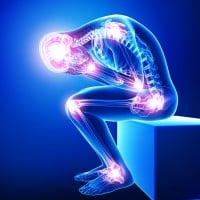 Pain is the most common reason people seek care in Emergency Departments. In addition to diagnosing the cause of the pain, a major goal of emergency physicians (EPs) is to relieve pain. However, medications that treat pain can have their own set of problems and side effects. The risks of treatment are particularly pronounced in older adults, who are often more sensitive to the sedating effects of medications, and are more prone to side effects such as renal failure. EPs frequently have to find the balance between controlling pain and preventing side effects. Untreated pain has large personal, emotional, and financial costs, and more effective, multi-modal pain management can help reduce the burden that acute and chronic pain place on patients.
 In cardiac arrest care it is well accepted that time to defibrillation is closely correlated with survival and outcome.