


AIR Series: Immunology 2017
 Welcome to the Immunology Module! After carefully reviewing all relevant posts from the top 50 sites of the Social Media Index, the ALiEM AIR Team is proud to present the highest quality online immunology content. Below we have listed our selection of the 4 highest quality blog posts within the past 12 months (as of July 2017) related to immunology emergencies. These are curated and approved for residency training by the AIR Series Board. We have identified 0 AIRs and 4 Honorable Mentions. We recommend programs give 1 hour (about 15 minutes per article) of III credit for this module.
 We are proud to present CAPSULES Module 9: Hospital Acquired Pneumonia (HAP), now published on
  Atraumatic low back pain is a common complaint in the ED. For most patients, a thorough history and physical exam is sufficient to exonerate causes that threaten life or neurological function. For a small subset, however, MRI may be required. ALiEM has partnered with the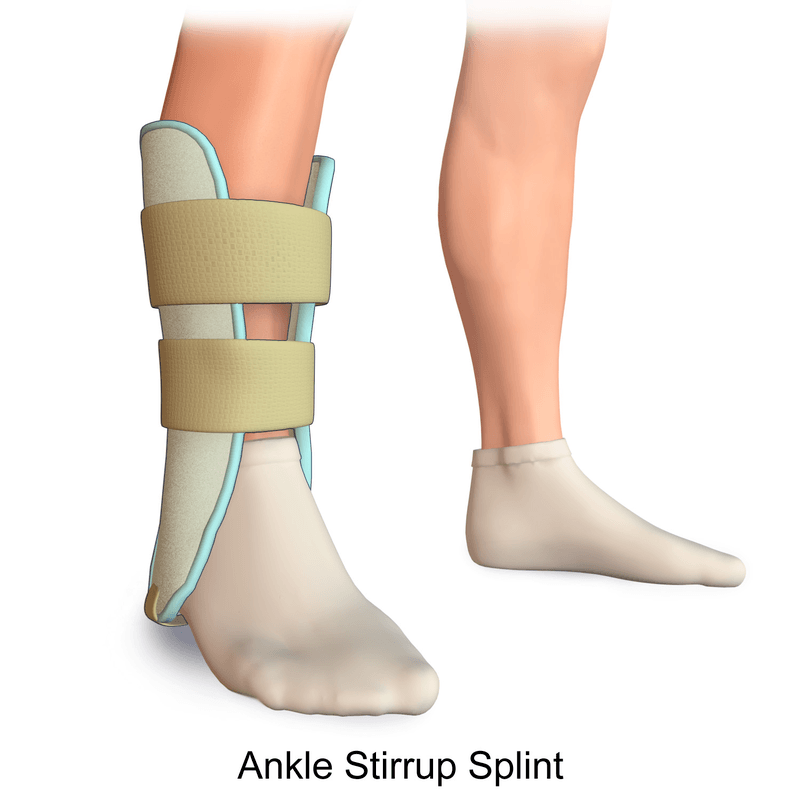

 A young man is brought into an emergency department after an electric lawn edger cut through his work boot and into the dorsum of his right foot. He has a clearly contaminated 5 cm x 1 cm laceration on the lateral side, and an underlying tendon is exposed. Sensation is diminished around the wound and he is unable to actively extend his 5th toe past a neutral position. How would you diagnose and repair his extensor tendon injury?
 Robust and comprehensive studies now support specific management guidelines for patients presenting with different intracranial hemorrhages (ICH). From the Emergency Department perspective, the primary dilemmas involve specific blood pressure goals and whether seizure prophylaxis with phenytoin is necessary. The