SAEM Clinical Images Series: Unidentified Intrauterine Object

IUP

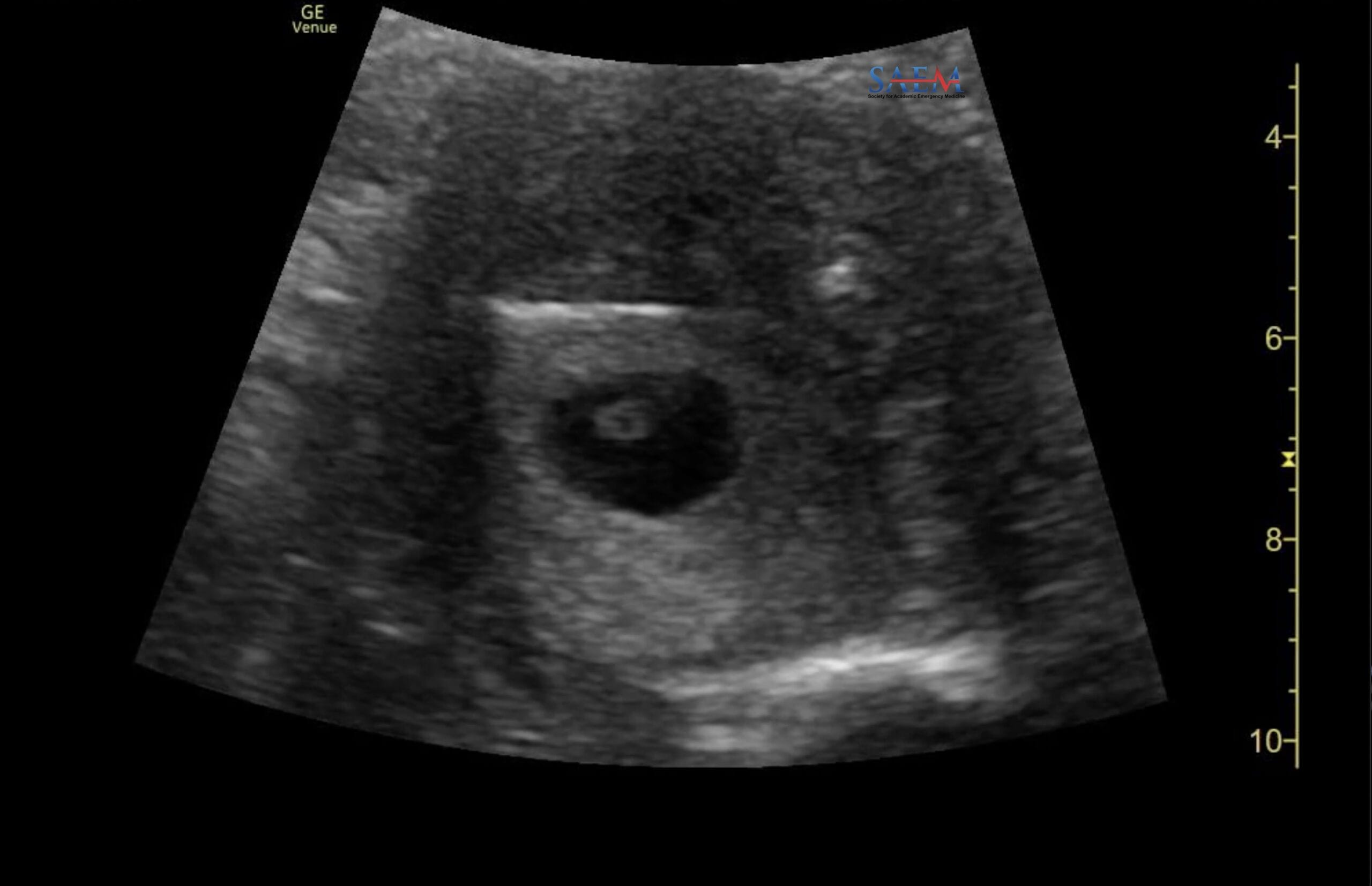
A 31-year-old female G3P2 presented to the emergency department with vaginal spotting for one week and worsening lower abdominal cramping. She tested positive on a home pregnancy test one day prior to presentation. On the day of presentation, she passed a small blood clot and bled through one pad. She had not yet seen an OB for this pregnancy. Her last menstrual period was one month and three days prior. The current pregnancy is undesired. She denied fevers, chills, urinary symptoms, lightheadedness, palpitations, shortness of breath, nausea, or vomiting.

Vitals: BP 95/55; HR 75; Temp 98.4°F; Resp 16; SpO2 100% on room air

Abdomen: Soft; tender to palpation in the suprapubic region, no guarding or rebound tenderness

GU: Scant blood in the vaginal canal, no clots or tissue; os closed, no adnexal tenderness, no cervical motion tenderness

bHCG: 36,966

Rh Factor: Positive

Hgb: 9.2

Ectopic pregnancy needs to be ruled out. This patient has vaginal bleeding, a positive pregnancy test, and abdominal pain. She has not established care with an OB provider and has not had a confirmed intrauterine pregnancy. Specific ultrasound findings for an ectopic pregnancy include a gestational sac with a yolk sac outside of the uterus. Findings suggestive of an ectopic pregnancy include complex adnexal masses, free fluid with debris (suggestive of rupture), and an empty gestational sac within an adnexal mass.

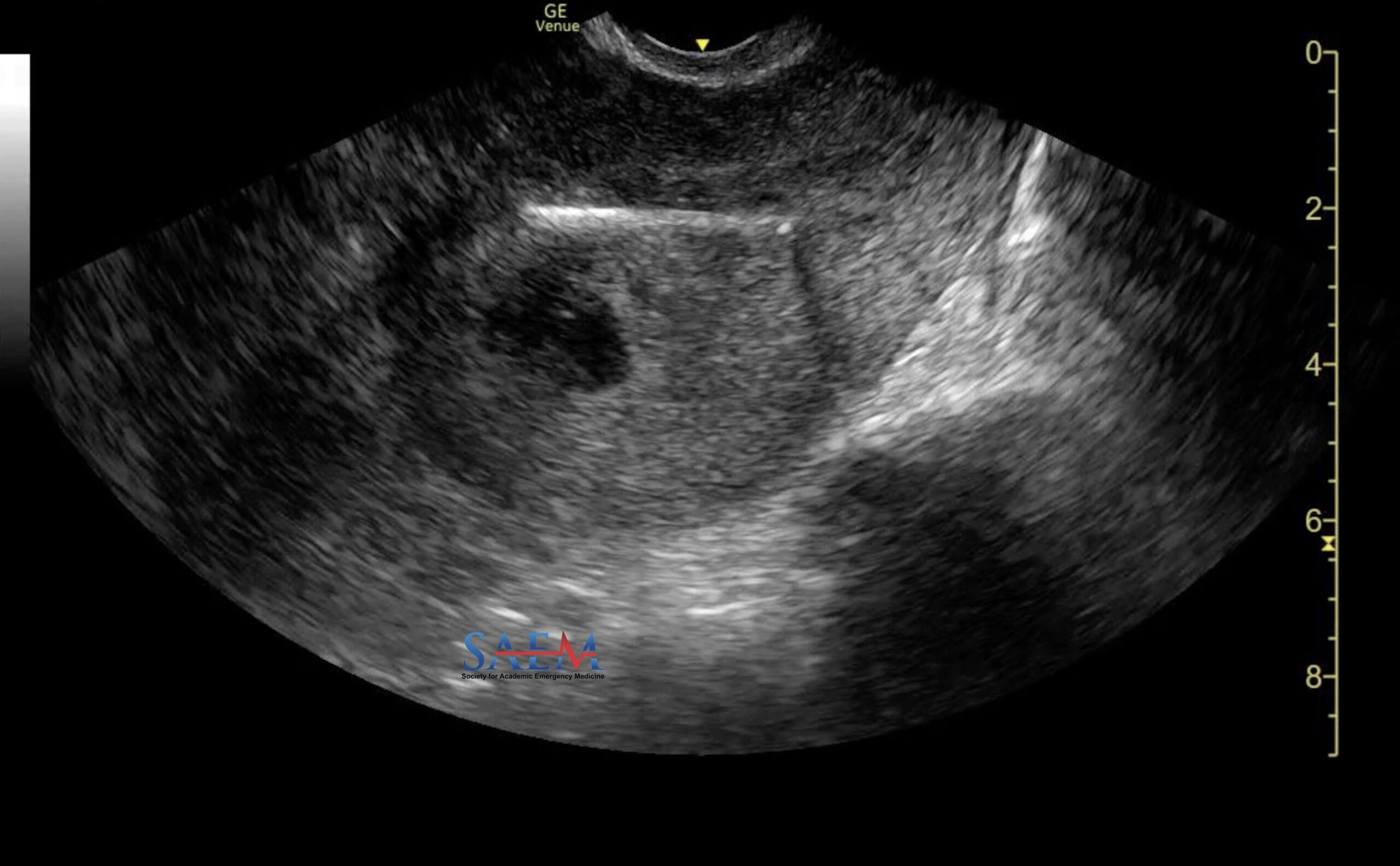
Yes, this is a viable intrauterine pregnancy (IUP). Confirmation can be done with transabdominal ultrasound but in very early pregnancy may require a transvaginal ultrasound. Findings needed to confirm an IUP include a gestational sac containing a yolk sac within a thickened myometrium. The hyperechoic structure seen on transabdominal and transvaginal ultrasounds for this patient is an intra-uterine device (IUD) that is in place. The risk of pregnancy with an IUD in place is <1%; according to a database of 18 million hospital deliveries, the reports of retained IUD at birth was 12 per 100,000 births. For pregnancies with an IUD in place, the rate of ectopic pregnancy is higher. There is also a higher risk of maternal infection, miscarriage, preterm premature rupture of membranes, preterm birth, and intrauterine fetal demise. For desired pregnancies, if the strings are visible, the IUD is removed as soon as possible and a single dose of azithromycin is given due to increased risk of infection during pregnancy. There is limited evidence to guide management for desired pregnancies when strings are not visible. One option is hysteroscopic removal, although this increases the risk of pregnancy loss. More than 50% of pregnancies with in situ IUDs were found to end in spontaneous abortion.

Take-Home Points

  • A definite IUP requires an intrauterine gestational sac with yolk sac and/or embryo (with or without cardiac activity).
  • Pregnancy with an IUD is extremely rare and increases the risk of ectopic pregnancy, maternal infection, miscarriage, PPROM, preterm birth, and fetal demise.
  • Management for desired pregnancies with IUDs in place when IUD strings are visible consists of early IUD removal with a single dose of prophylactic antibiotics.

  • ACOG Practice Bulletin No. 121: Long-acting reversible contraception: Implants and intrauterine devices. Obstet Gynecol. 2011 Jul;118(1):184-196. doi: 10.1097/ AOG.0b013e318227f05e. PMID: 21691183.
  • Ganer H, Levy A, Ohel I, Sheiner E. Pregnancy outcome in women with an intrauterine contraceptive device. Am J Obstet Gynecol. 2009 Oct;201(4):381.e1-5. doi: 10.1016/j.ajog.2009.06.031. Epub 2009 Aug 29. PMID: 19716537.
  • Roline, C.E., Heegaard, W.G. & Anderson, K.S. Early pregnancy with an intrauterine device in place. Crit Ultrasound J 3, 91–92 (2011). https://doi.org/10.1007/s13089-011-0068-1

By |2024-09-28T21:27:46-07:00Oct 4, 2024|Ob/Gyn, SAEM Clinical Images, Ultrasound|

Diagnosis on Sight: “Stabbing Belly Pain”

A 24-year-old male with a history of microscopic hematuria presented to the emergency department (ED) with left lower quadrant abdominal pain. His pain started about two weeks ago and has been intermittent. He describes the pain as stabbing. He decided to come to the ED today because of the persistent nature of the pain. He denies chest pain, cough, shortness of breath, fevers, nausea, vomiting, diarrhea, constipation, rectal bleeding, dysuria, and increased urinary frequency. His exam revealed a well-appearing male in no acute distress. His abdomen was soft with left lower quadrant tenderness on palpation but no rebound or guarding. A CT Abdomen/Pelvis with IV contrast was obtained with the following images:

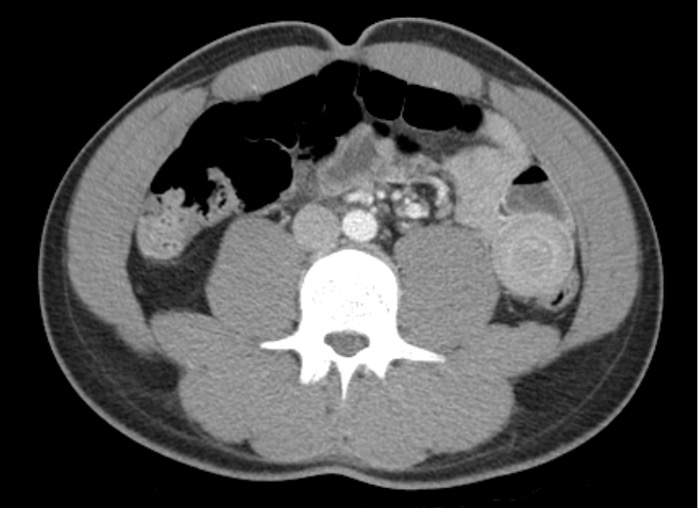
Axial view.

Axial View

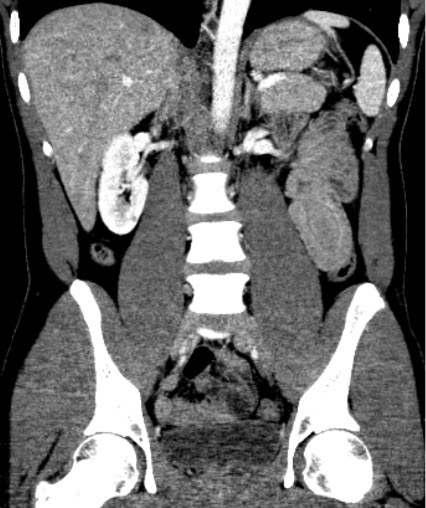
Coronal View

What is the diagnosis?

Intussusception

Explanation:

Intussusception is a telescoping of a proximal segment of the GI tract into the lumen of the adjacent distal segment of the GI tract.

The axial image of the left side of the abdomen shows a dilated small bowel loop with a target-like appearance, typical of intussusception.  Coronal imaging shows that the intussusception is approximately 4.5 cm long.

Intestinal intussusception is classically a diagnosis associated with childhood. Adult cases of intussusception are quite rare and only account for about 5% of all cases [1]. Only 1-5% of all cases of bowel obstructions are secondary to adult intussusception [1-2].

Etiologies of adult intussusception include [2]:

  • Inflammatory bowel disease
  • Adhesions due to past surgeries
  • Meckel’s diverticulum
  • Benign tumors
  • Malignant tumors
  • Iatrogenic (e.g., intestinal tubes, feeding tubes, gastric surgery)
  • Idiopathic (8-20% of cases)

CT Abdomen/Pelvis is the diagnostic modality of choice [3].

Treatment typically involves surgery with surgical resection. The possibility of a malignant lesion also needs to be assessed.

Case Conclusion:

Surgery was consulted.  The patient’s pain was resolved when they saw the patient in the emergency department.  Therefore, the surgeon did not believe that the patient needed urgent surgery.  However, surgery did recommend a fluoroscopic small bowel series for further evaluation, which ultimately came back unremarkable.  Subsequently, the surgeon’s recommendation was to discharge the patient home with a plan for an outpatient colonoscopy to assess for malignancy.  The colonoscopy was completed only a few days later which only revealed benign polyps.

Want more visual stimulation? Check out the Diagnosis on Sight archives!

References

  1. Marinis A, Yiallourou A, Samanides L, Dafnios N, Anastasopoulos G, Vassiliou I, Theodosopoulos T. Intussusception of the bowel in adults: a review. World J Gastroenterol. 2009;15(4):407.  PMID 19152443.
  2. Zubaidi A, Al-Saif F, Silverman R. Adult Intussusception: A Retrospective Review. Dis Colon Rectum. 2006 Oct;49(10):1546-51. PMID 16990978.
  3. Azar T, Berger DL. Adult intussusception. Ann Surg. 1997;226:134–138.  PMID 9296505.

SAEM Clinical Images Series: An Unusual Foreign Body

vp shunt

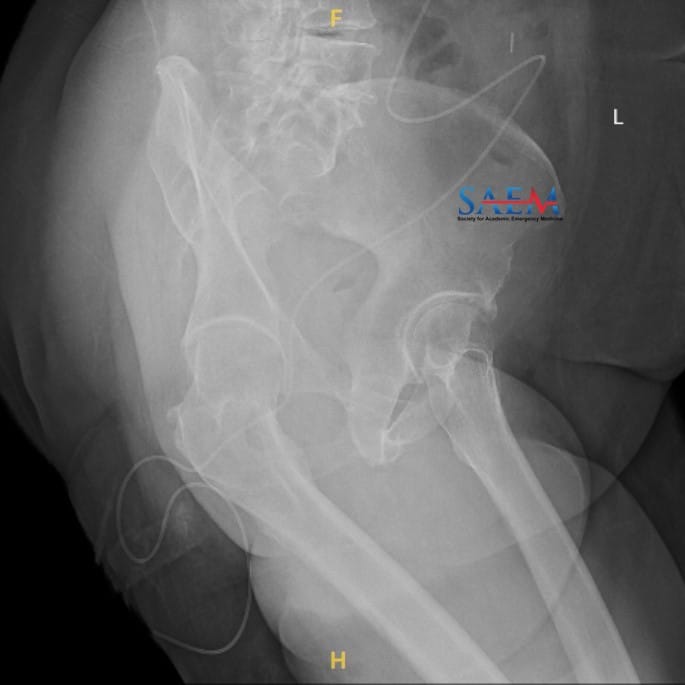
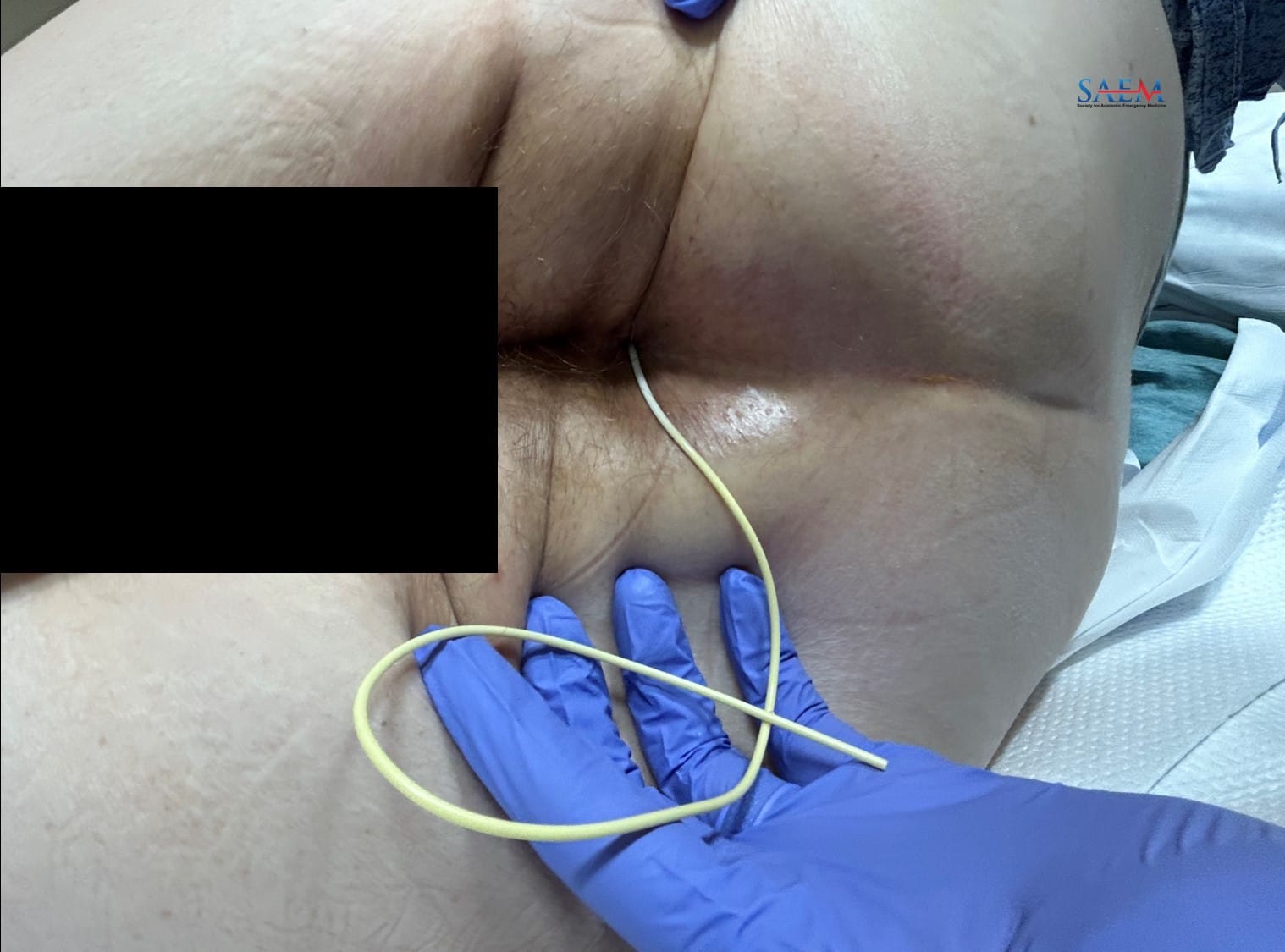
A 61-year-old female with a past medical history of hypertension, hyperlipidemia, type 2 diabetes, and normal pressure hydrocephalus s/p VP shunt (last revision nine months ago) presented to the Emergency Department (ED) for evaluation after noticing a “string” coming out of her anus today. Associated symptoms included nausea and a mild headache for one day, and one episode of vomiting prior to arrival. The patient denied abdominal pain, dizziness, fever, chills, diarrhea, and constipation. She had no other complaints on a complete review of systems. Past surgical history was significant for laparoscopic ventral hernia repair with mesh and lysis of adhesions (three years ago), as well as prior appendectomy, cholecystectomy, c-section, and right nephrectomy.

Vitals: Temp 98.4°F (36.9°C); BP 110/56; HR 64; RR 16; SpO2 100%

General: No acute distress, well appearing.

Neck: Supple, non-tender, no meningismus, full and painless range of motion.

Abdomen: Soft, nontender, nondistended. No peritoneal signs.

Neuro: Awake, alert and oriented x3, no focal neurologic deficits.

Rectum: Narrow lumen tube-like structure protruding from anus. Soft stool present at anus with no blood or melena. Non-tender rectal exam.

Complete Blood Count (CBC): No leukocytosis, no anemia

Comprehensive Metabolic Panel (CMP): Within normal limits

Ventriculoperitoneal shunt erosion into the intestinal tract

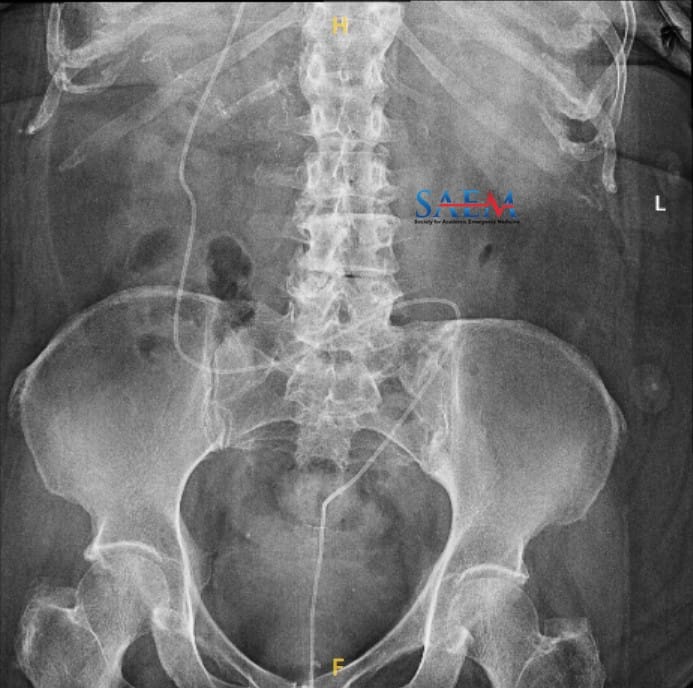
Diagnosis can be established with abdominal imaging including VP Shuntogram X-ray series. A CT abdomen/pelvis would also be confirmatory imaging while assisting in ruling out other intra-abdominal complications such as bowel perforation, abscesses or other diseases.
Broad-spectrum empiric antibiotics with CNS coverage should be started for treatment of presumed intra-abdominal, bloodstream, and/or CNS infection. General surgery and neurosurgery should be consulted emergently for evaluation. Bloodwork and a full infectious workup including blood cultures should be done. CSF cultures should be considered as well, in consultation with a neurosurgeon. Patients are at high risk of bacterial spread to the abdomen or retrograde spread up the ventriculoperitoneal shunt leading to peritonitis, peritoneal abscess, ventriculitis, meningitis, or sepsis. Further indicated invasive/surgical interventions should be deferred to general surgery and neurosurgery consultants. Our patient had a confirmatory CT abdomen/pelvis showing the VP shunt catheter perforation into the sigmoid colon and exiting through the rectum. The patient was started on vancomycin, cefepime, and flagyl. General surgery and neurosurgery were consulted and the patient was taken the same day to the OR for laparoscopy and externalization of VP shunt from bowel.

Take-Home Points

  • Bowel perforation is a rare but serious complication of ventriculoperitoneal shunts.
  • Diagnosis should be considered even in patients who present with no meningeal or peritonitic signs.
  • Imaging should be obtained to confirm diagnosis, and broad-spectrum antibiotics with CNS coverage should be started early.
  • General surgery and neurosurgery should be consulted emergently for further operative interventions.

  • Paff, M, Alexandru-Abrams, D, Muhonen, M, Loudon, W. (2018). Ventriculoperitoneal shunt complications: A review. Interdisciplinary Neurosurgery, 13, 66-70.
  • Bales J, Morton RP, Airhart N, Flum D, Avellino AM. Transanal presentation of a distal ventriculoperitoneal shunt catheter: Management of bowel perforation without laparotomy. Surg Neurol Int. 2016 Dec 28;7(Suppl 44):S1150-S1153. doi: 10.4103/2152-7806.196930. PMID: 28194303; PMCID: PMC5299151.

From Collision to Clarity: PECARN cervical spine injury prediction rule for injured children

PECARN cervical spine injury prediction tool featured image (adapted from Midjourney)

For years, adult literature has provided clear guidelines for cervical spine imaging through the NEXUS and Canadian C-spine Rule (CCR) tools. These have been invaluable in helping clinicians decide when to image the neck in trauma patients. Similarly, the Pediatric Emergency Care Applied Research Network (PECARN) has developed robust tools for assessing blunt head trauma in children. However, until now, there has been a gap in guidance for clinicians managing pediatric patients at risk for cervical spine injuries.

Case Scenario: What would you do?

A 10-year-old boy presents to the emergency department (ED) after a high-speed motor vehicle collision. He complains of neck pain and is reluctant to move his head. The child’s mother is extremely worried, fearing the worst after witnessing the collision.

The Problem

Cervical spine injuries in children, while uncommon, can be devastating if not identified and treated promptly. Emergency physicians often face the challenge of deciding whether to proceed with imaging, given the potential risks associated with ionizing radiation from CT scans. The lack of clear guidelines specifically tailored for pediatric patients has historically led to either overuse of imaging, with its associated risks, or underuse, with the risk of missed injuries.

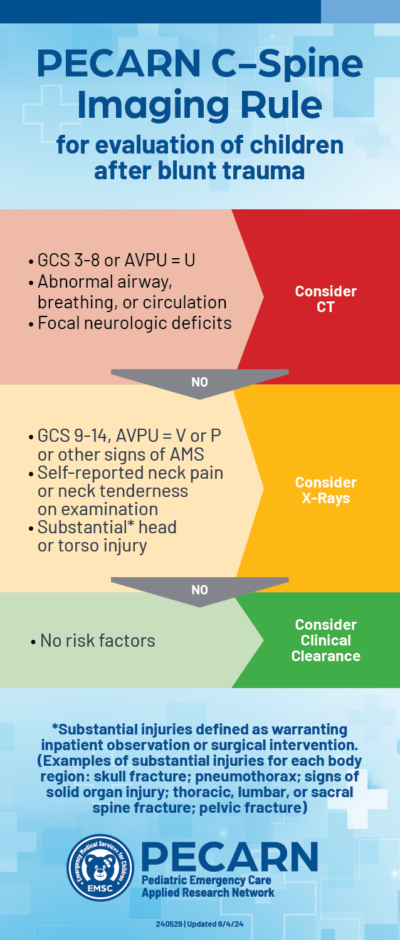
PECARN Cervical Spine Injury Prediction Rule

On June 4, 2024, Lancet published “PECARN prediction rule for cervical spine imaging of children presenting to the emergency department with blunt trauma: a multicentre prospective observational study.” This study proposes a new clinical prediction rule to guide imaging decisions for pediatric cervical spine injuries.

The study enrolled 22,430 children, aged 0–17 years, presenting with blunt trauma across 18 PECARN-affiliated ED in the US. About half were in the derivation and half in the validation cohort. The researchers derived and validated a clinical prediction rule using data from these children, which identified key risk factors for cervical spine injury, divided into high-risk and non-negligible (intermediate) risk factors.

High Risk (>12.1% risk of injury) -> Consider CT

  • Altered mental status (GCS 3-8 or AVPU = U)
  • Abnormal airway
  • Breathing
  • Circulation findings
  • Focal neurological deficits

Intermediate Risk (2.8% risk of injury) -> Consider X-Rays

  • Neck pain or midline neck tenderness
  • Mental status: GCS 9-14, AVPU = V or P, or other signs of altered mental status
  • Substantial head or torso injury

Definition on Cervical Spine Injury

  • Fractures or ligamentous injuries of the cervical spine
  • Cervical intraspinal hemorrhage
  • Cerebral artery injury
  • Cervical spinal cord injury, including
    • Changes in the cervical spinal cord on MRI
    • Cervical spinal cord injury without radiographic association
PECARN Cervical Spine Injury Prediction Tool

PECARN Cervical Spine Injury Prediction Tool (Download full sized PDF at PECARN site)

The prediction rule had strong test characteristics with 94.3% sensitivity and 99.9% negative predictive value, indicating that it can reliably identify children who do not need imaging, thus avoiding unnecessary radiation exposure. This evidence-based approach to pediatric trauma care would have reduced the number of CT scans by more than 50% without missing clinically relevant injuries.

Case Example Resolution

Using the PECARN cervical spine injury prediction rule, the attending physician evaluates the boy and finds that he does not exhibit any high-risk factors. However, because he reports neck pain and has midline neck tenderness on exam (intermediate risk), the rule recommends that the cervical spine can not be clinically cleared. It also suggests plain x-rays and not a CT scan. This differs from the adult population whereby CT scan imaging is often the first choice for diagnostic testing.

The x-rays reveal no evidence of cervical spine injury, and the boy is cleared with instructions for follow-up care. This approach not only alleviated the mother’s anxiety but also avoided unnecessary radiation exposure for the child.

Reference

Leonard JC, Harding M, Cook LJ, et al. PECARN prediction rule for cervical spine imaging of children presenting to the emergency department with blunt trauma: a multicentre prospective observational study. Lancet Child Adolesc Health. 2024;8(7):482-490. doi:10.1016/S2352-4642(24)00104-4. PMID 38843852

By |2026-01-08T21:25:20-08:00Jun 10, 2024|Pediatrics, Radiology, Trauma|

PEM POCUS Series: Soft Tissue Ultrasound

PEM POCUS fascia iliaca block

Read this tutorial on the use of point of care ultrasonography (POCUS) for pediatric soft tissue ultrasonography. Then test your skills on the ALiEMU course page to receive your PEM POCUS badge worth 2 hours of ALiEMU course credit.

Case Goals

  1. List the indications of performing a pediatric soft tissue point-of-care ultrasound (POCUS).
  2. Describe the technique for performing soft tissue POCUS.
  3. Interpret signs of cellulitis, abscess, and soft tissue foreign body on POCUS.
  4. Describe the limitations of soft tissue POCUS.
  5. Differentiate abscess from other soft tissue pathologies such as cysts and lymph nodes.

Case Introduction: Child with abdominal pain

Wendy is a 7-year-old girl who comes into the emergency department with redness, swelling, and pain on her left calf. Her symptoms started 1 week ago as a scratch which progressively got more red and painful. There has been no drainage from the lesion. She has had no fevers, but endorses elevated temperatures of 99 F.

On arrival, her vital signs are:

Vital SignFinding
Temperature100.1 F
Heart Rate95 bpm
Blood Pressure105/68
Respiratory Rate20
Oxygen Saturation (room air)100%

On her exam, you notice a 3 x 3 cm area of erythema and induration on her right calf with questionable fluctuance. The area is tender to palpation. She has no other skin findings noted, and she is able to bear weight. Given your concern for an abscess which may require drainage, a POCUS is performed.

Pediatric Soft Tissue POCUS

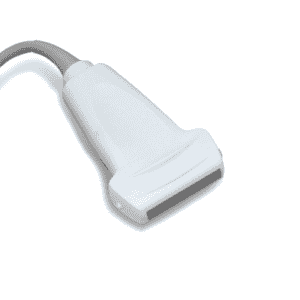
Figure 1. Linear ultrasound transducer

Probe

  • Use a linear, high-frequency transducer.

Technique

  • Hold the probe perpendicular to the skin.
  • Scan the area of interest in 2 orthogonal (perpendicular) planes.
  • If there is an abscess:
    • Measure the abscess in 3 dimensions.
    • Use color Doppler to ensure the structure is not vascular.

Pro Tips

  • It is often helpful to ultrasound the unaffected side as a comparison.
  • You cannot see what you didn’t scan. Scan the entirety of the affected area in 2 planes.
  • Be aware of the patient’s comfort throughout the examination.
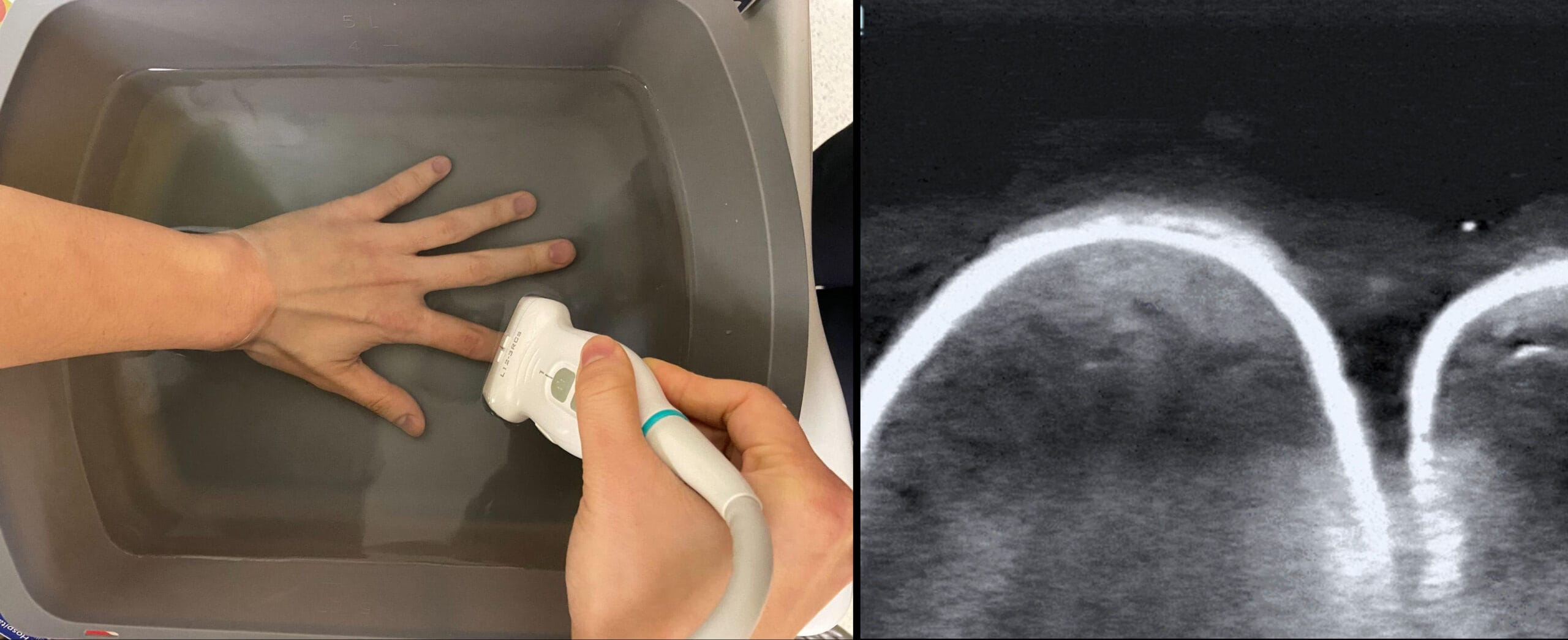
  • A water bath may be helpful to visualize lesions in extremities such as the hands or feet.
    • The probe sits just below the water’s surface and does not need to contact the skin.
    • The benefits of using a water bath include better visualization of superficial structures and alleviates the need for direct skin contact.
waterbath technique with ultrasound image

Figure 2. Left: Water bath technique; Right: Ultrasound of a toe using a water bath (image courtesy of The Pocus Atlas and Moudi Hubeishy, MD)

soft tissue layers ultrasound

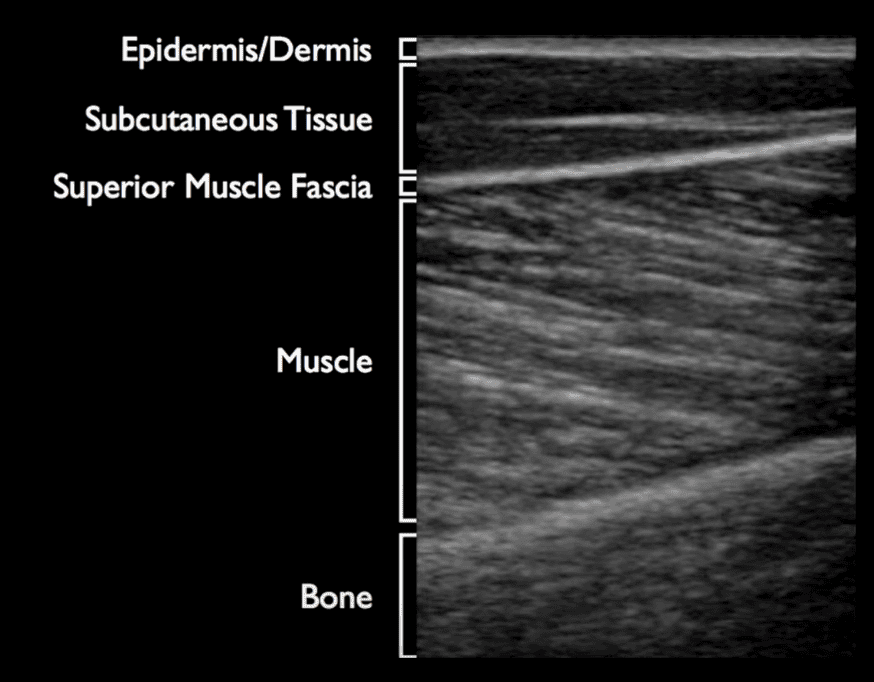
Figure 3. Normal soft tissue layers on ultrasound (image courtesy of The Pocus Atlas)

Normally on a soft tissue ultrasound, you will see layers of defined structures separated by fascial planes.

  1. Epidermis/dermis: This is the topmost layer and has an hyperechoic appearance on ultrasound.
  2. Subcutaneous tissue: This deeper layer will appear slightly more hypoechoic.
  3. Muscular layer: This even deeper layer classically appears striated in the long axis view, while in the short axis view, it will have a speckled appearance.
  4. Bone: This layer appears hyperechoic cortex with posterior shadowing.

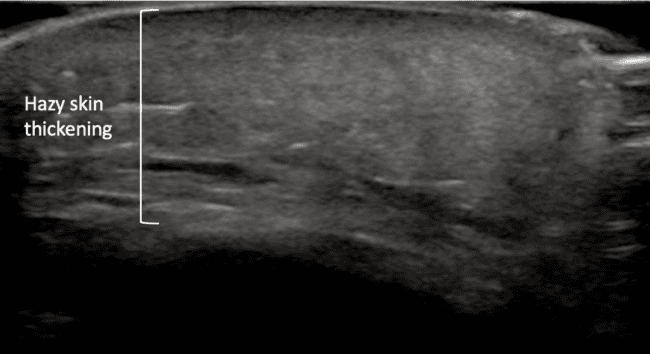
Cellulitis has a spectrum of appearances on ultrasound. Early cellulitis may present as skin thickening (Figure 4).

pem pocus cellulitis hazy thickening

Figure 4. Cellulitis with skin thickening


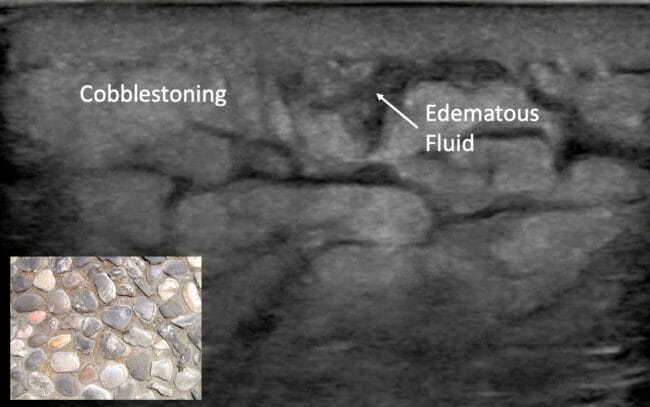
As cellulitis progresses, there is effacement of the clearly differentiated structures seen above, and the tissue layers may appear hazy and hyperechoic. More advanced cellulitis may have “cobblestoning” which is the result of edematous fluid separating fat globules in the subcutaneous tissue.

pem pocus cellulitis cobblestoning

Figure 5. Cellulitis with cobblestoning


Video 1. Ultrasound showing cellulitis with cobblestoning

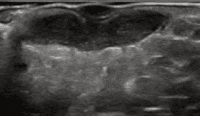
Abscesses can have varied appearances. They can be anechoic (black) or filled with debris leading to a heterogeneous appearance of contents. The rim may be echogenic or blend in with surrounding tissue. They may be well-circumscribed or may have irregular borders.

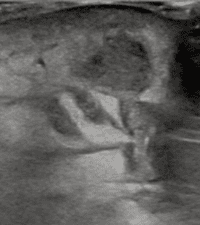
A. Abscess with irregular borders and heterogeneous appearance

B. Well-circumscribed abscess with heterogeneous debris

C. Larger abscess with well-circumscribed borders

D. Abscess with irregular borders and surrounding cellulitis

E. Abscess with irregular borders and more homogenous appearance

F. Superficial abscess with well-circumscribed borders

Table 1. Examples of different appearances of abscesses on ultrasound
Video 2. Ultrasound of a cutaneous abscess

Color Doppler Flow

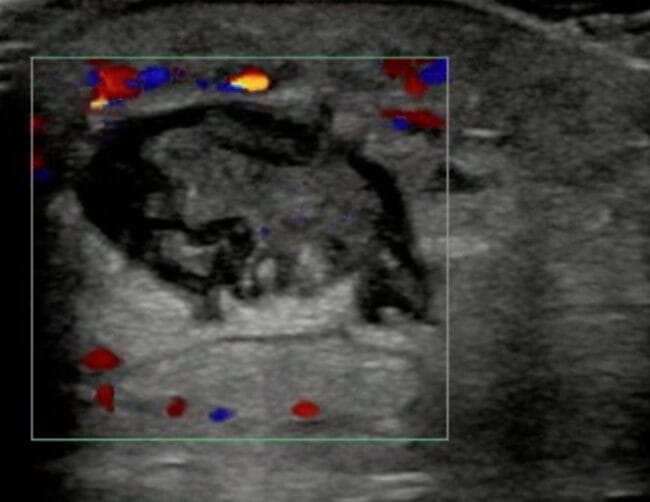
Placing color Doppler flow on a suspected abscess is helpful to differentiate it from a lymph node or blood vessel (see “Abscess Mimickers” section for lymph node examples). It may also aid in identifying nearby vasculature.

Figure 6. Abscess with color Doppler flow

Video 3. Ultrasound of cutaneous abscess with color Doppler flow

Posterior Acoustic Enhancement

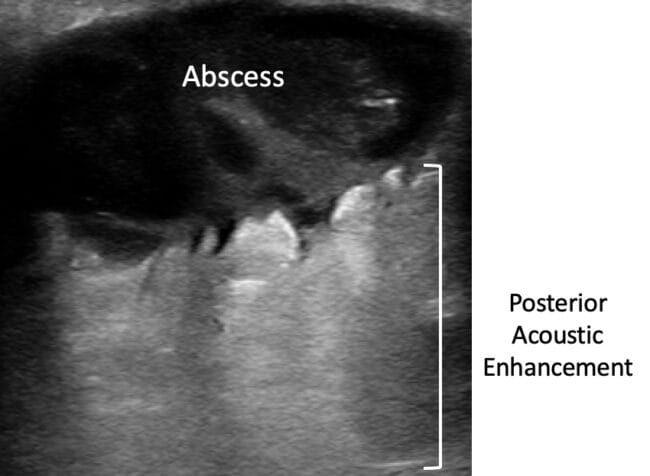
Abscesses may exhibit posterior acoustic enhancement, which results in an enhanced transmission of ultrasound waves through a fluid-filled structure. Sometimes the abscess may not be as obvious and appear less anechoic due to debris. A squish (or swirl) sign may be elicited by putting pressure on the region, which will cause movement of the abscess contents. This finding has also been called “pus-talsis”.

Figure 7. Abscess with posterior acoustic enhancement

Video 4. Ultrasound of cutaneous abscess with squish sign

Size Measurement

Abscesses should be measured in 2 planes. Measure depth in 1 plane and length in 2. An easy way to remember this is to measure a plus sign (+) in one view, and a minus sign (-) in the other.

Figure 8. Measurement of abscess in two planes (images courtesy of Dr. Munaza Rizvi)

Lymph Nodes

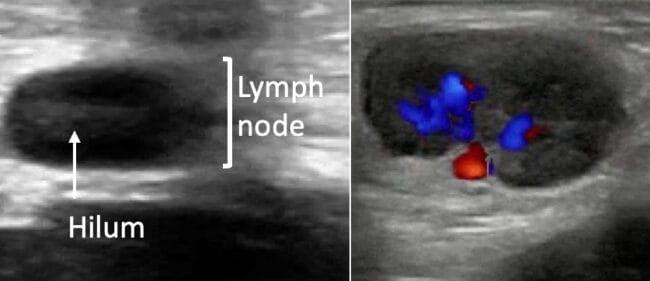
Lymph nodes appear as ovid and well-circumscribed structures on ultrasound and may be confused for abscesses. They may be differentiated by their homogenous echotexture, central echogenic hilum. When inflamed, they may exhibit internal vascularity which should not be seen in an abscess.

Figure 9. A lymph node with a hilum (left) and a reactive inguinal lymph node with central vascularity (right)

Cysts

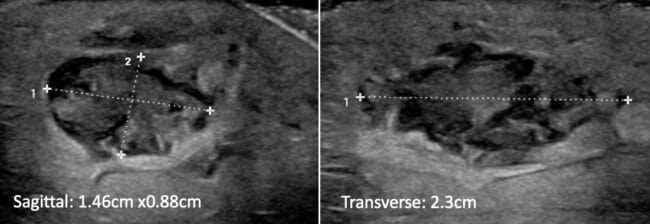
Cysts are fluid-filled, well-circumscribed structures which may be similar to abscesses. A common soft tissue cyst is an epidermoid cyst, which is a subepidermoid nodule filled with keratin. In addition to physical exam clues which may help distinguish cysts from abscess, cysts are typically very well-circumscribed and more homogenous in appearance.

Figure 10. Epidermoid cyst (image courtesy of The Pocus Atlas and Dr. Robert Jones)

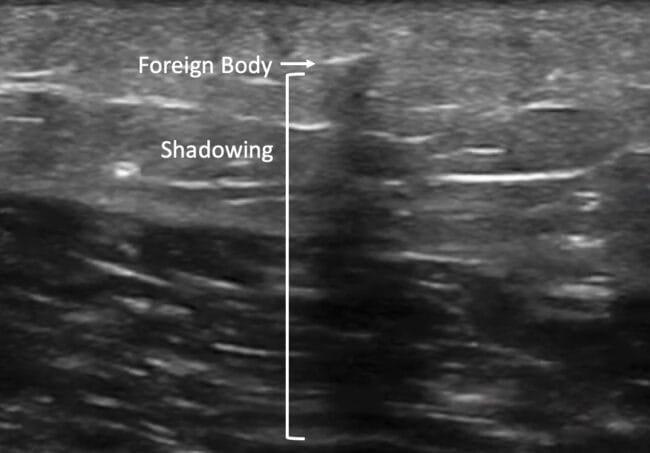
Soft tissue foreign bodies are a common pediatric presentation and can be easily identified on ultrasound. X-rays can be used to identify foreign bodies; however, their use is limited to radiopaque objects. On ultrasound, foreign bodies often appear as a hyperechoic defect.

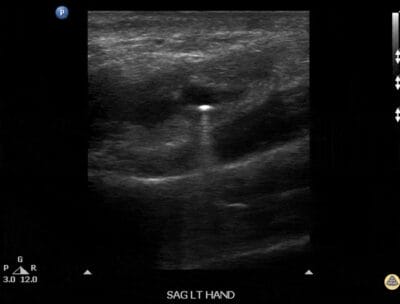
Figure 11. Hyperechoic foreign body (glass) embedded in the soft tissue of a foot with posterior shadowing

Video 5. Ultrasound of soft tissue foreign body

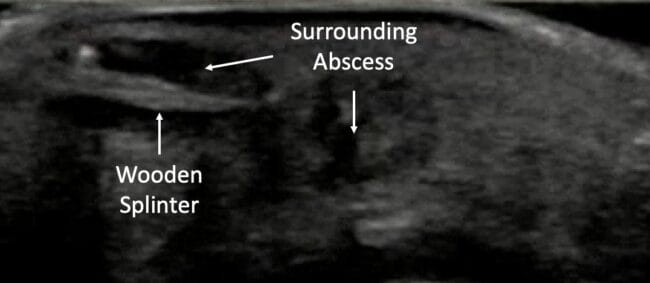
Foreign bodies embedded for a prolonged time may have signs of infection, such as cellulitis or abscess (Figure 12).

Figure 12. Wooden splinter embedded in a patient’s plantar foot with surrounding fluid collection consistent with abscess

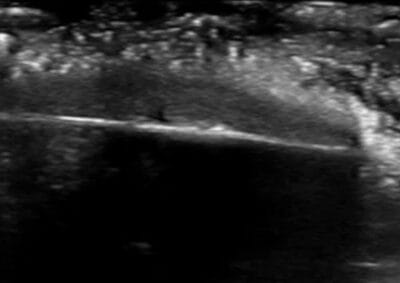
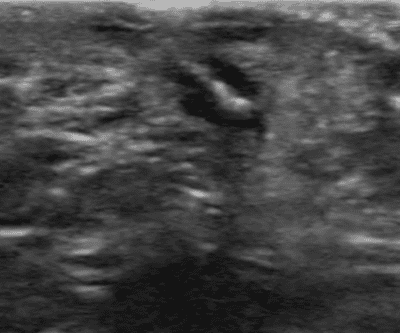
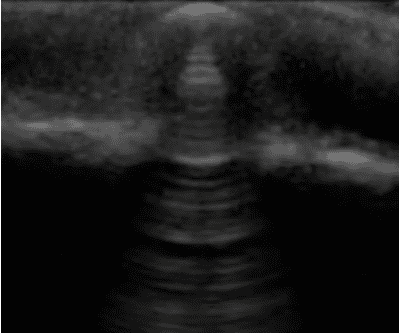
A foreign body’s composition can affect how it appears on ultrasound. Different materials can produce characteristic ultrasound artifacts.

Foreign BodyUltrasound FindingsUltrasound Image
WoodHyperechoic with posterior shadowing
GlassHyperechoic with posterior shadowing
May have comet tail artifact

Images courtesy of Dr. Ashkon Shaahinfar

MetalVery hyperechoic
Often has a comet tail or reverberation artifact
Table 2. Foreign body characteristics on ultrasound

Foreign Body Removal

Ultrasound assistance in foreign body removal may be static (used to locate the foreign body’s position) or dynamic (using ultrasound to guide foreign body removal in real-time). Measuring the foreign body and assessing the object’s depth on ultrasound may assist in determining if bedside removal versus surgical removal is indicated.

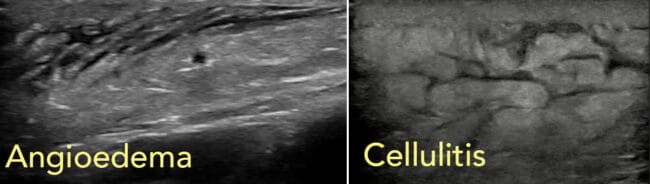
Limited evidence suggests that there may be some sonographic differences between the papular urticaria of a “skeeter syndrome” and local cellulitis. On ultrasound, both findings will have thickening of dermal and subcutaneous tissues. Angioedema characteristically includes more linear, horizontal, striated bands — in comparison to cobblestoning found in cellulitis [1]. However, additional studies are needed to confirm this.

Figure 13. Ultrasound of angioedema (left) and cellulitis with cobblestoning (right). Angioedema image courtesy of Dr. Laura Malia.

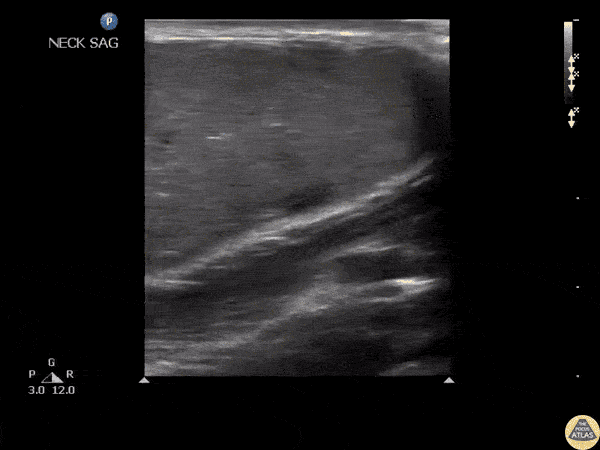
Necrotizing fasciitis is a rare pediatric diagnosis but a rapidly progressive and life-threatening condition if not identified quickly. While necrotizing fasciitis is primarily a clinical diagnosis, imaging may be helpful when the diagnosis is uncertain. Computed tomography (CT) and magnetic resonance imaging (MRI) have good test characteristics; however, these tests are time-consuming and may not be available in all centers. CT also involves ionizing radiation. Point-of-care ultrasound has the benefit of rapid bedside use and lack of ionizing radiation.

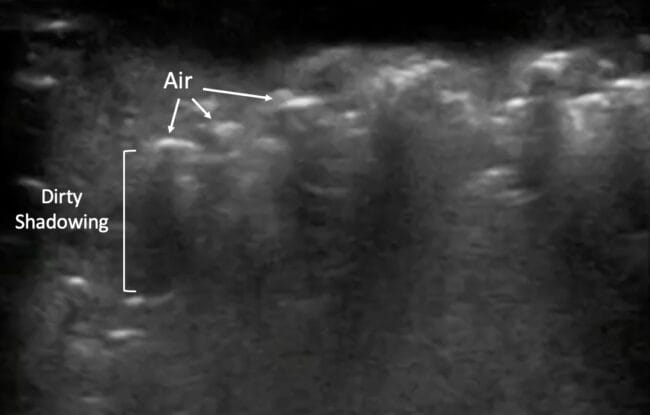
On ultrasound, early necrotizing fasciitis presents with thickening of the subcutaneous tissue, similar to cellulitis. Fluid in the fascial layers may also be present, and a thick layer of pre-fascial fluid >4 mm has been associated with necrotizing fasciitis [2]. Subcutaneous air with dirty shadowing (Figure 14) is a characteristic but late finding in necrotizing fasciitis. These findings may be recalled using the “STAFF” mnemonic [3]:

  • Subcutaneous Thickening
  • Air
  • Fascial Fluid

Note: It may be difficult to distinguish early cases of necrotizing fasciitis from cellulitis. Therefore ultrasound should not be used to exclude necrotizing fasciitis. Patients with findings concerning for necrotizing fasciitis require additional work-up and surgical consultation.

Figure 14. Necrotizing fasciitis on POCUS exam showing the presence of air with dirty shadowing within soft tissue (image courtesy of Dr. Di Coneybeare)

For additional reading on ultrasounding necrotizing fasciitis, see these ALiEM articles:

  • As with all ultrasound applications, soft tissue POCUS is operator dependent.
  • The ultrasound can only see what is scanned. You must make sure the lesion is fully imaged.
  • It is difficult to differentiate between various types of fluid on ultrasound. For example, hematomas may resemble abscesses. Therefore clinical context is important.

There have been multiple studies (Table 3) that support the use of soft tissue POCUS for identification of cellulitis or abscess. Soft tissue POCUS has been shown to have good sensitivity and specificity. It has also been shown to be superior to clinical assessment in several pediatric studies.

POCUS can also reduce the length of stay (LOS) for our patients. In one pediatric study including 3,094 children suspected of a soft tissue infection who underwent either POCUS or radiology department ultrasound, POCUS was shown to have a shorter median LOS by 73 minutes (95% CI 52.4-93.6 min) [4].

StudyNMethodsPOCUS Sensitivity (95% CI)POCUS Specificity (95% CI)Conclusions
Gottleib et al., Ann Emerg Med 2020 [5]2,656Systematic review of adult and pediatric studies94.6%

(89.4-97.4%)

85.4%

(78.9-90.2%)

POCUS has good diagnostic accuracy. Led to correct change in management in 10% of cases.
Lam et al., J Emerg Med 2018 [6]327Prospective cohort study of children 6mo-18yrs comparing clinical assessment to POCUS90.3%

(83.4-94.7%)

80%

(70.0-87.4%)

POCUS changed management in 22.9% of cases*
Subramaniam et al., Acad Emerg Med 2016 [7]800Systematic review of adult and pediatric (patients from birth – 21yrs) studies97%

(94-98%)

83%

(75-88%)

POCUS may assist physicians in distinguishing cellulitis versus abscess.
Adams et al., J Pediatr 2015 [8]151Prospective cohort study of patients 3mo-21yrs comparing clinical assessment to POCUS96%

(90-99%)

87%

(74-95%)

POCUS changed management in 27% of cases.** For every 4 ultrasounds performed, 1 correct change in management.
Sivitz et al., J Emerg Med 2009 [9]50Prospective cohort study of children <18yrs comparing clinical assessment to POCUS90%

(77-100%)

83%

(70-97%)

POCUS changed management in 22% of cases.
Table 3. Studies comparing soft tissue POCUS to clinical assessment in the management of soft tissue infections.
* Change in management after POCUS defined by the following:
  • Changed incision location/size
  • Added packing
  • Medical to surgical management
  • Surgical to medical management
  • Consultation of specialist
  • Other
** Change in management defined as when the ultrasound diagnosis was discordant from the physical exam and matched the ultimate lesion classification.

Case Resolution

After reviewing the literature, you decide to perform a POCUS to evaluate for skin abscess. You place a linear, high-frequency transducer over the patient’s affected area and you observe the following:

Video 6. Soft tissue ultrasound showing an abscess with heterogeneous appearance and irregular borders with posterior acoustic enhancement, surrounding soft tissue haziness, cobblestoning

ED Course

The patient underwent successful incision and drainage of the abscess, and she was discharged home with antibiotics.


Learn More…

References

  1. Tay ET, Ngai KM, Tsung JW, Sanders JE. Point-of-Care Ultrasound on Management of Cellulitis Versus Local Angioedema in the Pediatric Emergency Department. Pediatr Emerg Care. 2022 Feb 1;38(2):e674-e677. doi: 10.1097/PEC.0000000000002416. PMID: 34398861.
  2. Yen ZS, Wang HP, Ma HM, et al. Ultrasonographic screening of clinically-suspected necrotizing fasciitis. Acad Emerg Med. 2002;9:1448–1451. PMID 12460854.
  3. Castleberg E, Jenson N, Dinh VA. Diagnosis of necrotizing faciitis with bedside ultrasound: the STAFF Exam. West J Emerg Med. 2014 Feb;15(1):111-3. doi: 10.5811/westjem.2013.8.18303. PMID: 24578776; PMCID: PMC3935782.
  4. Lin MJ, Neuman M, Rempell R, Monuteaux M, Levy J. Point-of-Care Ultrasound is Associated With Decreased Length of Stay in Children Presenting to the Emergency Department With Soft Tissue Infection. J Emerg Med. 2018 Jan;54(1):96-101. doi: 10.1016/j.jemermed.2017.09.017. Epub 2017 Oct 27. PMID: 29110982.
  5. Gottlieb M, Avila J, Chottiner M, Peksa GD. Point-of-Care Ultrasonography for the Diagnosis of Skin and Soft Tissue Abscesses: A Systematic Review and Meta-analysis. Ann Emerg Med. 2020 Jul;76(1):67-77. doi: 10.1016/j.annemergmed.2020.01.004. Epub 2020 Feb 17. Erratum in: Ann Emerg Med. 2022 Jan;79(1):90. PMID: 32081383.
  6. Lam SHF, Sivitz A, Alade K, Doniger SJ, Tessaro MO, Rabiner JE, Arroyo A, Castillo EM, Thompson CA, Yang M, Mistry RD. Comparison of Ultrasound Guidance vs. Clinical Assessment Alone for Management of Pediatric Skin and Soft Tissue Infections. J Emerg Med. 2018 Nov;55(5):693-701. doi: 10.1016/j.jemermed.2018.07.010. Epub 2018 Aug 28. PMID: 30170835; PMCID: PMC6369916.
  7. Subramaniam S, Bober J, Chao J, Zehtabchi S. Point-of-care Ultrasound for Diagnosis of Abscess in Skin and Soft Tissue Infections. Acad Emerg Med. 2016 Nov;23(11):1298-1306. doi: 10.1111/acem.13049. Epub 2016 Nov 1. PMID: 27770490.
  8. Adams CM, Neuman MI, Levy JA. Point-of-Care Ultrasonography for the Diagnosis of Pediatric Soft Tissue Infection. J Pediatr. 2016 Feb;169:122-7.e1. doi: 10.1016/j.jpeds.2015.10.026. Epub 2015 Nov 10. PMID: 26563535.
  9. Sivitz AB, Lam SH, Ramirez-Schrempp D, Valente JH, Nagdev AD. Effect of bedside ultrasound on management of pediatric soft-tissue infection. J Emerg Med. 2010 Nov;39(5):637-43. doi: 10.1016/j.jemermed.2009.05.013. Epub 2009 Aug 8. PMID: 19665335.

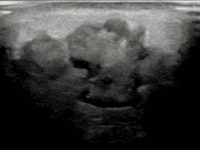
SAEM Clinical Images Series: An Ultrasonographic Rabbit Hole

hole

An 86-year-old man with a past medical history of coronary artery disease, hypertension, hyperlipidemia, chronic kidney disease, COPD, choledocholithiasis requiring ERCP and sphincterotomy 2 years ago presented with five days of feeling unwell. History was limited due to cognitive impairment. His daughter had reported to staff he had been feeling unwell for five days, intermittently having nausea and generalized abdominal pain, subjective fevers, chest pain, and shortness of breath. His daughter also reported a history of intermittent lower abdominal cramping which was chronic for him. He denied changes to urination or bowel movements.

Vitals: BP 106/67, Temp 36.2°C, Pulse 115, Resp 20, SpO2 95%

General: Nontoxic appearing, no distress

Heart: Regular, no murmurs

Lungs: Clear bilaterally, normal work of breathing

Abdomen: Diffusely tender, greatest in left upper quadrant

CBC with differential: WBC 14.1, Neutrophil 12% (high)

Comprehensive metabolic panel (CMP): Total bilirubin 2.7 (high), AlkP 328 (high), AST/ALT normal

Lipase: Normal

Troponin x2: Negative

Chest x-ray: No acute abnormality

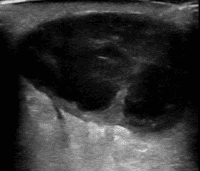
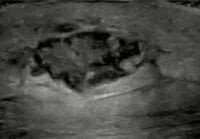
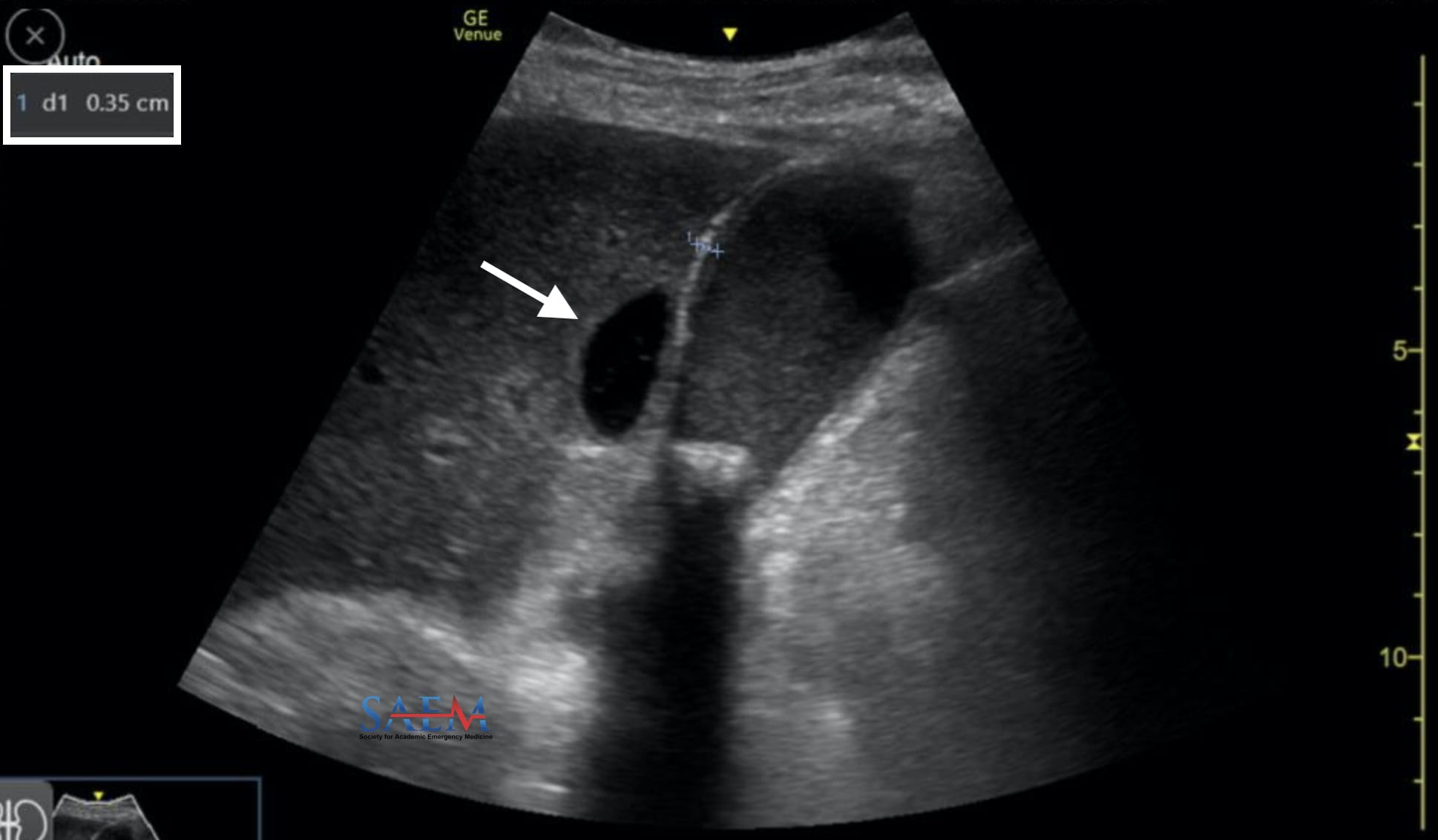
This patient has sonographic evidence of perforated gangrenous cholecystitis which was confirmed on subsequent CT scan. Gallbladder perforation is a complication of cholecystitis and has a reported incidence of 5-10%. It has been reported as early as two days after the onset of symptoms to as late as several weeks afterward. The most common site of perforation is the fundus due to relatively poor blood supply. In this case, the culprit perforation was in the proximal body adjacent to the stone which is suspected to have eroded through the wall.

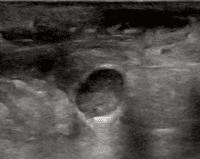
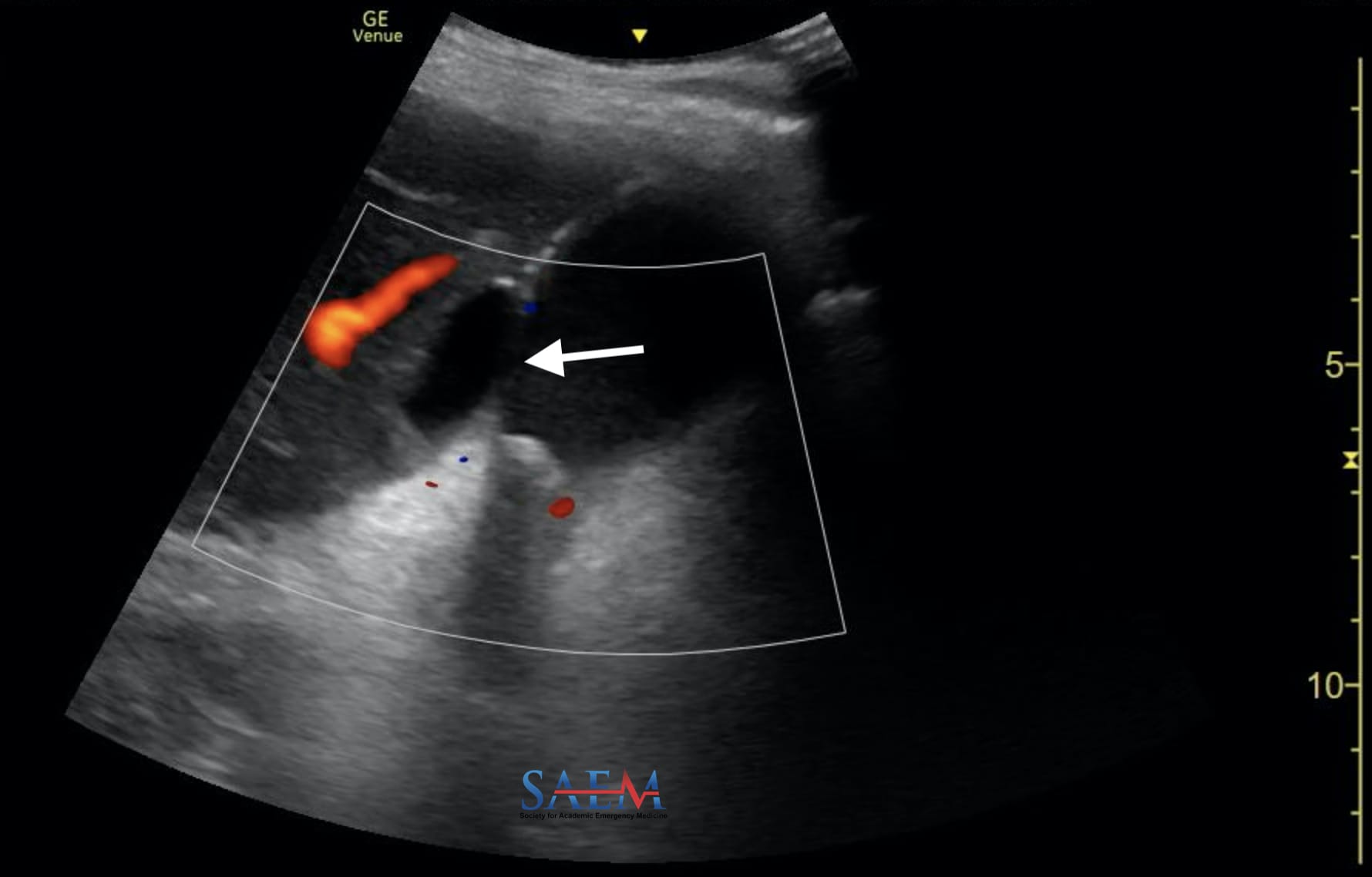
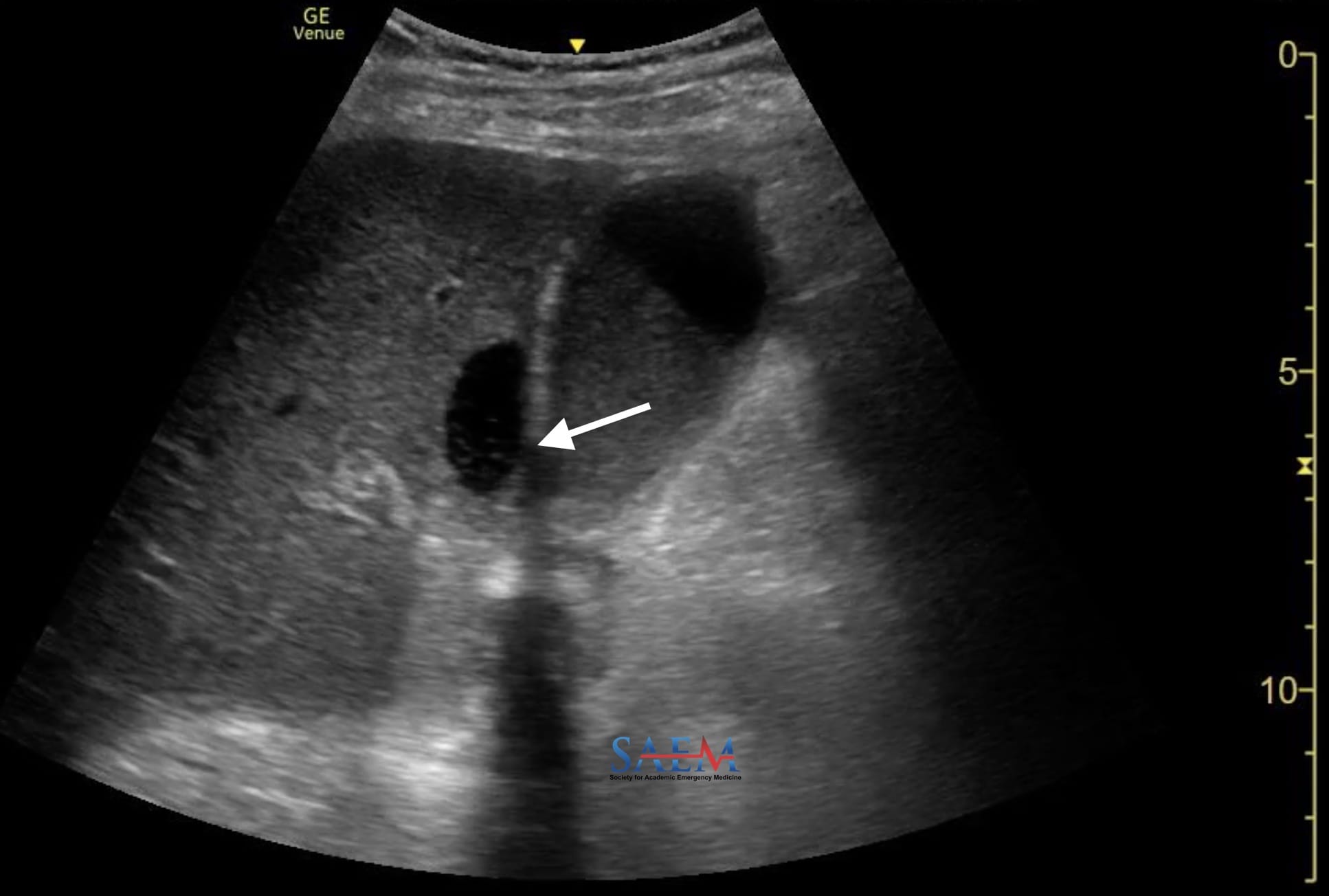
Figure 1 depicts a minimally thickened gallbladder wall measured at 3.5 mm with a large shadowing stone-in-neck and associated perihepatic fluid collection (arrow) with a subtle intraluminal membrane and wall irregularity consistent with gangrenous cholecystitis. Figure 2 doppler images show no flow within the fluid collection and a suspiciously thin gallbladder wall (arrow). Figure 3 again highlights an irregular wall with small “hole sign” (arrow) signifying perforation of the gallbladder into the adjacent fluid collection. This patient was admitted to the hospital’s general surgical service and treated with IV broad-spectrum antibiotics and a percutaneous cholecystostomy tube placed by interventional radiology.

Take-Home Points

  • Look out for “hole signs” with adjacent fluid collection on your gallbladder ultrasounds which would suggest perforation.
  • Intraluminal membranes or wall irregularities suggest gangrenous cholecystitis.
  • Initial treatment includes broad-spectrum antibiotics and cholecystostomy tube decompression.

  • Indiran, V., Prabakaran, N. & Kannan, K. “Hole sign” of the gallbladder. Indian J Gastroenterol 36, 66–67 (2017). https://doi.org/10.1007/s12664-016-0723-3
  • Jeffrey RB, Laing FC, Wong W, Callen PW. Gangrenous cholecystitis: diagnosis by ultrasound. Radiology. 1983 Jul;148(1):219-21. doi: 10.1148/radiology.148.1.6856839. PMID: 6856839.
  • Sood, B.P., Kalra, N., Gupta, S., Sidhu, R., Gulati, M., Khandelwal, N. and Suri, S. (2002), Role of sonography in the diagnosis of gallbladder perforation. J. Clin. Ultrasound, 30: 270-274.

SAEM Clinical Images Series: Retrobulbar Spot Sign

vision

A 59-year-old male with no known past medical history other than an incidental abdominal aortic aneurysm presented with sudden onset, painless vision loss in his left eye. The patient was watching TV two days prior when he saw a “brightness” in his left eye and then progressive blurriness until his vision faded away, all occurring within the span of a minute. At the time of presentation, he only sees a speck of light from that eye. He denied associated pain, flashes, floaters, jaw claudication, the sensation of a “curtain falling”, prior vision problems, or a history of blood clots.

Eyes: Eyelids and lashes normal. Visual acuity: 20/30 OD, Light Perception OS. EOMI. PERRL. OD visual fields intact. Afferent Pupillary Defect OD. Normal conjunctiva. IOP 16 OD, 14 OS. Otherwise CN 3-12 intact.

Complete blood count (CBC): Within normal limits

Basic metabolic panel: Creatine 1.3 (unknown baseline)

ESR: Unmarkable

Central Retinal Artery Occlusion (CRAO) is an ocular emergency that presents as acute painless monocular vision, caused by ischemia and infarction to the retina via thromboembolic disease to the central retinal artery. It requires immediate consultation with ophthalmology as well as neurology as it is considered a stroke equivalent.

The case described above and several previously published case studies highlight the utility of POCUS in identifying CRAO via the retrobulbar spot sign (RBSS) within the optic nerve in a rapid, non-invasive manner that can be done prior to waiting for dilation for a fundoscopy exam. This has the potential to expedite consultations with specialty teams and treatment.

Several studies also reveal the potential of POCUS to predict the etiology of CRAO (arterio-arterial embolization vs cardio-embolic vs vasculitis) and thus to predict the success of thrombolytic treatment in CRAO. In a prospective monocenter study of 46 patients with ophthalmologically confirmed CRAO, embolism from large artery atherosclerosis (LAA, i.e. carotids or aortic arch) was the etiology in 27 patients, cardioembolic in 10 patients, vasculitis in 5 patients, and unknown in 4 patients. Out of the LAA patients, 59% had RBSS compared with only 20% in cardioembolic and 0% in the vasculitis patients. Within the 11 patients that underwent thrombolysis, statistically significant visual improvement occurred in all 4 patients with RBSS negative CRAO, while the 7 patients with RBSS positive CRAO had persistent visual impairment with persistent occlusion of their arteries. This study concludes that their results support the hypothesis that RBSS is seen due to calcium deposits that will not be dissolved with thrombolysis. Another small single-center German study points out the utility of seeing RBSS as 100% specific for an embolic cause of CRA, excluding temporal arteritis from the differential.
Take-Home Points

  • POCUS can guide us in diagnosing a patient with painless vision loss prior to more time-consuming fundoscopy exam.
  • Stroke workup for CRAO is necessary, and don’t forget about secondary prevention/risk stratification which must be part of the management.
  • RBSS may predict poor response to systemic thrombolysis.

  • Ertl M, Altmann M, Torka E, Helbig H, Bogdahn U, Gamulescu A, Schlachetzki F. The retrobulbar “spot sign” as a discriminator between vasculitic and thrombo-embolic affections of the retinal blood supply. Ultraschall Med. 2012 Dec;33(7):E263-E267. doi: 10.1055/s-0032-1312925. Epub 2012 Sep 21. PMID: 23023446.
  • Nedelmann, Matt et al. “Retrobulbar Spot Sign Predicts Thrombolytic Treatment Effects and Etiology in Central Retinal Artery Occlusion” American Heart Association (AHA). Stroke. 2015;46:2322–2324 https://doi.org/10.1161/STROKEAHA.115.009839
  • Smith, Austin T et al. “Using the Retrobulbar Spot Sign to Assist in Diagnosis and Management of Central Retinal Artery Occlusions.” Journal of ultrasound in medicine : official journal of the American Institute of Ultrasound in Medicine vol. 39,1 (2020): 197-202. doi:10.1002/jum.15073

By |2024-01-28T21:19:20-08:00Jan 29, 2024|Ophthalmology, SAEM Clinical Images, Ultrasound|
Go to Top