


Infographic: Calcium Channel Blocker Overdose
Calcium channel blocker overdose can produce a deadly toxidrome that requires rapid recognition and intervention. Dr. Joshua C. Feblowitz, a PGY-3 EM resident at the Harvard-Affiliated Emergency Medicine Residency at Brigham and Women’s Hospital and Massachusetts General Hospital, created a high-yield infographic on the symptoms and management of this important toxidrome!
 We are proud to present Capsules Module 10: Concepts in Infectious Disease, now published on
 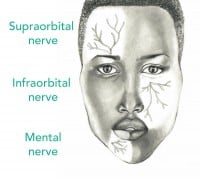 Regional nerve blocks of the face and ear can be a wonderful choice of analgesia in a child, particularly for wounds that need to be repaired. The benefits include fewer local injections, improved cosmesis due to less wound margin distortion, and improved analgesia within the nerve region.
 Welcome to the 4th annual installment of our must-know Emergency Medicine pharmacotherapy articles post, this time for 2017. We summarize some important EM pharmacotherapy articles from the last 12 months. We have tried to focus on articles that you may have missed, but are potentially high-impact for improving clinical practice in the ED. Without further ado, we present the 12 must-know EM pharmacotherapy articles of 2017.