


ALiEMU AIR Obstetrics and Gynecology Module
 Welcome to the Obstetrics and Gynecology (Ob/Gyn) Module! After carefully reviewing all relevant posts from the top 50 sites of the Social Media Index, the ALiEM AIR Team is proud to present the highest quality online content related to Ob/Gyn emergencies. 10 blog posts within the past 12 months (as of July 2018) met our standard of online excellence and were curated and approved for residency training by the AIR Series Board. We identified 2 AIR and 8 Honorable Mentions. We recommend programs give 4 hours (about 25 minutes per article) of III credit for this module.
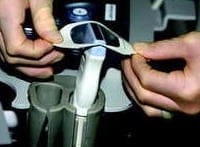 Have you ever performed a procedure, when suddenly, you are overcome by a sinking feeling that something just is not right? A mix of fear, guilt, and anger: Fear that you endangered a patient, guilt that you missed an important step in the procedure, and anger at yourself for being careless. The oath we take as physicians echoes loudly: Primum non nocere. First, do no harm.
 The
The 

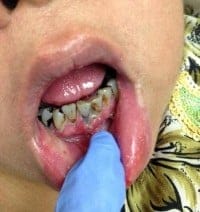 A middle-aged Asian female presents to the emergency department complaining of 2-3 days of mouth pain. She has chewed betel nut for a number of years. Which of the following is true regarding her presentation and management?
 Welcome to another ultrasound-based case, part of the “Ultrasound For The Win!” (