


Paucis Verbis card: Generalized Convulsive Status Epilepticus
 How do you manage patients who present in status epilepticus, knowing that “time is CNS function”? The longer patients remain seizing, the greater their morbidity and mortality.
Did you know that one study showed that 48% of their patients who presented in generalized convulsive status epilepticus (GCSE) had subtle persistent GCSE on EEG, despite no clinical evidence of overt seizure activity? That’s scary.
Do you send off a serum tricyclic toxicology screen for all your patients with GCSE? Because of the prevalence of TCA overdoses locally, our Neurology consultants definitely order it. We are picking up a surprising number of positive tricyclic tox screens.
PV Card: Status Epilepticus
Adapted from [1]
Go to ALiEM (PV) Cards for more resources.
Reference
- Shearer P, Riviello J. Generalized convulsive status epilepticus in adults and children: treatment guidelines and protocols. Emerg Med Clin North Am. 2011;29(1):51-64. [PubMed]

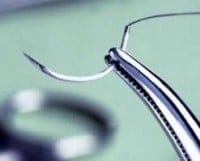 Suturing is a common procedure performed in the ED, but we too often forget about the nuances of different suture materials. We get set in our practice patterns. This changed when our ED got the fast-absorbing gut suture for surface wounds, especially for pediatric patients. This makes a return visit for suture removal unnecessary because they quickly become absorbed over time. Increasingly, I have observed plastics surgeons using these for surface wound closure of the face and hands.
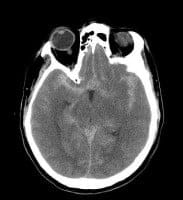 In Wednesday’s post about the Colorado Compendium, Graham mentioned a new 2010 BMJ article on the high-risk signs suggestive of subarachnoid hemorrhage by the gurus in clinical prediction rules in Canada.