SAEM Clinical Image Series: Tea & Toast | A Case of an Abdominal Rash

Tea & Toast erythema ab igne rash


[Click for larger view]

Chief complaint: Abdominal pain, nausea, and vomiting

History of present illness: A 46 year-old female with a past history of fibromyalgia, irritable bowel disease, and chronic abdominal pain presented to the emergency department with abdominal pain, nausea, and vomiting. She reported a one-year history of similar symptoms but states that her symptoms are worse today than usual, and not improved by her home hydrocodone, medical marijuana, or heating pad use – all of which she uses daily. She has not been able to tolerate oral intake today, vomiting up her breakfast of plain toast.

The patient was observed using her home heating pad in the emergency department.

(more…)

By |2019-08-12T07:11:03-07:00Aug 12, 2019|Dermatology, Environmental|

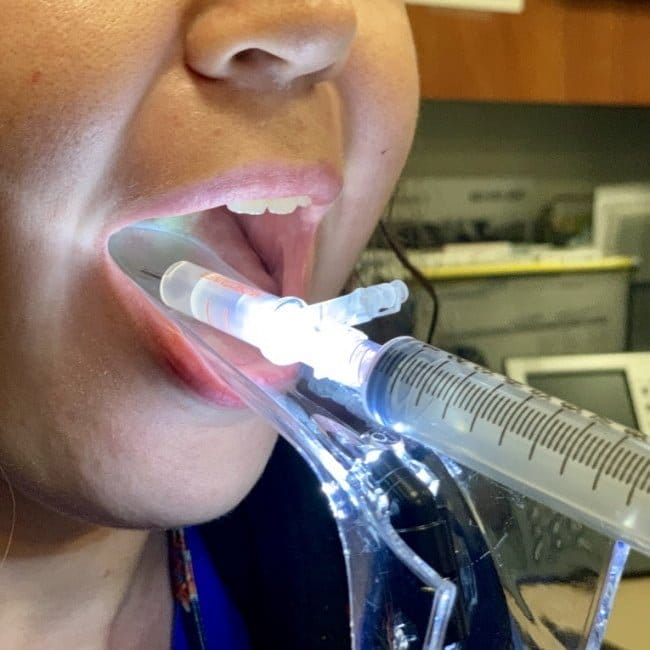
Trick: Peritonsillar abscess drainage 3.0 | All the steps with added variations

Peritonsillar abscess drainage pelvic speculum

A 25-year-old medical student comes in with a muffled voice, sore throat and trismus. You look at the back of her throat and you see the uvula deviated to the right. You astutely diagnosed a peritonsillar abscess (PTA). You consider aspirating and want to check for tips on how to successfully do this.

Dr. Michelle Lin and Dr. Demian Szyld have created great guides for the common and important emergency medicine procedure of draining a PTA (laryngoscope lighting and spinal needle for aspiration; ultrasound localization and spinal needle guard; avoiding awkward one-handed needle aspiration). This update reviews these tricks as well as some additional techniques for optimal success in draining a PTA, while avoiding the ultimate feared complication of puncturing the carotid artery.

(more…)

By |2026-06-16T16:14:40-07:00Aug 9, 2019|ENT, Tricks of the Trade, Ultrasound|

PEM Pearls: Ultrasound for Diagnosing Occult Supracondylar Fractures

Supracondylar humerus fractures are the most common type of elbow fracture in pediatric patients, most often seen in a fall on an outstretched hand (FOOSH) or a fall on a hyper-extended elbow.​1,2​ If there is no obvious fracture on x-rays, the patient may have an occult fracture; look for secondary radiographic signs including a posterior fat pad sign, an enlarged anterior fat pad or ‘sail sign’, or malalignment. Occult supracondylar fractures (those with initial normal radiographs that are later diagnosed in follow up) make up 2-18% of all the fractures we see in kids.​3​ When x-ray findings are nonspecific but the index of suspicion for fracture remains high, ultrasound may aid in your clinical decision making.

(more…)
By |2019-08-06T22:45:39-07:00Aug 7, 2019|Pediatrics, PEM Pearls|

ALiEM AIR | Orthopedics Upper Extremity 2019 Module

Welcome to the AIR Orthopedics Upper Extremity Module! After carefully reviewing all relevant posts from the top 50 sites of the Social Media Index, the ALiEM AIR Team is proud to present the highest quality online content related to orthopedics upper extremity emergencies. 5 blog posts within the past 12 months (as of March 2019) met our standard of online excellence and were curated and approved for residency training by the AIR Series Board. We identified 0 AIR and 5 Honorable Mentions. We recommend programs give 2.5 hours (about 30 minutes per article) of III credit for this module.

(more…)

What is palliative emergency medicine and why now?

elder hand palliative emergency medicine care

The skilled and rapid resuscitation of critically ill patients is a central premise in the specialty of emergency medicine (EM). A paradox for providers often arises when in the midst of resuscitating a patient with advanced chronic illness, the question of risks versus benefits arises. For this patient, we may successfully stabilize vital signs, but at what cost? Will this patient return to a quality of life they deem acceptable? What are the patient’s goals of treatments given his/her underlying disease? These questions illustrate the need for emergency physicians to be more aware of and comfortable with palliative care practices.

(more…)
By |2026-06-16T16:14:37-07:00Jul 31, 2019|Geriatrics, Palliative Care|

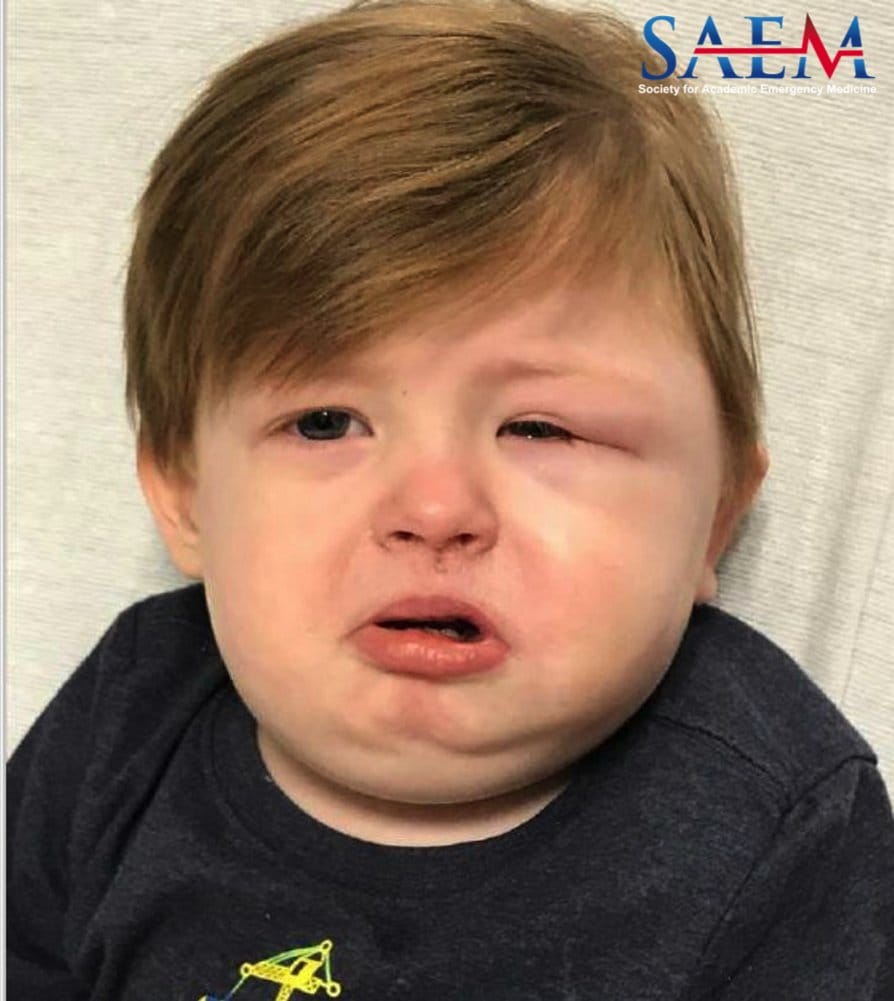
SAEM Clinical Image Series: Rash After a Sore Throat and Ibuprofen Use

Rash

[Click for larger view]

Chief complaint: Rash

History of Present Illness: The patient is an 18 year-old male who presents with a rash that appeared 7 days ago. The rash is located on his torso, back, and lower lip. It is pruritic. Three days prior to the appearance of the rash, he had a sore throat and intermittently took ibuprofen over the ensuing 3 days. He stopped taking ibuprofen 4 days after his sore throat abated. He denies any fever, nausea, vomiting, shortness of breath, chest pain, abdominal pain, diarrhea, extended travel in the past year, sick contacts, new soaps/detergents, insect bites, chemical exposure, and new foods.

(more…)

New free P3 app: PECARN Publication Prospectus

P3 PECARN app

One of the gold standard for building and sustaining collaborative, multi-institutional research networks in medicine is the Pediatric Emergency Care Applied Research Network (PECARN) organization. Their efforts on studying pediatric emergency care has resulted some of our specialty’s landmark papers in Lancet, New England Journal of Medicine, JAMA Pediatrics, and Annals of Emergency Medicine. Although we are not officially affiliated with them, we fully support their efforts and wanted to help disseminate their evidence-based findings with an educations. Thus was born the PECARN Publication Prospectus (P3) app project [download free P3 app].

The P3 Project and Team

As with many of our ALiEM initiatives, the P3 project arose from a collaborative sprint effort over a 4 week period in 2019 with prehospital educators, emergency medicine (EM) residents, budding and current pediatric EM fellows, and EM/PEM attending physicians. This app plans to be a “living” catalog of PECARN publications which is updated as their prolific research team continues to publish.

  • Phase 1: Extracting the clinically-relevant educational pearls and a brief study summary from each of their 140+ peer-reviewed papers
  • Phase 2: Feature expert peer-reviewer commentaries from one of the paper’s authors
  • Phase 3: Link high-quality online resources which review or highlight these papers


  • Jessica Chow, MD (Chief Resident, Department of Emergency Medicine, UC San Francisco)
  • Lamarr Echols, MD (Emergency physician, Northbay Medical Center)
  • James Gray, MD (Fellow, Pediatric Emergency Medicine, Cincinnati Children’s Hospital)
  • Ryan Hunter, BS NRP FP-C (Paramedic/ Firefighter, Montgomery Co. Fire-EMS; Critical Care Flight Paramedic, U.S. Army National Guard)
  • Ginger Locke, BA NRP (Associate Professor of EMS Professions, Austin Community College)
  • Floyd Miracle, BS NRP (Clinical Manager, Jessamine County EMS)
  • Damian Roland, BMedSci, BMBS, PhD (Honorary Associate Professor and Consultant in Paediatric EM
  • Jason Woods, MD (Assistant Professor of Pediatrics, University of Colorado, Children’s Hospital of Colorado
  • Michelle Lin, MD (ALiEM Founder; Professor of EM, UC San Francisco)

P3 App

The P3 app, which is compatible with iOS and Android devices, summarizes each of the 140+ PECARN publications. These papers are subcategorized into learner groups (physicians/advanced practice providers, pharmacists, triage nurses, prehospital providers, and administrators) as well as organ system groups.

PECARN P3 app screenshots

Want to help?

We are always looking for more volunteers (physicians, pharmacists, nurses, paramedics) who support this exciting initiative. Contact us at info@aliem.com. Specifically, we need assistance with:

  • Designing a P3 logo
  • Identifying high-quality online resources that discuss the PECARN publications as part of Phase 3
By |2026-06-16T16:14:35-07:00Jul 24, 2019|Pediatrics|
Go to Top