


Antibiotics, Myasthenia Gravis, and Risk of Weakness
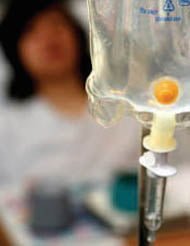 A 71 year old female presents to the ED with lethargy, fever (39.5 C), and tachypnea (RR 28 rpm). She has a long-standing history of myasthenia gravis (MG) for which she receives periodic IVIG infusions. She is accompanied by her son, who informs you that she had a recent 10-day hospital stay for weakness. A CXR reveals an infiltrate in the left lower lobe.
The decision is made to initiate antimicrobial therapy for presumed healthcare-associated pneumonia. But, which antibiotics are safe to use in a patient with severe MG?

 We commonly see patients who have some form of blunt chest trauma. This is the result of motor vehicle collisions, falls, and a myriad of other traumatic events. The decision to perform thoracic imaging can be difficult. Chest xray (CXR) and/or chest CT? In fact, studies have shown that emergency and trauma physicians often disagree 28-40.9% of the time about which patients require a chest CT following blunt trauma.
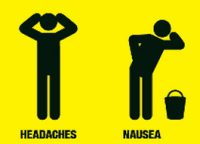 Carbon monoxide (CO) poisoning may be the most common cause of fatal poisonings worldwide.

 Welcome to the third ALiEM