


High risk back pain: Cauda Equina Syndrome (EREM)
 Cauda equina syndrome (CES), which occurs due to compression of the distal lumbar and sacral nerve roots, is a potentially devastating cause of back pain. CES is often missed on the patient’s initial visit which can lead to significant neurologic compromise in a matter of hours [1]. To improve patient outcomes and minimize medicolegal risk, providers need to understand the limitations of the history and physical and carefully consider the diagnosis of CES in any patient with back pain.


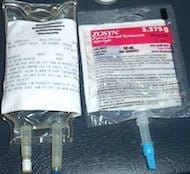 There are a few reasons why piperacillin/tazobactam (Zosyn) is not usually my first choice for a broad-spectrum gram-negative agent in the ED. First, at my institution, the Pseudomonas aeruginosa susceptibilities to pip-tazo are lower than that for cefepime. Second, pip-tazo does not have great CNS penetration, especially compared to ceftriaxone, cefepime, or even meropenem. Third, do we really need the anaerobic coverage that pip-tazo provides for every sick patient? Pip-tazo is great for empiric treatment of intra-abdominal and severe diabetic foot infections, but may not be needed for a hospital-acquired pneumonia. Fourth, with its frequent dosing (every 6 hours), too often the second dose is missed if the patient is still boarding in the ED.
