


PEITHO Trial: Fibrinolysis for Intermediate-Risk Pulmonary Embolism

Most of us would agree that massive PE is treated with fibrinolysis and non-massive PE is treated with anticoagulation. The area of great debate has been the optimal treatment for sub-massive PE. The MOPETT Trial was published in January 2013 and although the patient population was small, it did show a huge benefit in pulmonary pressures at 28 months with fibrinolysis. The next study we have all been waiting for is the Pulmonary Embolism Thrombolysis (PEITHO) trial, which was just published yesterday in the NEJM, evaluating fibrinolysis for patients with intermediate-risk PE.
 Intravenous sodium bicarbonate seems like a wonderful drug. It fixes acidosis, pushes potassium into cells, alkalinizes urine, and even helps with smelly feet. However, this literature review of four conditions casts some doubt into the seemingly cure-all that is bicarbonate.
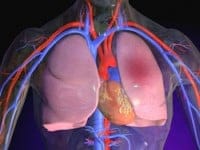 Multi-detector computed tomographic pulmonary angiography (CTPA) allows for better visualization of peripheral pulmonary arteries allowing for diagnosis of small peripheral emboli limited to the subsegmental pulmonary arteries. Interestingly as these SSPE’s get diagnosed more and more, two questions come to mind: