


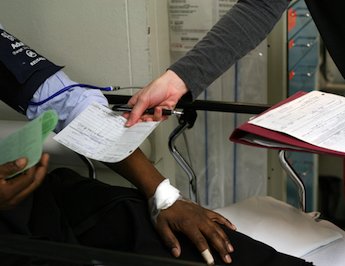
EREM: Pitfalls and Perils of Emergency Department Discharge Instructions
In the emergency department (ED), failure to comply with discharge instructions has been associated with an increased rate of adverse outcomes for patients. 1,2 There is tremendous variability in the information that is provided to patients in discharge paperwork. In some EDs, a simple handwritten discharge note is given to the patient, while in others, extensive, diagnosis specific pre-created instructions are provided to patients at time of discharge. To improve patient outcomes and reduce their medicolegal risk, providers must recognize pitfalls associated with discharge instructions and include two key elements as a part of all discharge paperwork. [+]

Announcing the 2015-2016 ALiEM Social Media and Digital Fellows!
It is with great pleasure that announce our 2015-2016 ALiEM Fellows for Social Media and Digital Scholarship: Dr. Alissa Mussell from West Virginia University Emergency Medicine Residency Program and Dr. Matthew Klein from Northwestern University Emergency Medicine Residency Program. That’s right, we selected two applicants! The competition was very strong, but we felt that our growth at ALiEM has been so tremendous since we launched in 2009, and most especially in the last year that we could foster the mentoring and development of both of these stellar candidates. [+]
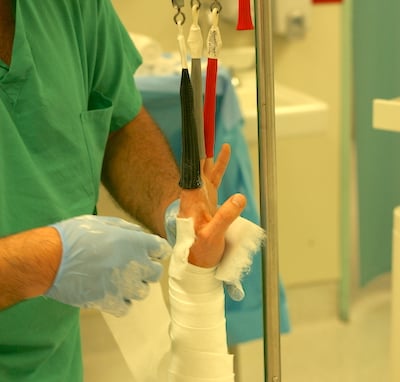
Trick of the Trade: DIY Finger Traps
Distal radius fractures are among the most commonly encountered fractures in the emergency department (ED). They have been reported to account for around 25% of pediatric fractures and up to 18% of fractures in the elderly.1 Reducing minimally displaced distal radius fractures is a procedure that can be greatly facilitated by the presence of finger traps, which help hold traction while you reduce the fracture.2 Often While working in small 5-bed, free-standing emergency department (ED), I found myself needing to perform this vital procedure and finger traps were unavailable. [+]
Blast From the Past: Occult Sepsis, Lactic Acid, and Mortality
Severe sepsis and septic shock affect millions of patients worldwide and have high rates of morbidity and mortality as well as high resource utilization. The way we manage sepsis has changed quite a bit since the Rivers et al randomized controlled trial of early goal-directed therapy (EGDT) 1 , which had an absolute decrease in mortality from 46% with “usual care” to 31% with EGDT. What we now know is that a proactive approach to septic patients will result in lower mortality rates and better outcomes (i.e. early identification, early intravenous fluids, and early antibiotics). Patients with sepsis are still [+]

EM Match Advice: Reflections from the 2015 EM Residency Match
A new season is upon us again — the 2016 EM residency match season! This EM Match Advice video has program directors reflecting back on the 2015 match year, lessons learned, and advice for the 2016 applicants. Watch, learn, digest, and send us some comments. [+]


Introducing the New ALiEMU Capsules Series
We are excited and proud to introduce a new series as part of the recently announced ALiEMU: Capsules: Practical Pharmacology for the EM Practitioner. The Capsules series’ primary focus is bringing Emergency Medicine pharmacology education to the bedside. Our expert team distills complex pharmacology principles into easy-to-apply concepts. It’s our version of what-you-need-to-know as an EM practitioner. We hope you enjoy it. [+]
My ALiEM-EMRA Fellowship: From Finding the FOAM to Lathering the Soap
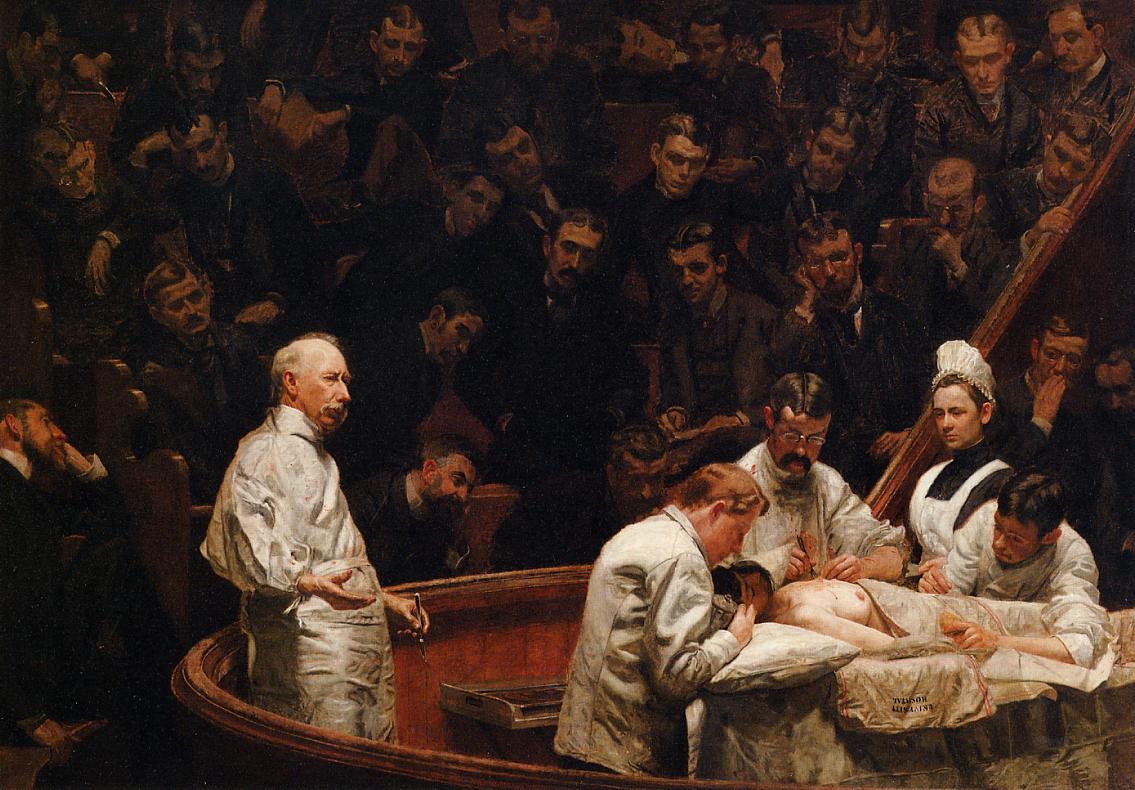
One of my favorite images of medical education is the renowned Eakin’s painting, The Agnew Clinic. It depicts a gilded age operating theater filled with eager pupils looking on as Dr. Agnew prepares to preform a partial mastectomy. Despite being a cross-section of medical training from the late 1880s, any medical trainee today will experience an unspoken bond with those students dutifully taking notes in the tiers of Dr. Agnew’s operating theater. And there is a certain beauty to this lineage of physicians: all of us familiar with the same rite of passage into medicine but separated by a century’s worth [+]

My Year as the ALiEM-CORD Fellow in Social Media and Digital Scholarship
Everyone has a slightly different relationship with technology. For me, it has always been a tool for creativity. Whether working on video, music, or photography – I have spent more hours in front of a computer than I care to admit. I always dreamed about somehow using my experience with media development in a productive way for the medical field, but judging by the doctors who I knew in high school/college (including my parents), my impression was that physicians and the world of the internet would remain forever apart. [+]
AIR Series: Respiratory Part 1 (2015)
We found an enormous amount of posts on respiratory topics and thus have divided the content into two modules. This first module will focus on general respiratory issues with airway and pulmonary embolism covered in the second module. Below we have listed our selection of the 15 highest quality blog posts within the past 12 months (current as of April 2015) related to respiratory, curated and approved for residency training by the AIR Series Board. In this module we have 4 AIRs and 11 Honorable Mentions. We strive for comprehensiveness by selecting from a broad spectrum of blogs from the top 50 listing per the Social Media Index. [+]

Salicylate Toxicity PV card v2: Lessons in post-publication review
I was recently the author of a PV card for management of Salicylate Toxicity, which had some discrepancy with expert opinion. The point of contention was in regards to measurement of urine pH vs serum pH for alkalinization. In preparing the first version of the card, I began with notes from a recent toxicology rotation, and expanded by examining textbooks and review articles. Although there was mention of serum pH measurement, numerous sources emphasized urine alkalinization as the primary endpoint for the treatment of aspirin toxicity. Therefore I choose to include this on the size-limited PV card. Despite review by numerous peers [+]