



Ketamine for Excited Delirium Syndrome
Excited delirium syndrome is defined as “a syndrome of uncertain etiology characterized by delirium, agitation, and hyperadrenergic autonomic dysfunction”.1 You may have encountered a patient like this in the ED or prehospital setting. Although the etiology is impossible to determine in many cases, stimulant abuse and other drugs are involved in a majority of cases. An 8% mortality has been ascribed to Excited Delirium Syndrome, resulting from hyperthermia, severe metabolic acidosis, and cardiovascular collapse. [+]

I am Dr. Rob Woods, Program Director, Medical Advisor, and STARS Transport Physician: How I Stay Healthy in EM
Dr. Rob Woods (@robwoodsuofs) is an individual that is truly committed to self-improvement and, in terms of wellness, he has exceeded. Currently, he is the program director of the University of Saskatchewan FRCPC EM Program, Medical Advisor to Ground Ambulance Services, and a STARS (HEMS) Transport Physician. How he excels in all these jobs and still has time to be known as a loving father and husband, amazing Program Director, and CrossFitter is incomprehensible! But it may have something to do with the fact that he has mastered time management. A great competitor on and off the field, Dr. Woods is never afraid [+]

Dear Residents: 10 Things Your New Chiefs Want You to Know
This month starts our inaugural ALiEM Chief Resident Incubator and this post is the culmination of a 7-day intensive writing project by our 100+ Chief Residents. Incredibly we were impressed by the caliber of writing and insightfulness of our members. Congratulations especially to the lead editors, Dr. Melissa Joseph (LAC+USC) and Dr. Jimmy Lindsey (Univ of Chicago). Looking forward to an exciting year ahead of us! 10 Things Your New Chiefs Want You to Know [+]

Trick of the Trade: IV-Push Antibiotics in the ED
Limited intravenous access is a common conundrum in the Emergency Department, with heavy implications for medication administration. Of particular concern, are the profoundly septic patients that necessitate multiple timely therapies, which require tying up a line – fluids, pressors, several antibiotics, etc. The shift away from less central line (i.e. triple lumen) placement for initial resuscitation, may serve to further exacerbate this issue. [+]
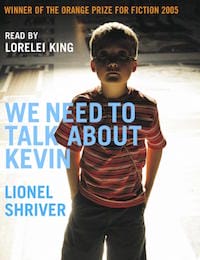
ALiEM Bookclub: We Need to Talk About Kevin
We Need to Talk About Kevin. Yes we do, I’m afraid. You may have been (like me, for many years) avoiding reading this novel by Lionel Shriver, ducking away from discussions and avoiding reviews, having got wind of the gist of the story through the mass media. To summarise the book, We Need to Talk About Kevin by Lionel Shriver is written in the form of letters penned by Eva Khatchadourian to her estranged husband Franklin. These missives form a chronological examination of her life before and after the entrance of their son Kevin into their lives (or perhaps, more [+]
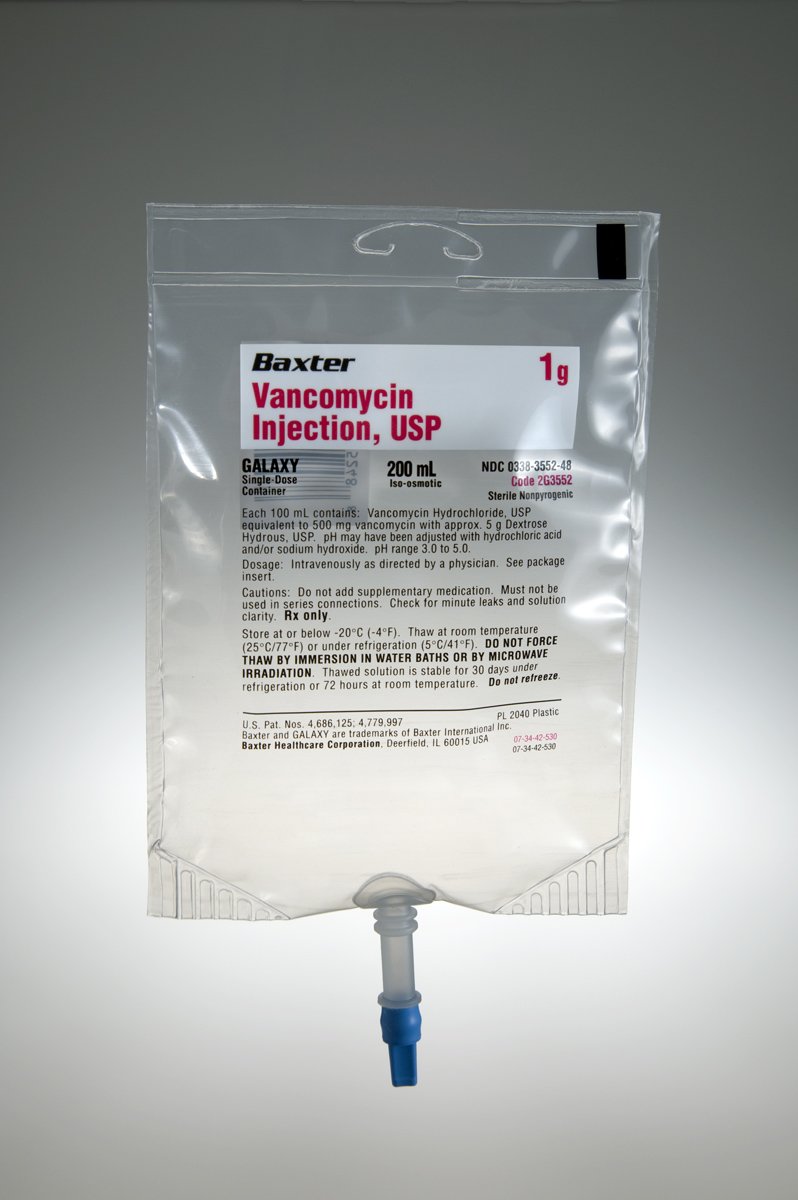
Vancomycin Loading Doses in Pediatric Patients: A Missed Opportunity?
In January 2014, ALiEM featured a must-read post by Bryan Hayes regarding proper dosing of vancomycin in the emergency department, including a special note related to the recommendations regarding consideration of loading doses of vancomycin ranging from 25 to 30 mg/kg in adult patients who are critically ill with a high suspicion for MRSA infection. [+]

I am Dr. Ben Smith, Director of Emergency Ultrasound at University of Tennessee, Chattanooga: How I Work Smarter
If anyone in this series deserves the title of true “life hacker”, it’s Dr. Ben Smith (@UltrasoundJelly). A nuclear engineer turned emergency physician, you’ll see it is apparent he takes an engineer’s approach to productivity. In the clinical/education world, he is the Director of Emergency Ultrasound and the Associate Residency Director at University of Tennessee, Chattanooga. He’s a contributing member of FOAM via several websites, including ultrasoundoftheweek.com and 5minsono.com. Although we may not all have the braun to manage our own server infrastructure to host FOAM sites (which Dr. Smith does), he breaks down some simple tips you can use to [+]

I am Dr. Melody Ong, Emergency Medicine Resident: How I Stay Healthy in EM
Dr. Melody Ong is an emergency medicine resident finishing up her first year of residency. I had the pleasure of meeting her while on residency interviews last year and we hit it off! As we share similar interests, personalities, and opinions on wellness, I knew she would have something to contribute to say about staying healthy. Whether it be traveling to the World Cup to indulge in her favorite sport, or trekking through Patagonia in Southern Argentina, Dr. Ong strives to practice wellness even on her days off. Within her PGY-1 year, she has been able to consistently make time for all the [+]

MEdIC Series | The Case the FOAM Faux Pas – Expert Review and Curated Commentary
The Case of the FOAM Faux Pas has stimulated interesting discussion over the past week. The FOAM community clearly was interested in discussing this issue, and it most definitely showed. We are now proud to present to you the Curated Community Commentary and our two expert opinions. Thank-you again to all our experts and participants for contributing again this week to the ALiEM MEdIC series. [+]
AIR Series: GU/Renal Module 2015
Welcome to the eighth ALiEM Approved Instructional Resources (AIR) Module! In an effort to reward our residents for the reading and learning they are already doing online we have created an Individual Interactive Instruction (III) opportunity utilizing FOAM resources for U.S. Emergency Medicine residents. For each module, the AIR board curates and scores a list of blogs and podcasts. A quiz is available to complete after each module to obtain residency conference credit. Once completed, your name and institution will be logged into our private database, which participating residency program directors can access to provide proof of completion. [+]