



5 Scheduling Software Options in the Emergency Department: An In-Depth Review
From the dawn of Emergency Medicine, the tradition of schedule creation has been an arduous task handed down from chief to chief. Only the most masochistic of individuals dared to rise to the challenges inherent in planning shift coverage around the concerts, reunions, and weddings of their closest peers. Luckily, as design and technology continue to advance, an increasing number of software options have become available to help assist the Scheduler in his or her duties. The software options have dramatic variations in price, interface, and capabilities. The inaugural ALIEM Chief Resident Incubator team hopes to shed some light on the [+]

Trick of the Trade: Ear foreign body removal with modified suction setup
A 5 year old boy comes in who has stuck a small unpopped popcorn kernel into each ear. My resident and I discuss different methods to try to get it out including an ear curette, tissue glue, suction, and calling the ear-nose-throat (ENT) specialist. The ear curette won’t work to get around and the kernels are smooth and hard to grasp and might cause trauma with swelling or bleeding. We quickly excluded irrigation because the kernel might swell more. Another method considered was a drop of tissue adhesive onto a q-tip stick to adhere onto the foreign body (FB) for extraction. We were a little leary [+]

I am Dr. Azita Hamedani, Founding EM Department Chair at University of Wisconsin: How I Work Smarter
Today we have the privilege of hearing from Dr. Azita G. Hamedani MD, MPH, MBA, founding chair of the Department of Emergency Medicine at the University of Wisconsin School of Medicine and Public Health (UWSMPH). Under her leadership, the department has grown exponentially, growing from 6 to 36 residents, from 14 to 45 faculty while experiencing a 100% increase in patient volume. For showing exemplary skills in leadership, clinical quality, operations and healthcare finance she has been awarded – amongst other awards – both ACEP’s Outstanding ED Medical Director of the Year Award and the Association of Women in Academic [+]

I am Dr. Kathryn Dong, Director of ARCH and Inner City Health and Wellness: How I Stay Healthy in EM
Dr. Kathryn Dong (@kathryndong) is no stranger when it comes to keeping well! Currently, she is the Director of the Inner City Health and Wellness Program and the Addiction Recovery Community Health (ARCH) Team. She also keeps busy with her 3 boys, who keep her active and on her toes! Dr. Dong’s inspiring work with inner city populations, has given her a welcoming perspective on the value of community. Here, she shares her thoughts on how to maintain mental wellness and keep mentally in check. Take a look at how she stays healthy in emergency medicine! [+]

Ultrasound For The Win! Case – 76M with Right-Sided Vision Loss #US4TW
Welcome to another ultrasound-based case, part of the “Ultrasound For The Win!” (#US4TW) Case Series. In this case series, we focus on a real clinical case where bedside ultrasound changed the management or aided in the diagnosis. In this case, a 76-year-old man presents with sudden-onset right-sided vision loss. [+]
![Shuhan He, [+]</p></body></html>](https://www.aliem.com/wp-content/uploads/2020/03/Shuhan_He_MD.jpg)

ALiEM Bookclub: The White Coat Investor
“What’s the good life? My definition is a life free from financial worries, a career where you make a real contribution to society, a few luxuries along the way, the ability to help others financially throughout your life, and a comfortable retirement at a time of your choosing.” – Dr. James Dahle, author of The White Coat Investor [+]
![Maggie [+]</p></body></html>](https://www.aliem.com/wp-content/uploads/image2.jpg)

I am Dr. Reuben Strayer, Emergency Physician and Author of EMUpdates.com: How I Work Smarter
After a long break, we are back with a heavy hitter: Dr. Reuben Strayer (@emupdates). He is the author of EMUpdates.com, a treasure trove of emergency medicine wisdom. Highlights include a set of genuinely useful checklists, many airway pearls, an approach to opioid misuse in the ED, and much much more. Dr. Strayer regularly speaks at national and international conferences with a focus on airway management, ketamine, and clinical quality. Beyond his contributions to medical education, Dr. Strayer is regarded by his peers as an exceptional clinician. It is this editor’s opinion that this stems in part from a truly thoughtful [+]

I am Dr. Mahmood Hasan, Emergency Medicine Resident: How I Stay Healthy in EM
Dr. Mahmood Hasan is an individual who truly reflects the idea of “eat clean and train mean”. Now a second year resident from McGill University, Mahmood uses exercise and his social supports to help him destress from the demands of residency. Here he shares his tips for planning work outs and meals, while trying to juggle a busy schedule. Check out how he stays healthy in EM! [+]
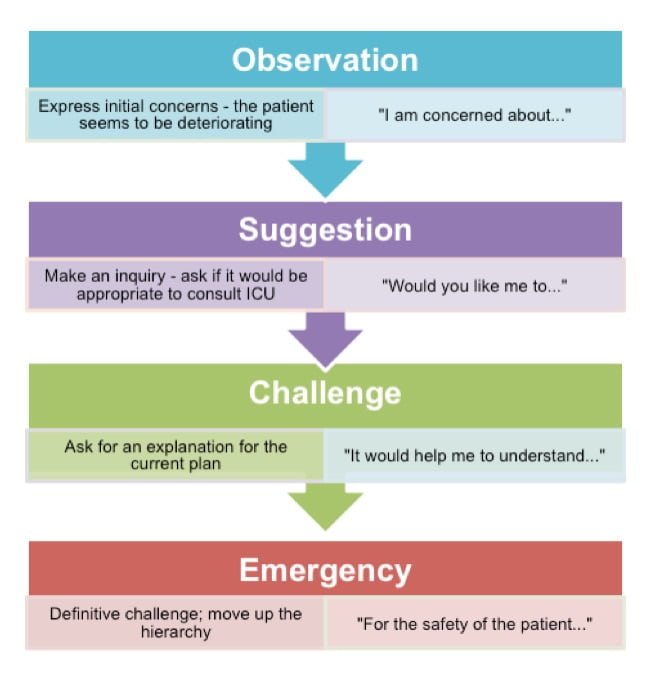
MEdIC Series | The Case of the Unseasoned Senior – Expert Review and Curated Commentary
Last week, we launched one of the cases which was developed at the ALiEM MEdIC workshop at SMACC 2015. The Case of the Unseasoned Senior brought together learners, teachers, and colleagues from across many disciplines and specialties to discuss professional responsibilities, autonomy, and clinical supervision. We are now proud to present to you the Curated Community Commentary and our 2 expert opinions. Thank-you again to all our experts and participants for contributing again this week to the ALiEM MEdIC series. [+]

Utility of Pre-4-Hour Acetaminophen Levels in Acute Overdose
Case Presentation: A 37 y/o woman presents to the ED with altered mental status. The vital signs are within normal limits. The history is provided by a friend who states that the patient was normal 2 hours ago when they were together. When she returned home, she found the patient in this state next to an empty bottle of acetaminophen (APAP) and 5 empty beer cans. A recent loss in the family has led to some depression in the last few weeks. A battery of labs are sent off including a ‘tox panel’ consisting of serum EtOH, salicylate, and APAP levels. The presumed time of [+]