


I am Dr. Jennifer Stahl, EM and Critical Care Physician: How I Stay Healthy in EM
Dr. Jennifer Stahl is an emergency and critical care physician from North Carolina. Despite juggling busy ED and ICU schedules, Dr. Stahl finds ways to stay active and spend time with her family and friends. From eating well, to practicing reflection and mindfulness, Dr. Stahl has more than a few tips on wellness. Here’s how she stays healthy in EM! [+]
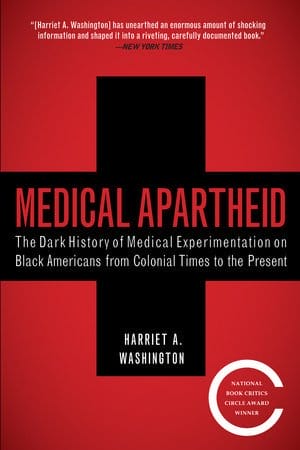
ALiEM Book Club: Medical Apartheid
Rallies by white supremacists in Charlottesville, VA and the subsequent milquetoast response from the White House shocked many Americans. These events invoked a national discussion about how many of our public monuments, built to celebrate triumphs and critical moments from our country’s past, can also exhibit appalling acts of malevolence and cruelty, treatment that today is unacceptable. Similarly, our understanding of medical history has evolved. While many of us are aware of particular atrocities, such as the Tuskegee study or the nonconsensual obtaining of Hela cells from Henrietta Lacks, these stories are by no means isolated, and there are times in [+]
2018-2019 ALiEM Faculty Incubator: 6 Reasons To Get Excited!
The ALiEM Faculty Incubator is thrilled to announce that applications are now open for its THIRD year! We plan to build on the success of the last 2 years to create the best Faculty Incubator yet. The deadline to apply is Sunday, February 18 at 5 pm EST. Check out 6 reasons to get excited below: [+]
![Sara M. Krzyzaniak, [+]</p></body></html>](https://www.aliem.com/wp-content/uploads/2015/12/Sara-Krzyzaniak-circle-150.png)
Top 10 ALiEM Clinical Posts in 2017
Seasons greetings from the ALiEM team. We have published so many posts this year that you may have missed a few. Did you at least catch the top 10 ALiEM clinical posts in 2017? These are the most-viewed posts in the past calendar year. From nerve blocks, to managing epistaxis, head bleeds, and providing post-ROSC care – check these out as you ring in the New Year! [+]
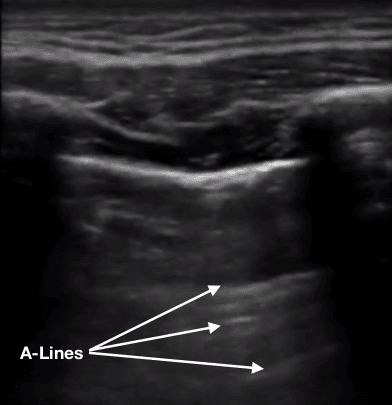
PEM Pearls: Pediatric Lung Ultrasound for Diagnosing Pneumonia | The Wave of the Future
The standard for diagnosing pneumonia is a combination of the clinical history, physical examination, and chest x-ray (CXR) findings. However, lung ultrasound (US) has been shown to be a reasonable alternative to CXR in children, and may be an appropriate alternative diagnostic imaging modality in the Emergency Department (ED). [+]

Jessica Zhang, MD
University of California San Francisco

60 Second Soapbox: Autoimmune Disease, Ultrasound Teaching, 3rd Nerve Palsy
It’s time for another installment of 60 Second Soapbox! Each episode, 1 lucky individual gets exactly 1 minute to present their rant-of-choice to the world. Any topic is on the table – clinical, academic, economic, or whatever else may interest an EM-centric audience. We carefully remix your audio to add an extra splash of drama and excitement. Even more exciting, participants get to challenge 3 of their peers to stand on a soapbox of their own! [+]

2017 Annual Report: Inspiration and Ideas
ALiEM has generated an annual report every year since 2013 to summarize our team’s work, and reflect on both the organizational goals we have met and accomplishments we have achieved. 2017 is no different. Under the leadership of Dr. Michelle Lin, ALiEM has grown to become an international organization with over 80 volunteers, all helping to write for the blog and contribute to projects like ALiEMU, the MEdIC Series (in its fifth year), the Chief Resident Incubator (in its third year), Faculty Incubator (in its second year), and the new Wellness Think Tank. We share this report to update our audience and volunteers on all [+]
AIR Series: Gastrointestinal 2017
Welcome to the Gastrointestinal Module! After carefully reviewing all relevant posts from the top 50 sites of the Social Media Index, the ALiEM AIR Team is proud to present the highest quality online gastrointestinal content. 8 blog posts related to gastrointestinal emergencies within the past 12 months (as of September 2017) met our standard of online excellence and were curated and approved for residency training by the AIR Series Board. We identified 1 AIR and 7 Honorable Mentions. We recommend programs give 3 hours (about 22.5 minutes per article) of III credit for this module. [+]
MEdIC Series: Case of the M&M Shame Game – Expert Review and Curated Community Commentary
Our third case of season 5, The Case of the M&M Shame Game, presented the scenario of a junior faculty member who had significant reservation about presenting at M&M Rounds after a colleague’s recent “public shaming.” The MEdIC team (Drs. Tamara McColl, Teresa Chan, Sarah Luckett-Gatopoulos, Eve Purdy, John Eicken, Alkarim Velji, and Brent Thoma), hosted an online discussion around the case over the last 2 weeks with insights from the ALiEM community. We are proud to present to you the curated commentary and our expert opinions. Thank-you to all participants for contributing to the very rich discussions surrounding this case! [+]
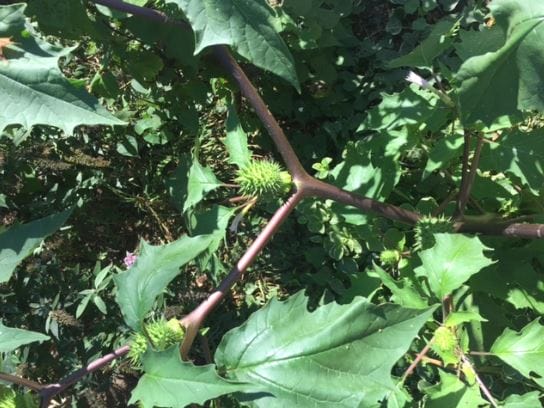
ACMT Toxicology Visual Pearls: Toxic “Weed”
A patient presents to the ED after eating seeds from a plant to “get high.” What toxidrome is expected after ingesting these seeds? Antimuscarinic Cholinergic Nicotinic Opioid Sympathomimetic [+]

Director of Growth, Strategic Alliance Initiative, Center for [+]