



ECMO for ARDS: Key Pearls for Emergency Physicians from the EOLIA Trial
The role of extracorporeal membrane oxygenation (ECMO) in the management of acute respiratory distress syndrome (ARDS) has been a source of debate within the critical care community.1 The use of ECMO has steadily increased over the past decade;2 however, evidence to support the widespread adoption of this expensive and invasive technology is limited. As advances in ECMO technology have rapidly outpaced evidence, clinicians have been left to speculate as to ECMO’s true value. Is ECMO a promising tool to advance the care of patients with respiratory failure3 or an expensive distraction that has inappropriately supplanted evidence-based strategies?4 All who care [+]
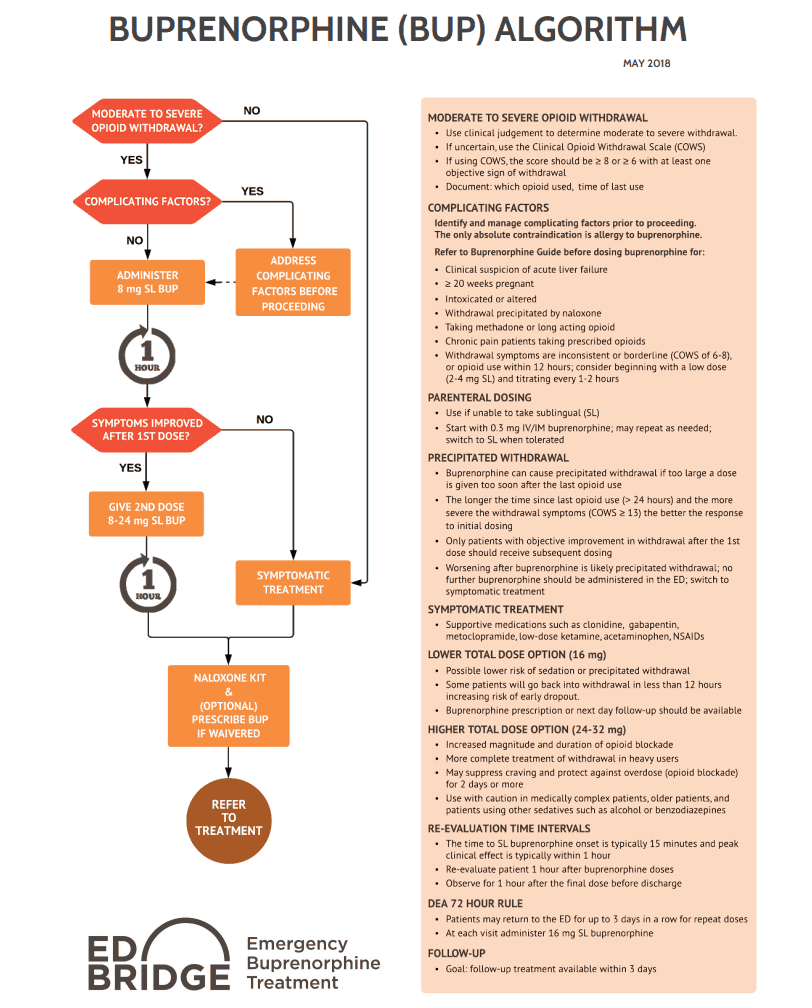
Treating Opioid Withdrawal in the ED with Buprenorphine: A Bridge to Recovery
The Emergency Department (ED) is the frontline of the opioid crisis, treating patients with opioid-related infections, opioid withdrawal, and overdose. These encounters can be difficult or even downright confrontational. But that does not have to be the case! With the use of buprenorphine, we can “flip the script” for these encounters, encouraging patient-provider collaboration in the treatment of opioid addiction as medical disease. [+]

Mac [+]
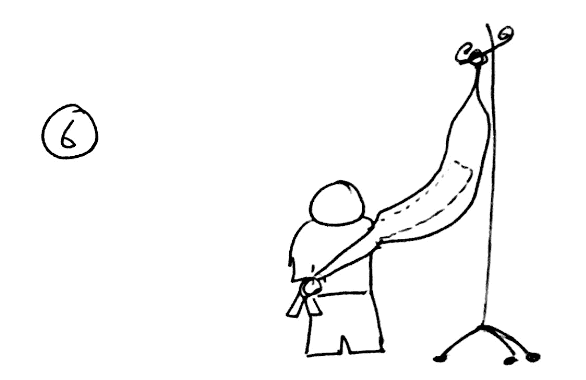
Trick of the Trade: DIY Skyhook for Upper Extremity Swelling
A 25 year-old male presents to the ED complaining of left upper extremity pain, redness, and swelling. His cat bit him 2 days ago and his symptoms started today. On exam he has impressive induration, erythema, and warmth to the dorsum of the hand and forearm. He is neurovascularly intact and able to range his joints freely. In addition to IV antibiotics, you would like to keep his arm elevated while in the hospital. What is an easy and simple way help ensure that this patient keeps his arm elevated? [+]

MEdIC Series: The Case of the Overwhelmed Senior Resident
Welcome to season 5, episode 8 of the ALiEM Medical Education in Cases (MEdIC) series! Our team (Drs. Tamara McColl, Teresa Chan, Eve Purdy, John Eicken, Sarah Luckett-Gatopoulos, Alkarim Velji, and Brent Thoma) is pleased to welcome you to our online community of practice where we discuss the practice of academic medicine! This month, we present a case of a senior resident who is overwhelmed when left to manage a busy department on a night shift while his attending physician is asleep in the back room. The resident debates whether to wake his attending and ask for help, as he worries this may be a sign of [+]

PEM Pearls: Red Flags for Child Abuse – Case 2
Fractures are a common sign of abuse. It is impossible to tell from an x-ray alone whether or not a fracture is due to abuse. Fractures of the extremities are the most common skeletal injury in children who have been abused and approximately 80% of fractures due to abuse occur in children under 18 months old.1 In non-mobile children, rib fractures, long bone fractures, and metaphyseal fractures have a high correlation with child abuse. An understanding of the motor development of young children can aid physicians in the identifying fractures due to abuse. [+]
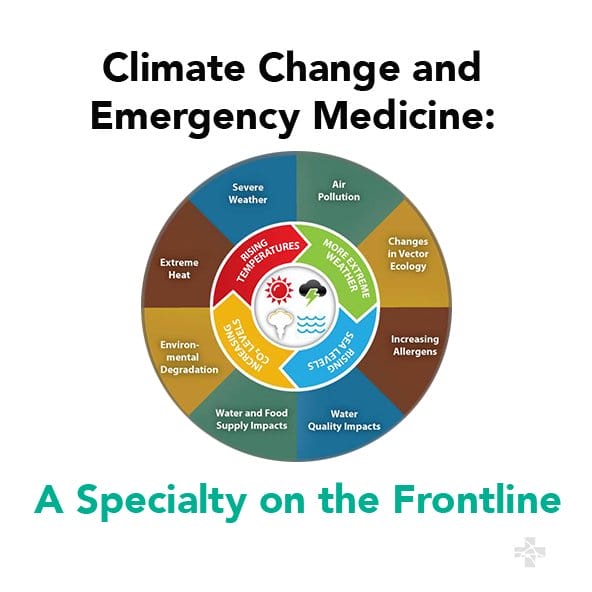
Climate Change and Emergency Medicine: A Specialty on the Frontline
Emergency medicine (EM) is on the frontlines of climate change, which the Lancet Commission declared “the biggest global health threat of the 21st century” with “potentially catastrophic risk to human health.”1,2 Climate change is having broad and profound negative impacts on the health of our patients, especially for the vulnerable populations. It is also affecting our healthcare systems and mandating the creation of climate-resilient emergency departments (ED) with robust disaster preparedness. EM needs to engage climate change advocacy efforts for 2 key reasons. It has a profound impact on our specialty, and it is built into the moral fiber of [+]

Ketamine for Severe Ethanol Withdrawal: A New Hope?
Ethanol withdrawal is a complex disease state. Two of the main players are GABA (an inhibitory neurotransmitter) and glutamate (an excitatory transmitter that can act on NMDA receptors). Simplistically, chronic ethanol use leads to a down-regulation of GABA receptors and an up-regulation in glutaminergic receptors, such as NMDA. When ethanol is abruptly discontinued, we are left with a largely excitatory state with less ability for GABA-mediated inhibition and more capacity for NMDA/glutamate-mediated excitation. While much of the treatment of severe ethanol withdrawal is focused on GABA, there are agents, such as phenobarbital and propofol, that can suppress the glutaminergic response. [+]

MEdIC Series: The Case of the Orphaned Patient – Expert Review and Curated Community Commentary
Our seventh case of season 5, The Case of the Orphaned Patient, presented the scenario of a junior orthopedic surgery resident rotating in the ED and receiving significant pushback when trying to transfer the care of a clinically deteriorating patient to a more appropriate service. The outcome of this pushback was a patient without a service feeling primarily responsible for further care, leaving the patient “orphaned” in the ED. If you haven’t had a chance yet, we urge you to check out the case and share your thoughts on this important topic! The MEdIC team (Drs. Tamara McColl, Teresa Chan, Sarah Luckett-Gatopoulos, Eve [+]

How Competitive was Emergency Medicine in the 2018 Match? The answer might surprise you.
The National Residency Matching Program® (NRMP) recently published its annual Results and Data for the 2018 Main Residency Match®. How competitive was emergency medicine (EM)? Spoiler alert: not much changed! But to understand the full picture, we need to dive into the numbers, which look a lot different from last year. Below is a summary of the most pertinent results for EM, trended from 2011-2018. You will notice some striking differences in the data between the 2017 Match and the 2018 Match. [+]

Confronting Stress Before and After High Acuity Shifts: A Discussion with Performance Psychologist Dr. Jason Brooks
It’s almost the end of your sixth shift in a row. You are trying to finish up notes when you hear an overhead page. You find yourself in the middle of a pediatric code that has a poor outcome and you have 5 minutes to spend with the family before being pulled into another patient’s room. You have no time to address the difficult case you just encountered. As an emergency physician, this may happen on a daily basis but some cases hit closer to home. How do you recover after these shifts, and how do you prepare for the [+]