


 After getting many requests for more PV cards, we are excited to launch 13 new topics located in the Cardiovascular folder of the Emergency Medicine: PV Cards collection on
 Blood Cultures in Pneumonia
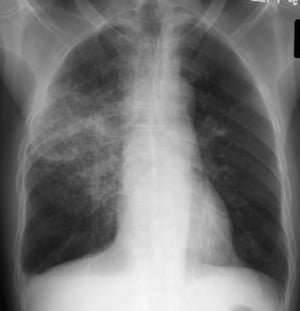 A 75 year old woman is found to have pneumonia. With a CURB-65 of 3 and a PORT score of 95, she is correctly treated her for community acquired pneumonia with Ceftriaxone and Azithromycin, and admitted. Unfortunately, the admitting service points out that no blood cultures were drawn! What is the evidence for this?
Originally from Clinical Monster blog
Cyclobenzaprine vs TCA Toxicity
 Should we treat a cyclobenzaprine (Flexeril) overdose similar to a tricyclic antidepressant (TCA) overdose? With the only difference between the commonly prescribed muscle relaxant, cyclobenzaprine, and the TCA amitriptyline consisting of a single double bond, should the emergency provider be concerned for life threatening arrhythmias in cyclobenzaprine overdose?
When the PERC Rule Fails
 Kline et al developed a clinical decision tool based on parameters that could be obtained from a brief initial assessment to reasonably exclude the diagnosis of pulmonary embolism (PE) without the use of D-dimer in order to prevent unnecessary cost and the use of medical resources. 1 Many of us have used the Pulmonary Embolism Rule-out Criteria (PERC) rule by now, but we should be clear on what it includes. Are we using it appropriately?
AMA: 2 high risk myths and misconceptions
 Patients who leave the emergency department against medical advice (AMA) are at an increased risk of having a bad medical outcome, and can be a source of significant medicolegal risk to providers. Earlier we reviewed eight elements to address when signing a patient out AMA. There are two common myths regarding patients who leave AMA that can complicate an already difficult situation.
BISAP, EHMRG, ORT: 3 New Medical Scores You’ve Never Heard Of
 Let’s face it. You’ve heard about the A-a gradient. And free water deficit. And even the APACHE-II score. But how useful are these in your daily practice? You don’t care that much if a patient has shunt physiology in the first case, nor exactly how much free water they’re lacking in the second. And in the third case, your clinical acumen is probably pretty good at predicting a sick patient’s mortality already. But what about the new medical scores of BISAP, EHMRG, and ORT?
Blood Pressure Management in Adults (JNC 8 and ACEP Policy)
 Hypertension is one of the most common conditions seen in primary care clinics and emergency departments (EDs). Frequently, patients are found to have asymptomatic hypertension and referred to EDs for management, despite the fact that rapidly lowering blood pressure is not necessary and may be harmful. Yet many clinics still refer these patients for emergent management. In December 2013, the Eighth Joint National Committee (JNC 8) published a new, open-access, evidence-based hypertension guideline in JAMA. They only cited randomized clinical control trials to answer three questions:
- Does initiating antihypertensive pharmacologic therapy at specific BP thresholds improve health outcomes?
- Does treatment with antihypertensive pharmacologic therapy to a specified BP goal lead to improvements in health outcomes?
- Do various antihypertensive drugs or drug classes differ in comparative benefits and harms on specific health outcomes? (more…)