


Upper Gastrointestinal Bleeding: Evidence-Based Treatment
 Upper gastrointestinal bleeding remains a common reason for emergency department visits and is a major cause of morbidity, mortality, and medical care costs. Often when these patients arrive, the classic IV-O2-Monitor is initiated and hemodynamic stability is assessed. Some of the next steps often performed include:
- Determination of the site and rate of bleeding (upper vs lower)
- Initiation of proton pump inhibitors (PPIs)
- Somatostatin analogs if variceal bleeding is suspected
- Prophylactic antibiotics
- Packed red blood cell (PRBC) transfusion for low hemoglobin and hematocrit levels
What is the evidence for these treatments, and do they affect morbidity and mortality?



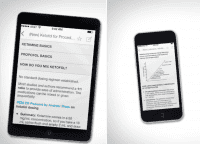 Don’t know when to use ketofol for procedure sedation or if you can rapidly load phenytoin? See the new PV-Plus Cards on AgileMD for free on any smartphone/tablet/desktop. Other topics include:
 It seems like a simple enough question: How do you diagnose and treat uncomplicated UTIs in older adults? The answer is: It depends. Part 1 of this post will discuss diagnosis of UTIs in this population, and part 2 will address treatment.