



From Collision to Clarity: PECARN cervical spine injury prediction rule for injured children
For years, adult literature has provided clear guidelines for cervical spine imaging through the NEXUS and Canadian C-spine Rule (CCR) tools. These have been invaluable in helping clinicians decide when to image the neck in trauma patients. Similarly, the Pediatric Emergency Care Applied Research Network (PECARN) has developed robust tools for assessing blunt head trauma in children. However, until now, there has been a gap in guidance for clinicians managing pediatric patients at risk for cervical spine injuries. Case Scenario: What would you do? A 10-year-old boy presents to the emergency department (ED) after a high-speed motor vehicle collision. [+]

ACMT Toxicology Visual Pearls: Lye to the Eye
What caustic exposure from the pictured item can lead to ocular injury? Acetic Acid Hydrofluoric Acid Potassium Hydroxide Sodium Hydroxide [Image from Istockphoto] [+]

Hannah Corral, MD
Carolinas Medical Center, Charlotte, NC
Latest posts by Hannah Corral, MD (see all)
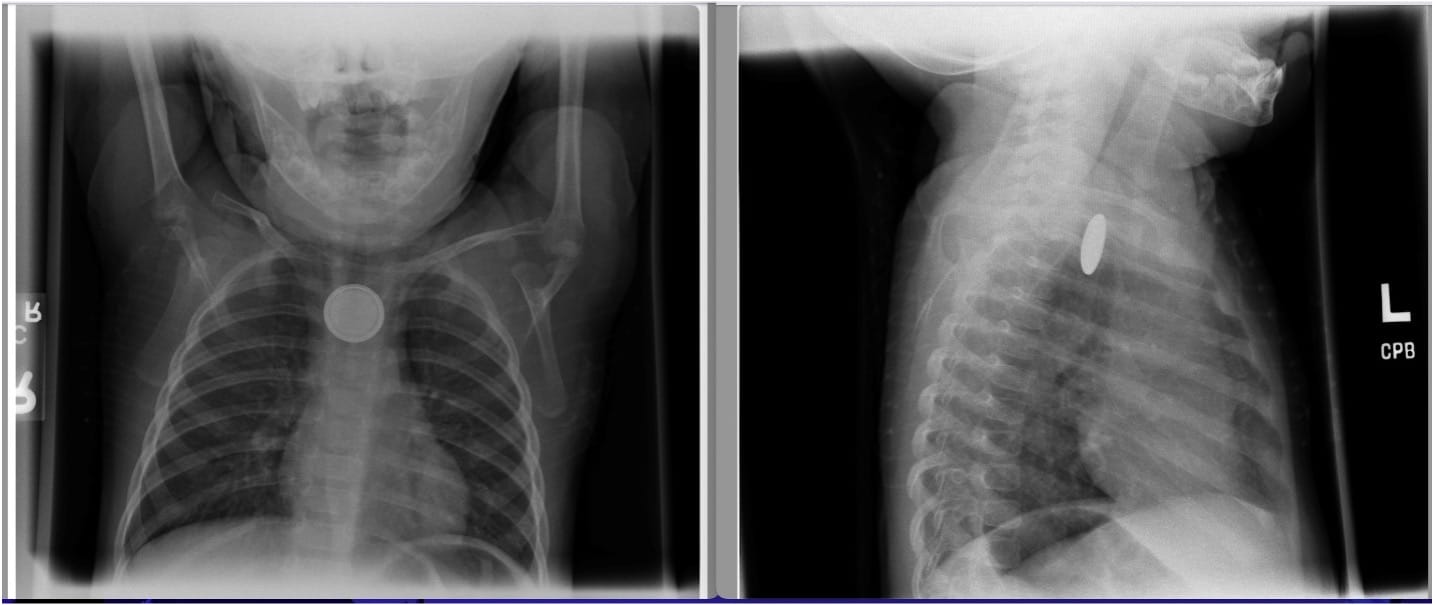
ACMT Visual Pearl: Watt – Ever is that Foreign Body?
Which type of foreign body should be suspected in a child who is drooling and has the following x-ray? Button battery Coin Magnet Marble [+]

Carrie Bissell, MD
Carolinas Medical Center, Charlotte, NC
Latest posts by Carrie Bissell, MD (see all)
PEM POCUS Series: Soft Tissue Ultrasound
Read this tutorial on the use of point of care ultrasonography (POCUS) for pediatric soft tissue ultrasonography. Then test your skills on the ALiEMU course page to receive your PEM POCUS badge worth 2 hours of ALiEMU course credit. Take the ALiEMU PEM POCUS: Soft Tissue Quiz Case Goals List the indications of performing a pediatric soft tissue point-of-care ultrasound (POCUS). Describe the technique for performing soft tissue POCUS. Interpret signs of cellulitis, abscess, and soft tissue foreign body on POCUS. Describe the limitations of soft tissue POCUS. Differentiate abscess from other soft tissue pathologies [+]

ALiEM AIR Series | Psychosocial Module 2024
Welcome to the AIR Psychosocial Module! After carefully reviewing all relevant posts in the past 12 months from the top 50 sites of the Digital Impact Factor [1], the ALiEM AIR Team is proud to present the highest quality online content related to related to psychosocial emergencies in the Emergency Department. 3 blog posts met our standard of online excellence and were approved for residency training by the AIR Series Board. More specifically, we identified 1 AIR and 2 Honorable Mentions. We recommend programs give 1 hours of III credit for this module. AIR Stamp of Approval and Honorable [+]

ALiEM AIR Series | Renal Module (2023)
Welcome to the AIR Renal/GU Module! After carefully reviewing all relevant posts in the past 12 months from the top 50 sites of the Digital Impact Factor [1], the ALiEM AIR Team is proud to present the highest quality online content related to related to renal / GU emergencies in the Emergency Department. 6 blog posts met our standard of online excellence and were approved for residency training by the AIR Series Board. More specifically, we identified 3 AIR and 3 Honorable Mentions. We recommend programs give 3 hours of III credit for this module. AIR Stamp of Approval [+]
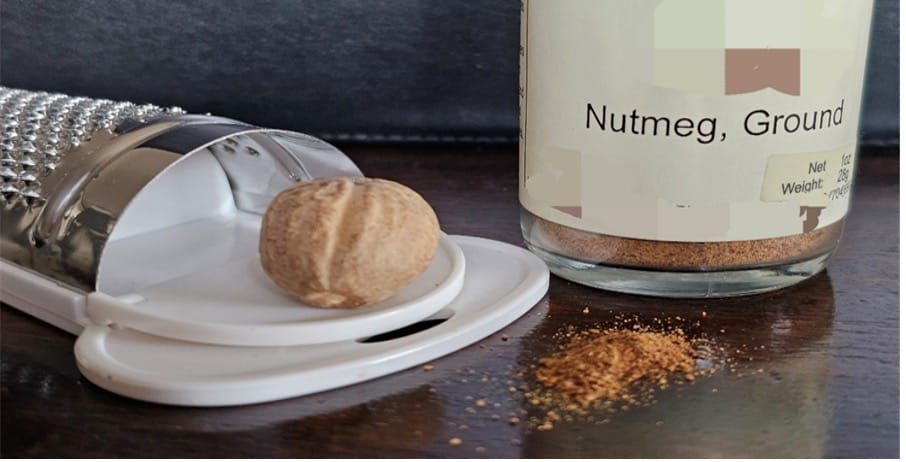
ACMT Toxicology Visual Pearls: The Kitchen Cabinet High
What is the primary toxin in the substance above? Solanine Myristicin Lysergic acid amide Phytolacca toxin [+]

Steven M. Perry, MD
Atrium Health’s Carolinas Medical Center, Charlotte, NC
Latest posts by Steven M. Perry, MD (see all)

Top 3 SOAR Blog Posts on Pediatric Respiratory Infectious Disease
There has been a well-documented growth in the use of FOAM in graduate medical education [1-4]. The decentralized nature of FOAM along with concerns with the lack of peer review make the assessment of the quality of information difficult. Several years ago, a group of physicians set out to solve these problems by modifying the traditional systematic review format, and created the Systematic Online Academic Resource (SOAR) review. The SOAR review aims to “systematically identify online resources by topic…[and] assess the quality of these resources with a validated tool, and collate links.” [5] Our review, "Systematic online academic resource [+]

Pigtail catheter for pleural drainage: Tips to minimize complications
Traditionally large-bore tube thoracostomy has been the standard of care for treating many acute intrathoracic pathologies [1]. However, the advent of less invasive small-bore chest tubes, also known as pigtail catheters, has gradually led to a paradigm shift. Pigtails provide a less invasive and often better tolerated alternative to traditional chest tubes and allow for adequate treatment of pneumothoraces and uncomplicated pleural effusions [1-5]. Unfortunately, these less invasive catheters are not without complications - both unique and similar to traditional chest tubes. Case A 48 year-old male with a history of hypertension and polysubstance abuse presented to the emergency [+]
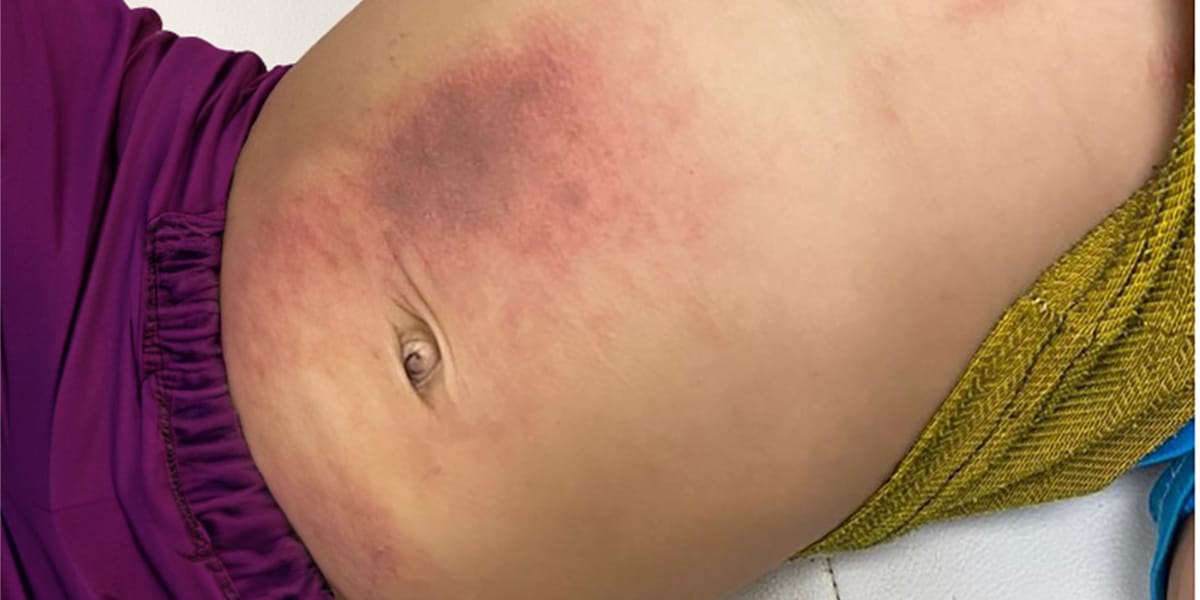
ACMT Toxicology Visual Pearl: Abdominal Bruising
What could cause this finding three days after ingestion of a concentrated household substance? Duodenal ulcer Gastric perforation Necrotizing enterocolitis Post-corrosive acute pancreatitis [+]

Maha M Farid MBBCh, MSc, PhD
Faculty of Medicine
Helwan University, Egypt

Director of Growth, Strategic Alliance Initiative, Center for Innovation and Digital Health
Massachusetts General Hospital;
Chief Scientific Officer, Conductscience.com
Latest posts by Shuhan He, MD (see all)
- The Discharge Severity Index: Early Research on ED Readmission Risk Assessment - August 14, 2025
- Suboxone and the Emergency Physician: Get Waivered Training - August 12, 2022
- A Tale of Two Epidemics: COVID-19 and the Opioid Crisis - April 23, 2020