



ALiEM AIR Series | HEENT Module (2025)
Welcome to the AIR HEENT Module! After carefully reviewing all relevant posts in the past 12 months from the top 50 sites of the Digital Impact Factor [1], the ALiEM AIR Team is proud to present the highest quality online content related to related to HEENT emergencies in the Emergency Department. 4 blog posts met our standard of online excellence and were approved for residency training by the AIR Series Board. More specifically, we identified 2 AIR and 2 Honorable Mentions. We recommend programs give 2 hours of III credit for this module. AIR Stamp of Approval and Honorable Mentions [+]
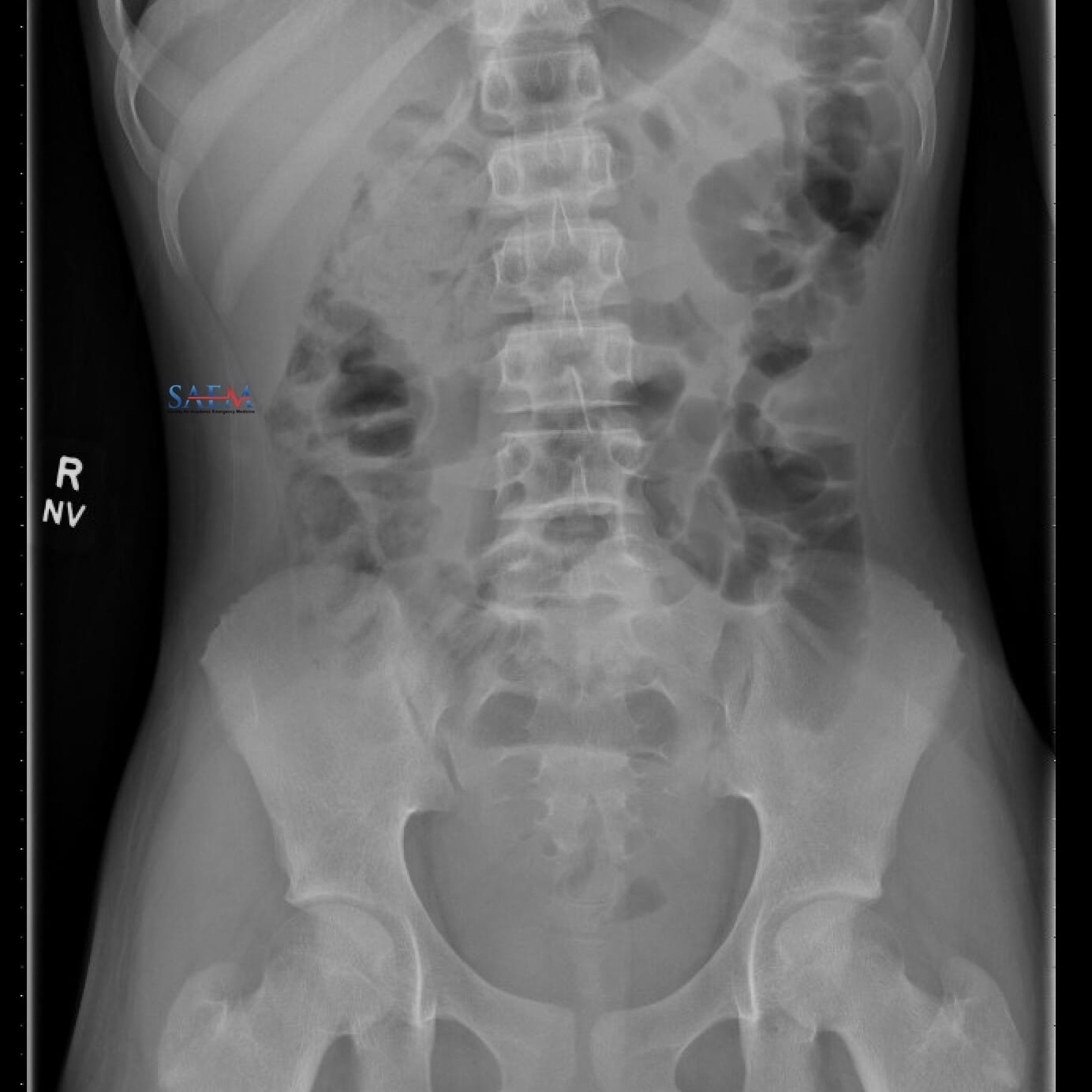
SAEM Clinical Images Series: Alternative Block
A 10-year-old female with a history of constipation presented with intermittent lower abdominal pain with difficulty urinating. Pain was in the suprapubic area. The patient stated she last urinated the morning of presentation and typically urinates 1-2 times a day. She reported that it is sometimes hard to initiate urination and that she has pain at the conclusion of urination. She typically takes MiraLAX daily for constipation but ran out one week ago. She denied fever, chills, nausea or vomiting. Constitutional: Awake, alert and in no acute distress. HEENT: PERRLA. Moist mucus [+]
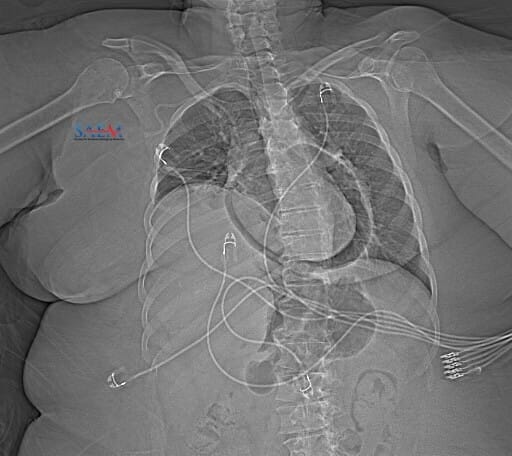
SAEM Clinical Images Series: Short of Breath and Short on Time
A 62-year-old female presented with shortness of breath that started two days ago which she described as mild to moderate, worse with activity. She denied chest pain, abdominal pain, fever, diaphoresis, syncope, cough, wheezing, sputum production, or emesis. Past medical history was significant for rectal adenocarcinoma metastatic to liver. She was status post radioembolization of liver metastasis from the left lobe and her last chemotherapy was approximately one month prior to presentation. Vitals: T 36.5°C; BP 87/57; HR 91-115; RR 12; O2 sat 94% on 2L NC General: Ill-appearing. Cardiovascular: Normal rate [+]
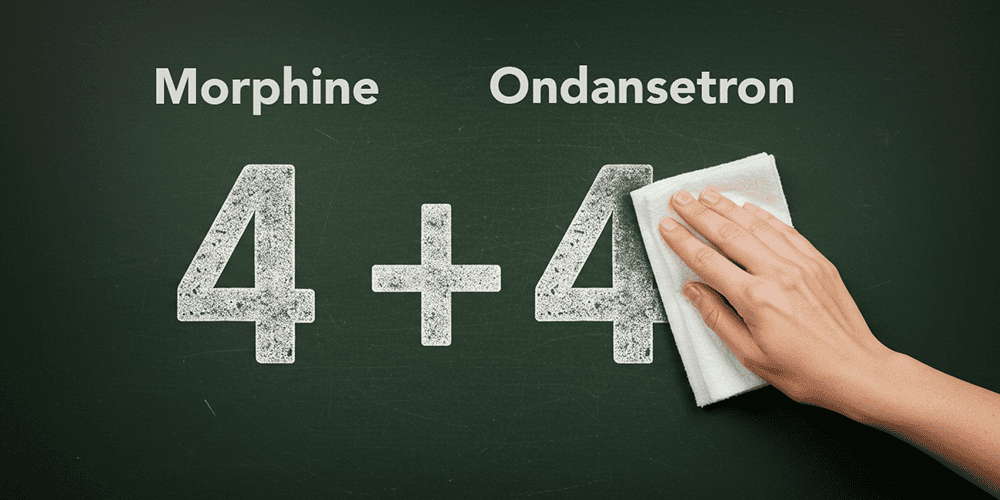
Is Ondansetron for Nausea and Vomiting Prophylaxis Necessary with Opioids?
Ondansetron is the most documented medication given in emergency departments (ED) throughout the United States [1]. We have all heard someone ask, “Can I get an order for 4 and 4 for this patient?” in reference to 4 mg of IV morphine and 4 mg of IV ondansetron. It has become common practice in many institutions to provide a prophylactic antiemetic prior to administering an IV opioid. Logic for giving ondansetron with opioid This dual therapy seems to make initial sense because all opioids carry a FDA warning that nausea may occur [2]. So why not administer an antiemetic [+]
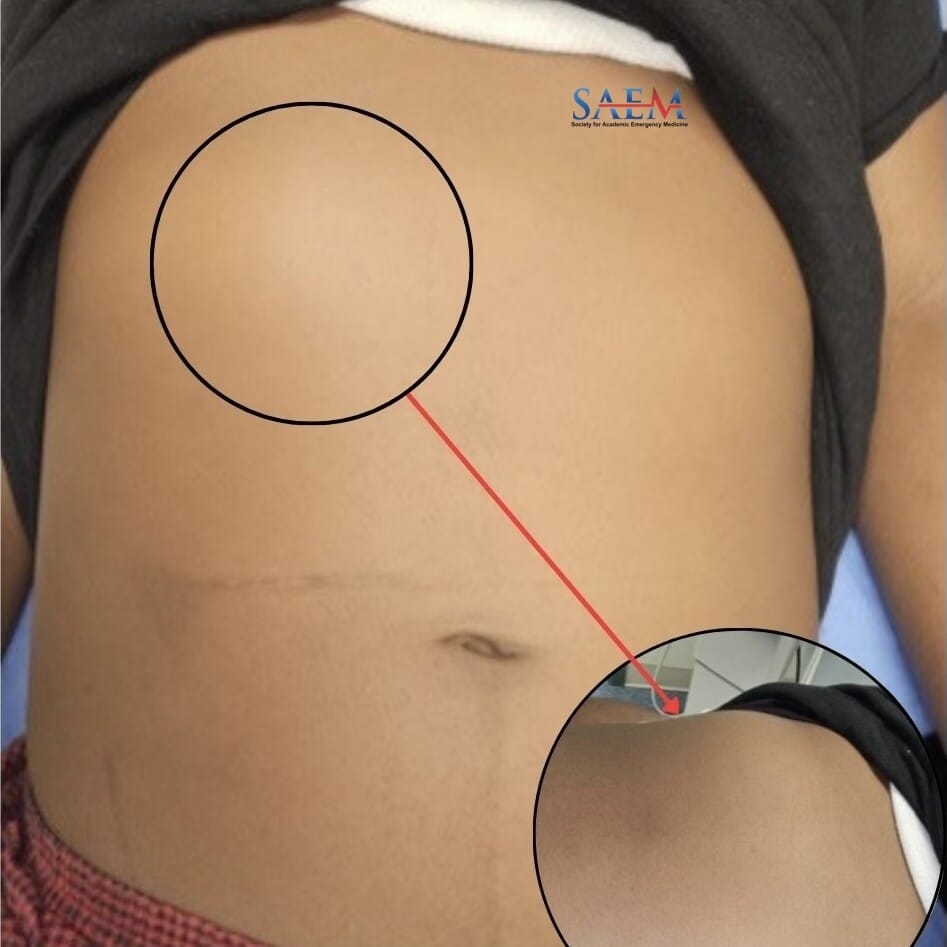
SAEM Clinical Images Series: When it is Not Just a Knot
A 12-year-old male with a history of hydrocephalus status post ventriculoperitoneal (VP) shunt placement presented with an abdominal “knot.” The patient’s mother noticed the knot two days ago, on the right anterolateral thorax, which has steadily been increasing in size. The patient had no known trauma to the area or had been bitten or stung by any insect. He has otherwise been complaining of a headache, generalized, without positional changes, improved with home acetaminophen, ice pack, and rest. There were otherwise no associated vision changes, nausea, vomiting, mental status changes, or fever. [+]
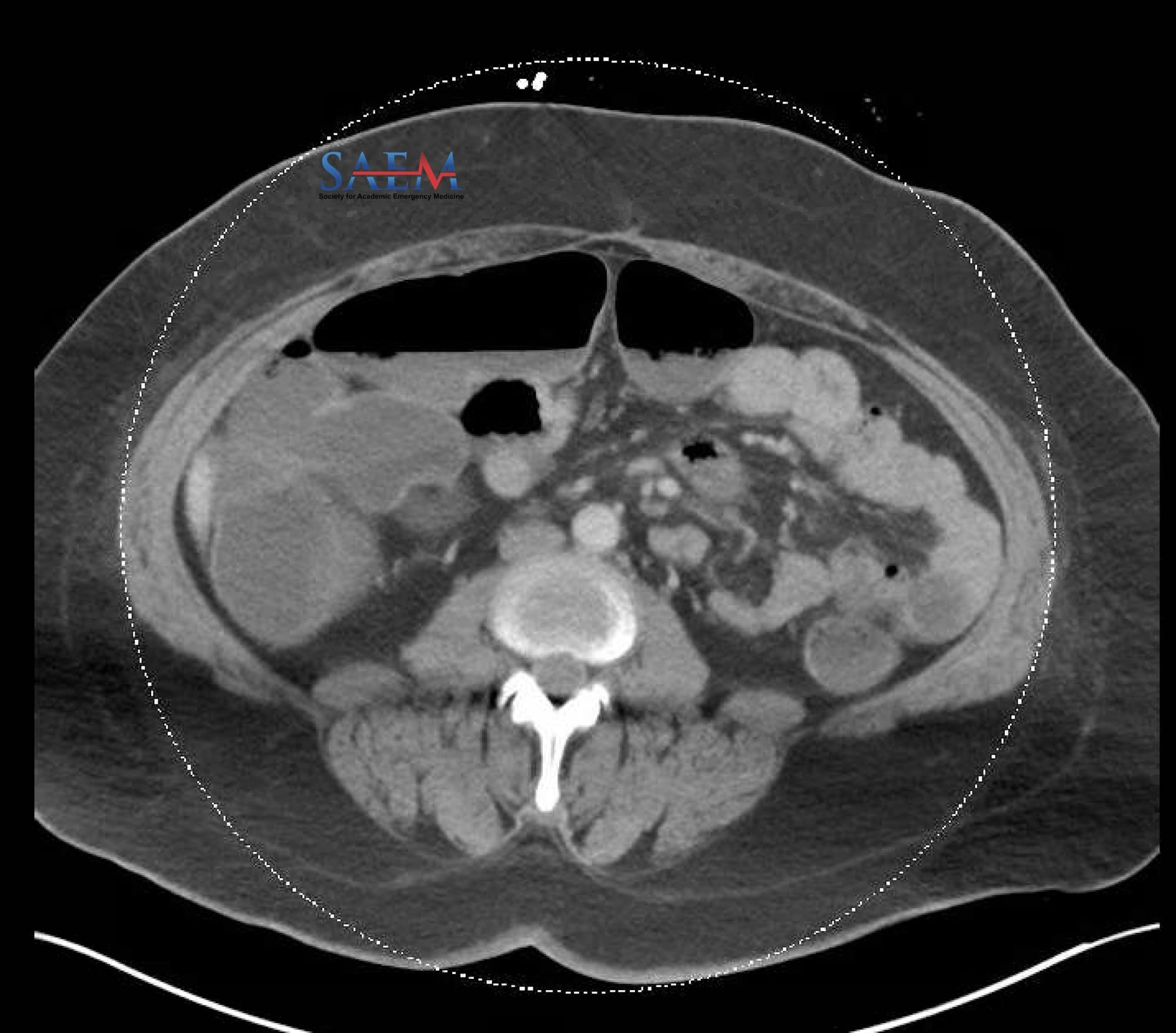
SAEM Clinical Images Series: A Rare Gastrointestinal Complication of an Endocrine Emergency
A 54-year-old woman with a history of hypothyroidism, diabetes mellitus type II, COPD, asthma, anxiety, and depression presented to the emergency department via EMS with three days of fatigue, weakness, chills, and shortness of breath without chest pain or cough. Symptoms had been progressively worsening, and she stated she felt as if she could not move her body on presentation. She also noted diarrhea without abdominal pain, melena, or hematochezia. Just prior to arrival the patient’s daughter thought she looked paler and shorter of breath and called EMS after a near syncopal episode. EMS reported [+]
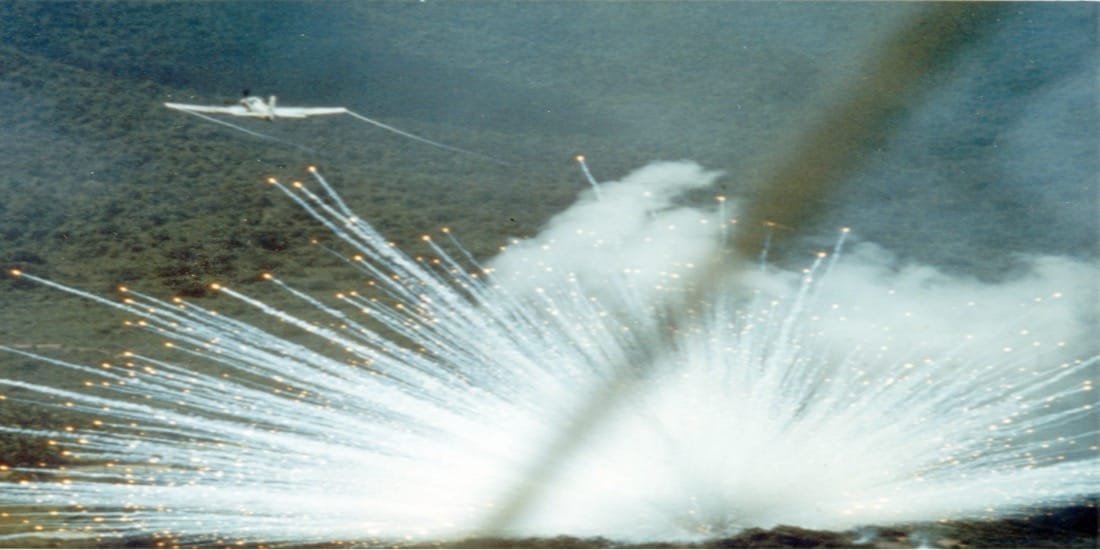
ACMT Toxicology Visual Pearl: Where There’s Air, There’s Fire
What chemical substance is used to produce this smoke screen? Cesium Polyvinyl Chloride White Phosphorous Wood Ash [Image from the National Museum of the U.S. Air Force, Wikimedia Commons] [+]

Aaron Fox, MD
Atrium Health’s Carolinas Medical Center, Charlotte, NC
Latest posts by Aaron Fox, [+]


ALiEM AIR Series | GI Module (2024)
Welcome to the AIR GI Module! After carefully reviewing all relevant posts in the past 12 months from the top 50 sites of the Digital Impact Factor [1], the ALiEM AIR Team is proud to present the highest quality online content related to related to GI emergencies in the Emergency Department. 11 blog posts met our standard of online excellence and were approved for residency training by the AIR Series Board. More specifically, we identified 3 AIR and 8 Honorable Mentions. We recommend programs give 6 hours of III credit for this module. AIR Stamp of Approval and Honorable [+]
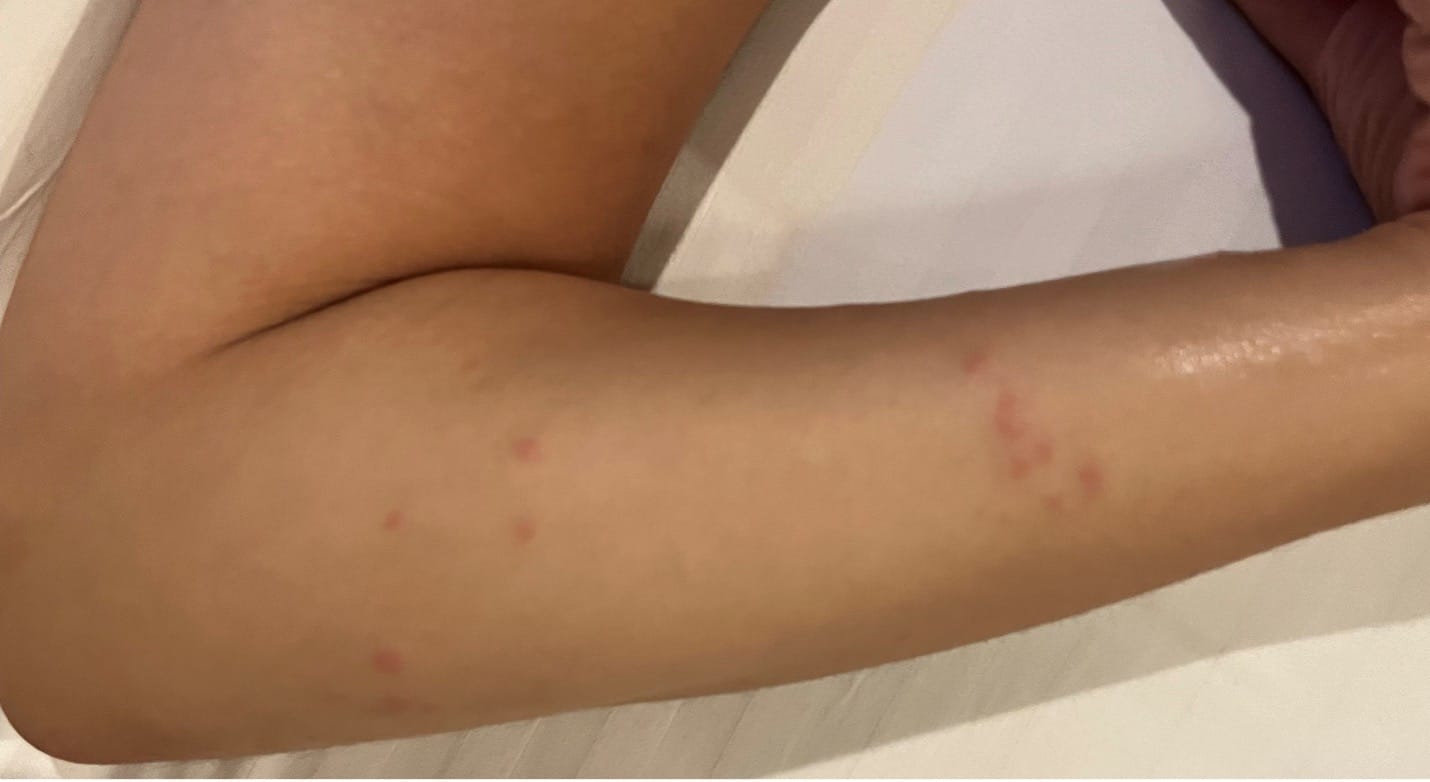
ACMT Visual Pearl: Seabather’s Eruption: The unexpected beach burn
What organism causes seabather’s eruption? Jellyfish Nematodes Portuguese man-of-war Stonefish [Author’s own image] [+]

Lila Nanagas
Villanova University
Latest posts by Lila Nanagas (see all)
- ACMT Visual Pearl: Seabather’s Eruption: The unexpected beach burn - February 12, 2025
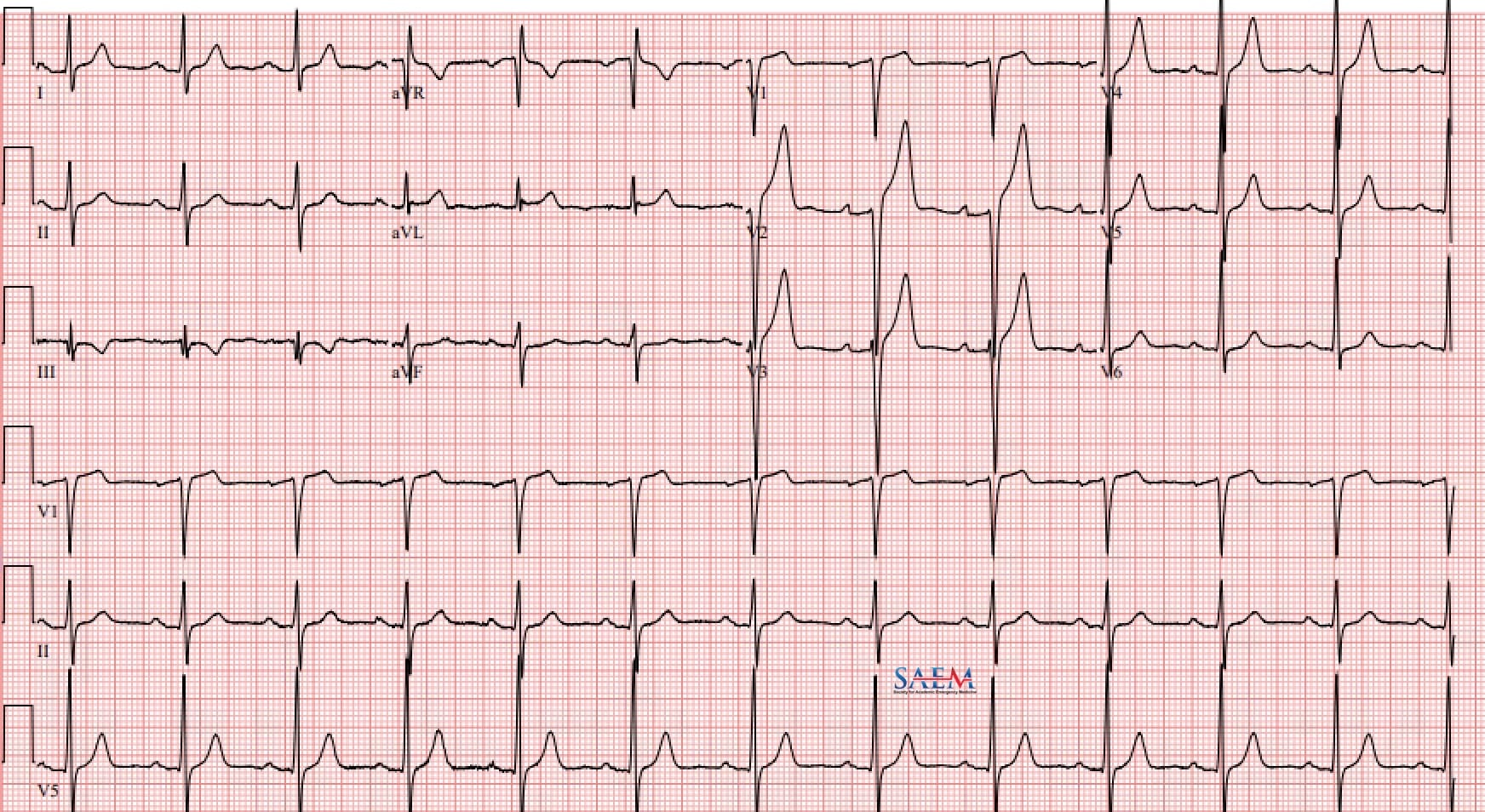
SAEM Clinical Images Series: Male Weightlifter with Chest Pain
An otherwise healthy 45-year-old male presented to the emergency department (ED) with substernal chest pain radiating down his left arm over the previous two days. On the first day of symptoms, his pain began several hours after using a new pre-workout supplement and weightlifting. The symptoms lasted for a few hours and self-resolved. The pain returned the following day under the same conditions, although this time persistent, which brought him in for evaluation. Associated symptoms included shortness of breath, nausea, and one episode of emesis. He denied pleuritic pain, lower extremity edema, hemoptysis, syncope, cough, [+]

Director of Growth, Strategic Alliance Initiative, Center for Innovation and Digital Health
Massachusetts General Hospital;
Chief Scientific Officer, Conductscience.com
Latest posts by Shuhan He, MD (see all)
- The Discharge Severity Index: Early Research on ED Readmission Risk Assessment - August 14, 2025
- Suboxone and the Emergency Physician: Get Waivered Training - August 12, 2022
- A Tale of Two Epidemics: COVID-19 and the Opioid Crisis - April 23, 2020