



AIR Series: Peripheral Vascular Disease Module 2014
Welcome to the fourth ALiEM Approved Instructional Resources (AIR) Module! In an effort to reward our residents for the reading and learning they are already doing online, we have created an Individual Interactive Instruction (III) opportunity utilizing FOAM resources for U.S. Emergency Medicine residents. For each module, the AIR board curates and scores a list of blogs and podcasts. A quiz is available to complete after each module to obtain residency conference credit. Once completed, your name and institution will be logged into our private database, which participating residency program directors can access to provide proof of completion. [+]
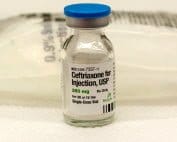
Trick of the Trade: Mix Ceftriaxone IM with Lidocaine for Less Pain
Ceftriaxone is a broad-spectrum antibiotic that is frequently administered intramuscularly (IM) in emergency medicine. However, these injections hurt — A LOT! Can we do anything to minimize the pain? [+]

Director of Growth, Strategic Alliance Initiative, Center [+]
Mythbusting the Banana Bag
We’re all pretty familiar with the banana bag: intravenous (IV) fluids with the addition of thiamine, folic acid, multivitamins, and sometimes magnesium. Banana bags are commonly utilized in patients at risk for alcohol withdrawal symptoms or those who present to the emergency department (ED) acutely intoxicated. [+]
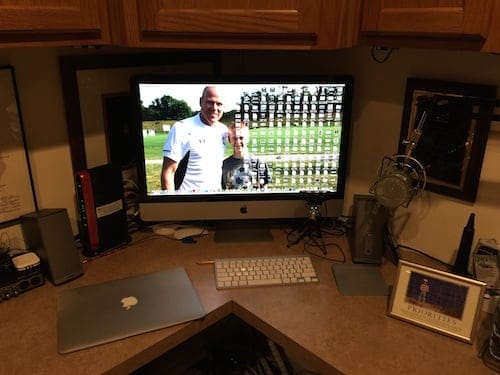
I am Rob Rogers, Course Director for The Teaching Course & Innovative Educator: How I Work Smarter
I have known thought-leader and star speaker Dr. Rob Rogers from the University of Maryland for many years now as we have often crossed paths on the national lecture circuits. He has launched many successful innovative educational endeavors such as the EM:RAP Educators Edition podcast series (way before podcasts were cool). Now Rob is leading the charge as the Course Director for The Teaching Course, a premiere conference to mentor today’s and tomorrow’s leaders in medical education. Nominated for this Working Smarter series by Ken Milne, Rob has kindly sent in his secrets to world domination. [+]
MEdIC Series: The Case of the Debriefing Debacle – Expert Review and Curated Commentary
The Case of the Debriefing Debacle brought us into the world of Melanie the medical student who experienced her first cardiac arrest. Join us as we explore the issues around debriefing and how best to incorporate it into your clinical and teaching practices. This week demonstrated that the MEdIC community is dedicated to engaging in thoughtful, reflective discussion. [+]
US4TW Case: 30M with Blunt Abdominal Trauma
Welcome to another ultrasound-based case, part of the “Ultrasound For The Win!” (#US4TW) Case Series. In this peer-reviewed case series, we focus on real clinical cases where bedside ultrasound changed management or aided in diagnoses. In today’s case, a 30-year-old male is brought in after blunt trauma from a high-speed MVC. [+]
I am Dr. Scott Weingart, ED Intensivist & Author of EMCrit Podcast: How I Work Smarter
I have known Dr. Scott Weingart for several years now and have watched with amazement about how quickly he established his academic reputation in critical care through the little podcast that could, EMCrit, in 2009 into a worldwide standard. His mantra is: “Bringing upstairs care, downstairs one podcast at a time.” Scott also has blanketed the lecture circuit, and I look forward to catching up with him when he comes to speak at our upcoming UCSF High Risk Emergency Medicine Hawaii (#HREM15). In response to Dr. Rob Mac Sweeney’s nomination for this series, Scott was kind enough to share some of his insights. [+]

HOT OFF THE PRESS: ALiEM MEdIC Series | Free e-Book
Today, the ALiEM team presented the Medical Education in Cases (MEdIC) Series to the world at the 2014 International Conference on Residency Education. Along with student-researcher Daneilla Dmitri, I represented the team to describe the digitally engaging and educationally grounded environment that we have created in our monthly MEdIC cases. It was an honor to present our work at this international forum and to be featured as one of the Top 5 What Works presentations. In coordination with our presentation, we are releasing our first FREE MEdIC e-book! [+]
MEdIC Series | The Case of the Debriefing Debacle
Welcome back again this week to the Medical Education in Cases series. Last month we had a record breaking number of people join us for the case discussion, and we hope you will come back and share your thoughts with this one. This month’s case centers upon Dr. Berner and his student Melanie as they both go through a Cardiac Arrest case. Consider their story and think about how you might approach this case. [+]
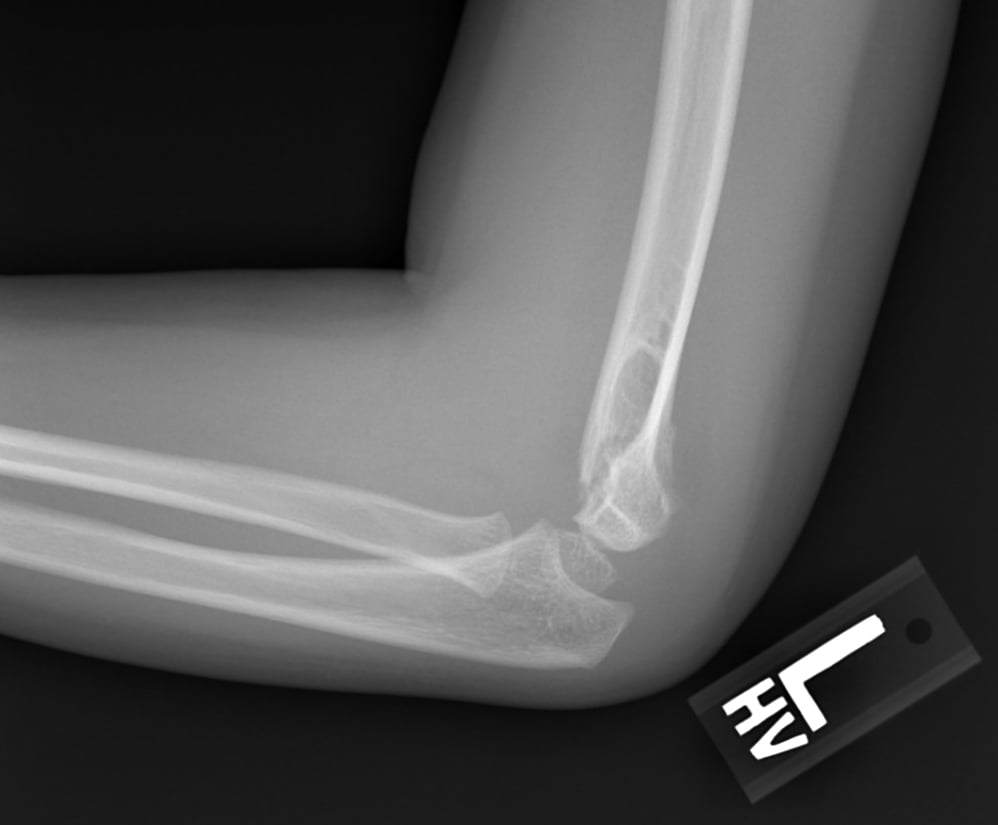
Diagnose on Sight: 6 year old with elbow pain
Case: A previously healthy 6 year old male presents with left elbow pain after wrestling with a friend. What is the diagnosis? Click on image for a larger view. [+]
Director of Growth, Strategic Alliance Initiative, Center for Innovation and Digital [+]