



BISAP, EHMRG, ORT: 3 New Medical Scores You’ve Never Heard Of
Let’s face it. You’ve heard about the A-a gradient. And free water deficit. And even the APACHE-II score. But how useful are these in your daily practice? You don’t care that much if a patient has shunt physiology in the first case, nor exactly how much free water they’re lacking in the second. And in the third case, your clinical acumen is probably pretty good at predicting a sick patient’s mortality already. But what about the new medical scores of BISAP, EHMRG, and ORT? [+]

Blood Pressure Management in Adults (JNC 8 and ACEP Policy)
Hypertension is one of the most common conditions seen in primary care clinics and emergency departments (EDs). Frequently, patients are found to have asymptomatic hypertension and referred to EDs for management, despite the fact that rapidly lowering blood pressure is not necessary and may be harmful. Yet many clinics still refer these patients for emergent management. In December 2013, the Eighth Joint National Committee (JNC 8) published a new, open-access, evidence-based hypertension guideline in JAMA. They only cited randomized clinical control trials to answer three questions: Does initiating antihypertensive pharmacologic therapy at specific BP thresholds improve health outcomes? Does treatment with antihypertensive pharmacologic [+]

Buprenorphine and Acute Pain Management: The ED Perspective
Acute pain management in the ED is challenging. For patients on buprenorphine, it can be even more difficult. What if a patient on buprenorphine presents to the ED with a painful condition that requires a short course of opioid therapy? [+]


Serotonin Syndrome: Consider in the Older Patient with Altered Mental Status
What’s the first thing that pops into your head when you see an older woman presenting to the ED from a nursing facility with atraumatic altered mental status? If you’re like me, ‘UTI’ comes quickly to mind. I then banish the thought of a UTI and force myself to go through a worst-first differential diagnosis to exclude, either through the history and clinical assessment or through testing, more dangerous causes. This is a case of a 67-year-old woman with an unusual cause of altered mental status… and a UTI. [+]
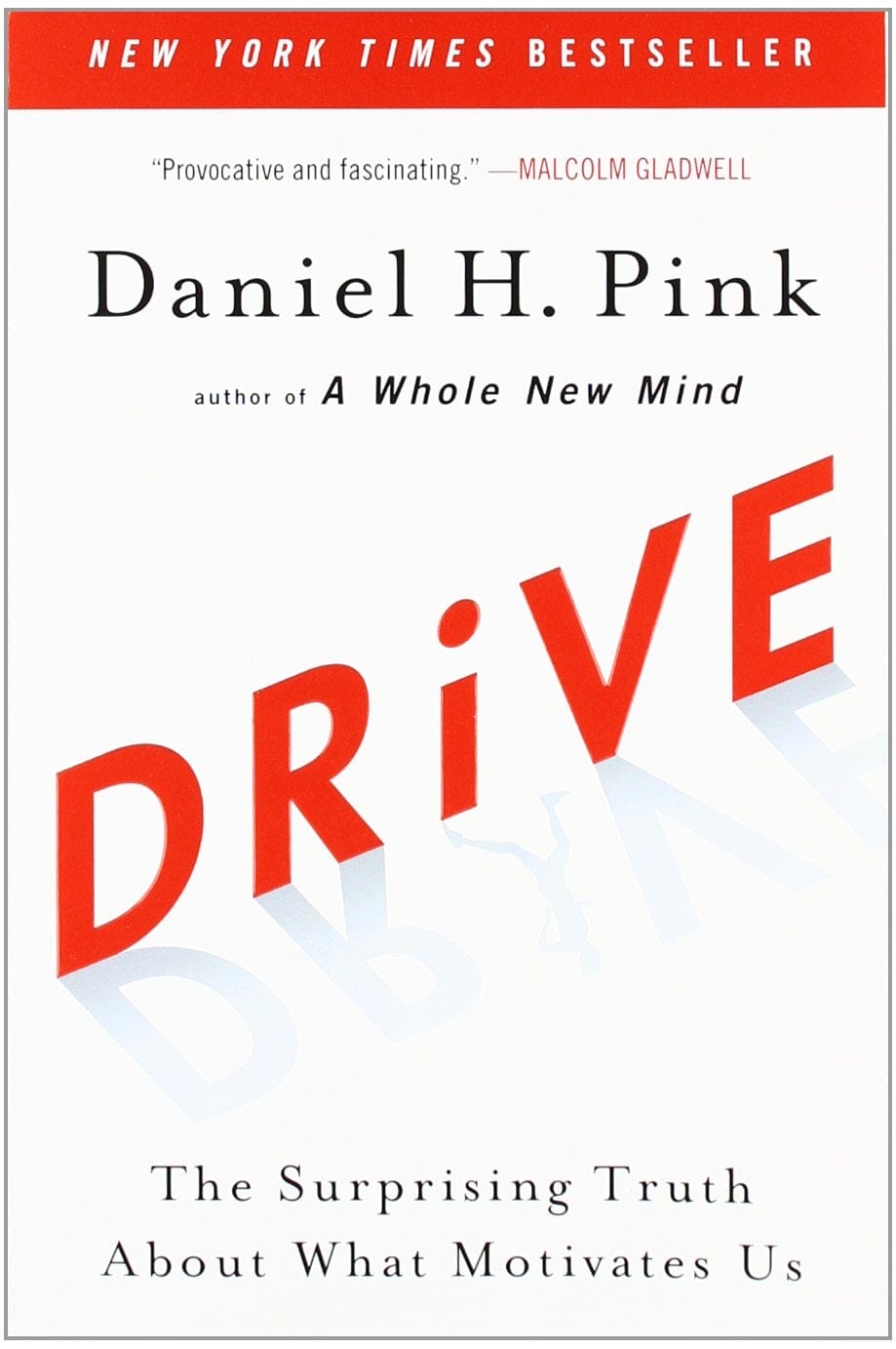
ALiEM Bookclub Promo: Drive – The Surprising Truth About What Motivates Us
It was a few months into my simulation fellowship and I had been devoting a lot of my time to teaching at the medical school. I loved it. I find few things as fun as teaching students who are super motivated to learn. That got me thinking about why learning isn’t always that way. What is it about certain settings that foster a student’s passion to learn while others, that may be presenting the exact same content, cause the same group of students to grumble and disengage? [+]
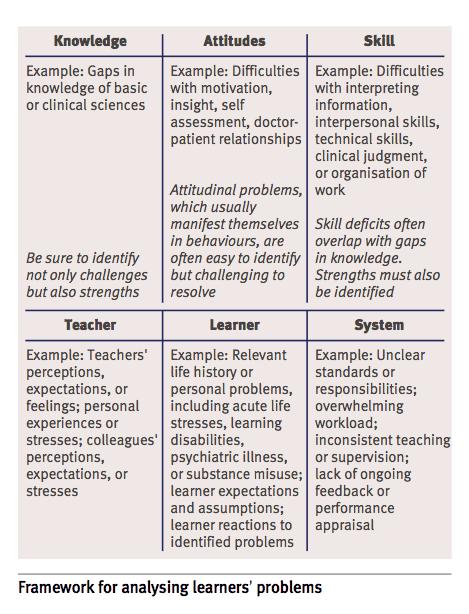
MEdIC Series: The Case of the Terrible Teammate: Expert Review and Curated Commentary
The Case of the Terrible Teammate presented a conflict between a team of chief residents. Sarah got upset because David seemed to be shirking his responsibilities and getting her to do all of the work. While we provided a specific context for the case, interpersonal disagreements over the distribution of work may come up in any work arrangement that splits responsibility between two or more parties. When it does, how should we deal with it? This month Dr. Teresa Chan (@TChanMD) and I (@Brent_Thoma) explored this issue with insights from the ALiEM community and 3 experts. [+]
Is Pelvic Exam in the Emergency Department Useful?
Women with undifferentiated abdominal pain and/or vaginal bleeding commonly present to the emergency department. Many textbooks advocate for the pelvic exam as an essential part of the history and physical exam. Performance of the pelvic exam is time consuming to the physician and uncomfortable for the patient. It is with great regularity that emergency physicians make clinical decisions, based on information derived from the pelvic examination, but is this information reliable and does it effect the clinical plan of patients? [+]

Highland Emergency Ultrasound website: Check it out
Need a quick refresher course on how to do an ultrasound-guided ear block or ankle arthrocentesis? I recently found out about Drs. Andrew Herring and Arun Nagdev’s Highland Emergency Ultrasound website and thought it was a great resource to share with others in the EM world. The website has easy-to-follow pictorial instructions of anatomic landmarks, probe placement, and ultrasound images of the most common blocks and other procedures. [+]
Vote which Annals of EM articles to be open-access in May
With the overwhelming poll response on helping Annals of Emergency Medicine choose their two open-access articles for April 2014, this will now be an ongoing monthly event! Take a look at the article abstracts accepted for publication in May’s issue. Vote on your top two choices over the next 2 days, and they’ll be made open after the May issue of Annals of Emergency Medicine goes online. [+]

“Is there a doctor on-board?” 5 tips for dealing with in-flight emergencies
On average, in-flight medical emergencies occur about 15 times per day. When asked by flight crews to help in a medical emergency, providers have fairly extensive legal protection, and in some cases have a legal obligation to help [1]. In the U.S., all 50 states have some form of a “good Samaritan” law, which provides legal protection to medical providers who perform their services in response to medical emergencies outside the hospital. While these laws typically apply broadly to most out of hospital emergencies, in 1998 Congress specifically passed the Aviation Medical Assistance Act (AMAA) which offers legal protection to providers, [+]