


Vote which Annals of EM articles to be open-access in July
Here’s your chance to help choose two articles to be open access in July’s Annals of Emergency Medicine . Take a look at the article abstracts accepted for publication in July’s issue. Vote on your top two choices over the next 4 days, and the top two will be made open after the July issue of Annals of EM goes online. This may be the last month we are doing this, so if you like this opportunity, please vote! Your participation will help us decide whether or not to continue this feature. [+]
Presentation Design for Medical Education: Slide set for CORD 2014
Drs. Tyson Pillow, Stacey Poznanski, Robert Tubbs, and I will be teaming up to deliver a Presentation Design Bootcamp talk for medical educators at the 2014 Council for EM Residency Directors (CORD). The session is on April 2, 2014 at 1:30-2:20p in New Orleans, LA. Because it is a short 1-hour intensive workshop, we want to offer participants the opportunity to prepare themselves by reviewing the slide set ahead of time. [+]

ALiEM-Annals of EM Journal Club: Targeted Temperature Management
We are very excited this month to bring you our third Global Journal Club. We hope you will participate in an online discussion based on the clinical vignette and questions below from now until March 27th. Respond by commenting below or tweeting (#ALiEMJC). On Tuesday, March 25, 2014 at 1630 EST, we will be hosting a 30-minute live Google Hangout with Dr. Niklas Nielsen, the lead author of the Targeted Temperature Management (TTM) study, that is informed by the discussion. Later this year a summary of this journal club will be published in Annals of Emergency Medicine. [+]
Trick of the Trade: Parting the hair for scalp laceration repair
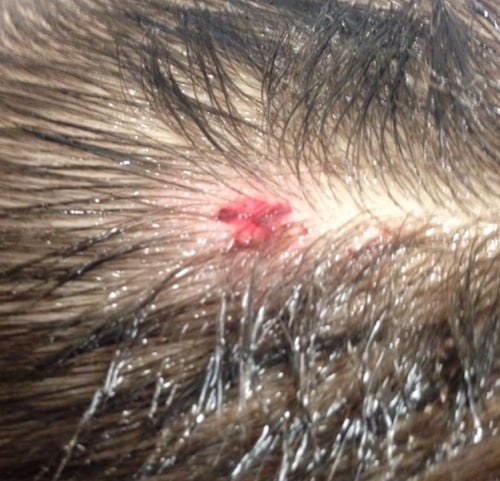
Trying to suture or staple a scalp laceration is oftentimes a hairy proposition for emergency physicians who repair these types of wounds regularly. Although the “hair apposition technique” method is one option, if one opts for sutures or staples, the most difficult part of the procedure is trying to avoid trapping hair strands within the wound, which may cause wound dehiscense, a foreign body reaction, or a local infection. [+]

ProCESS Study: Identify sepsis early and treat aggressively
Today, the New England Journal of Medicine just released a landmark paper by the ProCESS (Protocolized Care for Early Septic Shock) trial investigators. There has already been much buzz about this on various blogs and websites, including St. Emlyn’s, MedPageToday, and MDAware. I received an email from my colleague Dr. Michael Callaham, who shared some direct comments and pearls from Dr. Donald Yealy, (professor and chair of emergency medicine from the University of Pittsburgh Medical Center) who was the first author of this writing team. Thank you to Dr. Yealy for allowing me to share your team’s comments with the ALiEM readership. [+]
Article: Elevated INR May Overestimate Coagulopathy in Trauma and Surgical Patients
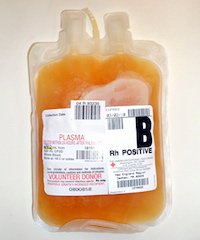
A 55 year old woman presents as the driver of a motor vehicle collision. She has moderate abdominal tenderness diffusely and a seat belt sign, but has a negative abdominal/pelvis CT. Her INR, however, was noted to be 2.1. She is not on any vitamin K antagonists. The surgeons admit her to the hospital to observe for a potential hollow viscus injury and requests that you order 2 units of FFP for her. Seems reasonable… or is it? What is the logic? [+]

Trick of the Trade: Nasopharyngeal Oxygenation
A 76-year-old obese male with a history of severe COPD presents to your emergency department (ED) in acute respiratory distress. The patient’s large beard prevents an adequate seal with the NIV (non-invasive ventilation) mask, and the patient continues to desaturate. You are fairly sure that this patient will be a difficult airway and optimizing oxygenation prior to and during your intubation attempt would be ideal. Now what? [+]
ALiEM Bookclub: What Doctors Feel
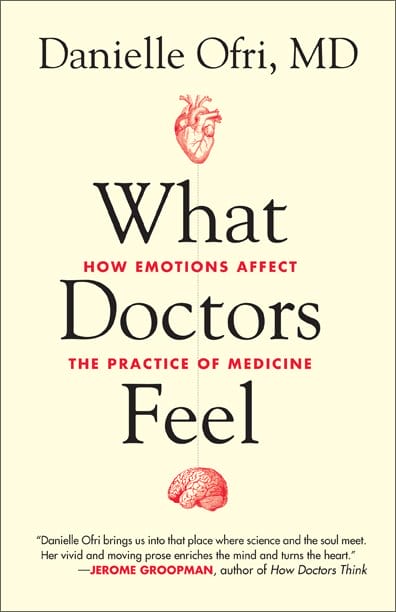
How do emotions affect the practice of medicine? This is the complex theme behind the latest book by Dr. Danielle Ofri, What Doctors Feel, and the topic of this month’s ALiEM bookclub discussion. [+]

Director of Growth, Strategic [+]

Upper Gastrointestinal Bleeding: Evidence-Based Treatment
Upper gastrointestinal bleeding remains a common reason for emergency department visits and is a major cause of morbidity, mortality, and medical care costs. Often when these patients arrive, the classic IV-O2-Monitor is initiated and hemodynamic stability is assessed. Some of the next steps often performed include: Determination of the site and rate of bleeding (upper vs lower) Initiation of proton pump inhibitors (PPIs) Somatostatin analogs if variceal bleeding is suspected Prophylactic antibiotics Packed red blood cell (PRBC) transfusion for low hemoglobin and hematocrit levels What is the evidence for these treatments, and do they affect morbidity and mortality? [+]
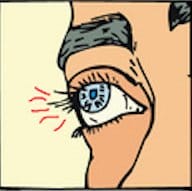
Ocular Ultrasound: Retinal Detachment and Posterior Vitreous Detachment
It’s 3 am in the middle of your busy night shift and you begin your evaluation of a 65 year-old woman with diabetes with several hours of unilateral flashes of light in her left eye. Her visual fields seem normal, but you are unable to see her fundus with your direct ophthalmoscope. Luckily, you remembered the teaching from your ultrasound rotation during residency. [+]