



Deep Vein Thrombosis (DVT): Wells criteria and D-dimers happy together
You are evaluating a 45-year-old male who is complaining of calf pain. He has a history of cancer however he has never had a clot in the past. The leg is neither swollen nor warm but he notes a cramping sensation in the posterior portion of his calf. You are concerned for a deep vein thrombosis (DVT) and consider the multiple means to reliable exclude the diagnosis: Wells score, D-dimers, ultrasound? What works? [+]

Atypical Antipsychotic Medication Re-initiation in the ED
The acute episode of intoxication and agitation has subsided and your patient is calm. She has been medically cleared and is ready to be moved to a less acute, less monitored portion of the ED to await further assessment and treatment for her underlying psychiatric conditions. As a well-intentioned emergency medicine practitioner, you wish to give your patient the tools she needs to maintain this calm status by restarting her home atypical antipsychotic medication. What is the best way to go about doing this? While the atypical antipsychotics have generally been considered safer than the first generation agents due [+]

Self-Regulated Learning and Forgetting
We go through school without realizing if our learning strategies are inefficient even more so when some assessments support these practices as opposed to discourage it. Unfortunately, exams and graduation run the risk of giving us a sense that learning is over, that what we have learned does not change, or that there are not more effective ways of learning. There is no way of unlearning what we have learned in the past, so it’s always a sensible practice to reassess our knowledge on a constant basis. [+]

Trick of the Trade: Making your own homemade ultrasound gel
You are spending a month in rural Kenya, doing an ultrasound teaching course. Your enthusiastic participants have been ultrasounding every chance they get. Unfortunately, this has caused your ultrasound gel supplies to dwindle. It will be a month before a new shipment of gel arrives from Nairobi. This gel will cost about $5 per bottle, which is a considerable expense for the local hospital’s budget. [+]
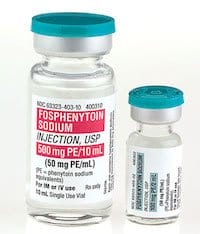
Understanding Phenytoin Equivalents
Sometimes, in an effort to make things simpler, we actually make them more confusing. Such is the case with phenytoin equivalents. Fosphenytoin is a water-soluble prodrug of phenytoin. After IV administration, much of the fosphenytoin is metabolized to phenytoin within 15 minutes. Advantages over phenytoin include the option for IM administration and less cardiotoxicity allowing for faster infusion rates. Even the potential for hyperphosphatemia from the release of phosphate is generally inconsequential. [+]

Neuraminidase Inhibitors for Influenza – The Truth, The Whole Truth, and Nothing But the Truth Finally
Over the last 5 years, the use of neuraminidase inhibitors for the treatment of influenza has skyrocketed. Emergency physicians have been pushed to prescribe these medications under the belief that they reduced symptoms, the risk of complications, hospitalizations, and transmission. However, the recommendation for the use of these drugs has never sat on firm evidence-based ground. So what did we know then, and what do we know now? [+]
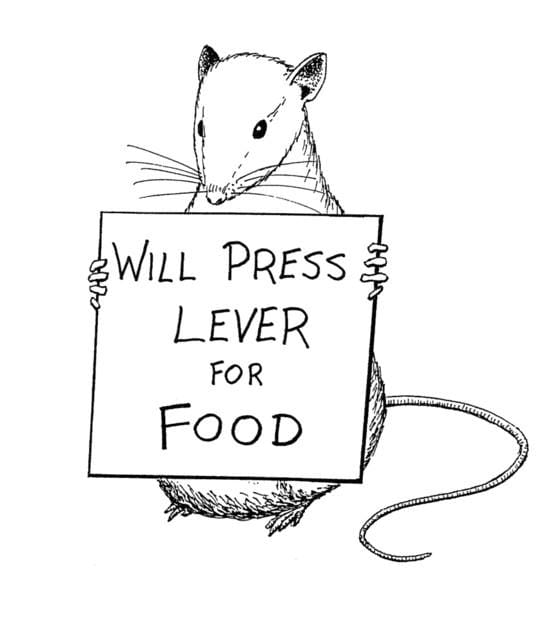
Behaviorism: Is punishment or reward more effective in education?
Every person involved in teaching and learning has a philosophy on how people learn. Implicitly, explicitly, legitimate or not this mental construct of learning affects the way they impart instruction and assess learning. One of the oldest and most commonly used educational theory of learning is behaviorism. [+]


PEITHO Trial: Fibrinolysis for Intermediate-Risk Pulmonary Embolism
Most of us would agree that massive PE is treated with fibrinolysis and non-massive PE is treated with anticoagulation. The area of great debate has been the optimal treatment for sub-massive PE. The MOPETT Trial was published in January 2013 and although the patient population was small, it did show a huge benefit in pulmonary pressures at 28 months with fibrinolysis. The next study we have all been waiting for is the Pulmonary Embolism Thrombolysis (PEITHO) trial, which was just published yesterday in the NEJM, evaluating fibrinolysis for patients with intermediate-risk PE. [+]
Top 10 reasons NOT to order a CT scan for suspected renal colic
It appears that the excitement and utilization of computed tomography (CT) imaging in the emergency department (ED) has far outpaced our concern for the short- and long-term consequences of increased reliance on this technology. CT has greatly supplemented, or even replaced, our clinical decision making for many chief complaints. Many articles document the dramatic increased CT use in contemporary practice, including a 330% increase in the rate of CT imaging from 1996 to 2007. The likelihood of a CT order being part of any ED encounter now approaches 15%, with no signs of decline.1 [+]

Article: Hypotonic maintenance IV fluids in pediatrics
A 6-month-old male presents to the emergency department with diarrhea and vomiting. Despite antiemetic therapy, the the child is unable to tolerate oral intake in the ED and so you opt to admit him to the hospital for IV fluids. The pediatric hospitalist requests that you write maintenance fluids prior to admission to the floor. Utilizing the 4-2-1 rule you calculate maintenance needs and choose D5 ½NS as your fluid. This is what you had been taught to utilize in children. It seems appropriate… but is it? [+]