



ALiEM Bookclub: The One World Schoolhouse: Education Reimagined
[book-cover isbn=”1455508381″ align=”right”]Technology has changed the ways we are able to communicate. And a few, such as Salman Khan are actively using these new methods to change how we educate. And this is why his groundbreaking book, One World Schoolhouse: Education Reimagined [Amazon link] is the ALiEM January book club selection. [+]
![Shuhan [+]</p></body></html>](https://www.aliem.com/wp-content/uploads/2020/03/Shuhan_He_MD.jpg)
Pitfalls in Comparative Simulation Based Research
Simulation based research is tough. We all know that it’s fun, and we think it is safer for the patients. Beyond that, the data is not so strong! And it’s important to care about this. Why? Because those working in the educational fields are fighting for budgets against other strong modalities for education such as ultrasound. Additionally, we are fighting for valuable time and space with the learners, such as medical students and residents. Improving simulation research can give credibility to those educators who seek more money, time, and focus for their learners. But how to improve it? [+]
Vote which Annals of EM articles to be open-access in April
For many years, Annals of Emergency Medicine has selected two articles every month to make open access to non-subscribers, based on their perceived interest and/or importance. Problem is, we make those choices blind to what our readers really want. You can help us improve this selection if you would review the list of articles that will be in the April 2014 issue, and vote for any articles you’d like to see free full-text. Please vote on your top two choices over the next 2 days and we’ll make them full text open access shortly thereafter. The in-press titles and abstracts are listed [+]
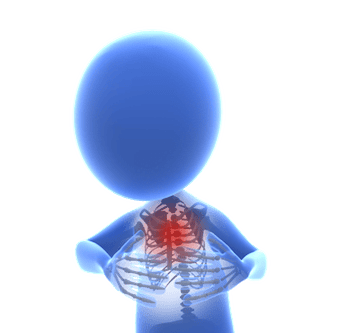
The HEART Score: A New ED Chest Pain Risk Stratification Score
Chest pain is a common presentation complaint to the emergency department (ED) and has a wide range of etiologies including urgent diagnoses (i.e. acute coronary syndrome (ACS), pulmonary embolism, aortic dissection) and non-urgent diagnoses (i.e. musculoskeletal pain, gastroesophageal reflux disease (GERD), pericarditis). The challenge in the ED is to not only to identify high risk patients but also to identify patients who can be safely discharged home. Specifically, when dealing with ACS, dynamic ECG changes or positive cardiac biomarkers is pretty much a slam dunk admission in most cases, but a lack of these does not completely rule out ACS. [+]
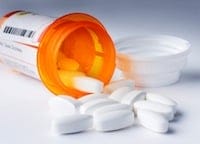
Tramadol: When to avoid it
Tramadol is a popular agent for the treatment of pain and offers an alternative to opioid therapy. Tramadol exerts its analgesic effects through weak stimulation of the mu opioid receptor as well as inhibiting the reuptake of serotonin and norepinephrine similar to some antidepressant medications. While tramadol may be an effective option for mild to moderate pain in otherwise healthy individuals, the following patients may benefit from an alternative analgesic selection. 1–4 [+]

MEdIC Series: The Case of the Magnificent Mentor – Expert and Community Response
The Case of the Magnificent Mentor outlined a common dilemma that is likely to occur with most protégés: How does one thanks his/her mentor for all their help over the years? During this time of the year, as we look towards a new year, Brent Thoma (@Brent_Thoma) and I (@Teresa Chan) thought we would engage our readership in a bit of reflection about those who have got us to where we are today. (NB from TC & BT: And yes, we know, this is 100% cheesy and holiday fluff – but we felt like doing something a bit more in [+]

New Year’s Resolution: Let’s Dose Vancomycin Correctly in the ED
Vancomycin remains one of our workhorse antimicrobials for treating infections caused by methicillin-resistant S. aureus (MRSA). As the incidence of MRSA infections continues to rise AND we are starting to see increasing minimum inhibitory concentrations (MIC) with vancomycin, it is paramount that we optimize its use, starting in the Emergency Department (ED). [+]

ALiEM Year In Review 2013
Dear ALiEM Supporters: Happy Holidays from the ALiEM team! During this time of year, it is always good to take stock of your life. At Academic Life in Emergency Medicine (ALiEM), we decided to reflect of the life of the blog by generating our Year in Review 2013. First, thank you to each of you. Your time, comments, tweets, and feedback are what make this blog successful and dynamic as an educational resource.We appreciate your continued readership and engagement. Many exciting things have transpired over the past 12 months. We wish to review some of the highlights, as well as give a [+]
Thank You ALiEM Expert Peer Reviewers
We would like to take this opportunity to thank those of you who took the time to take part in our exciting new Expert Peer Review series over the last 4 months of 2013. Your contributions helped us roll out this ground breaking process, and we hope you all will continue to contribute to our peer review in the future. [+]

MEdIC Series: The Case of the Magnificent Mentor
© woodleywonderworks None of us would be where we are today, if it weren’t for the people that have helped us along the way. During this holiday season we thought it would be appropriate to discuss a happy topic: how to thank your mentors. The fine people who have taught and guided us over the years – helping us become the physicians we have become. This month in the MEdIC series, we present the case of Kara and Sundeep, two residents who are not sure how to go about thanking their mentors. [+]