


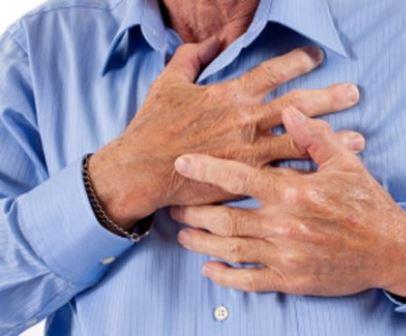
Why the Holidays Can Be Deadly
The winter holiday season is a busy time in most EDs. Colder weather, respiratory infections, and many factors contribute to this. However Christmas Day and New Year’s Day in particular are two of the deadliest days of the year. Missed medications due to travel, delayed presentations because of a desire to stay home for family gatherings, increased stress, alcohol and substance abuse, travel, and drunk driving, are just a few of the things that can contribute to morbidity and mortality in patients of all ages, and particularly in older adults. If you are working this holiday season, here is a [+]

Carbon Monoxide Poisoning: Common Questions and Dilemmas
Carbon monoxide (CO) is an odorless, colorless gas and is one of the most common causes of unintentional poisoning deaths in the United States. It is also one of the most common poisoning presentations to Emergency Departments. Because CO is produced by the incomplete combustion of carbon-containing fuels, the incidence of accidental exposure peaks during the winter months due to increased use of in-door heating sources and reduced ventilation. 1–3 Several management dilemmas commonly arise when dealing with patients with potential CO poisoning. [+]

Skeptics Guide to EM: Year in Review of 42 podcasts
Dr. Ken Milne of The Skeptics Guide to Emergency Medicine series has kindly summarized his 42 podcasts from this year and is releasing the summary [download PDF] as a free holiday gift! He also lists the best podcast picks for the year in his year-end blog post. [+]


ALiEM Bookclub: Hanging Out with author Sheri Fink
This past week, we’ve hosted a discussion for our book club on “Five Days at Memorial”. First off, thank-you to everyone who has contributed! But now we have a special surprise. Two months ago we had Shawn Achor tweeting with us… and now we have a Google Hangout On Air with Sheri Fink MD PhD (@SheriFink), the author of the ALiEM Book Club selection this month! Not only is Sheri an award winning journalist, who has written an amazing book – she’s also a really nice lady who was happy to chat with us for 40 minutes about her latest work [+]

Online Educational Resources from Residencies
Residency provides clinical training to new physicians. Many programs have started offering online educational content to their residents. These are great resources to learn from some of the leading educators in EM from the comfort of your home. Below is a list of some of my favorites. [+]
Lactic Acidosis and Beta Agonist Therapy in Asthma
A 45 y/o male with moderate persistent asthma presents with wheezing and cough following a viral URI. He is tachypneic and has diffuse wheezing. PEFR is 250 (>50% below his normal). Initial ABG is 7.46/33/70 on room air with a lactate of 2.0 mmol/L. He receives IV steroids and 4 rounds of albuterol nebulizers. On repeat evaluation, his work of breathing and wheezing have improved and his PEFR is now >300. He is completed alert and oriented with a BP of 118/70 and a HR of 110. Repeat ABG shows 7.35/35/100 on room air; however, his lactate is now 7 [+]

Policy Change: A Brief Primer for Emergency Physicians
Like it or not, many things that determine our daily satisfaction with our work are determined by policy. QI measures, the implementation of EMRs, the availability of cigarettes, the funding of GME positions, the strength of drunk driving laws, the availability of mental health care: these are all legislative decisions, with an intimate relationship to our work. Yet, only half of the practicing physicians in the U.S. report that they are actively involved in policy change/advocacy. [+]
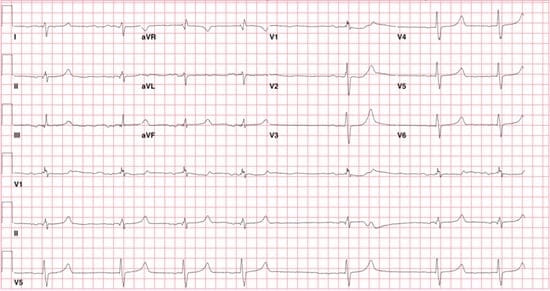
QI Series: Pitfalls in Diagnosing Hyperkalemia
A 55 year old male was brought to the Emergency Department (ED) by paramedics complaining of weakness and chest discomfort. His past medical history was notable for coronary artery disease with bypass grafting, diabetes mellitus, and end stage renal disease. He reported being non-compliant with his last 2 scheduled hemodialysis sessions. Paramedics noted pallor and recorded a blood pressure of 80/palpated and a heart rate of 44. Upon arrival to the ED, a 12 lead ECG was obtained. [+]
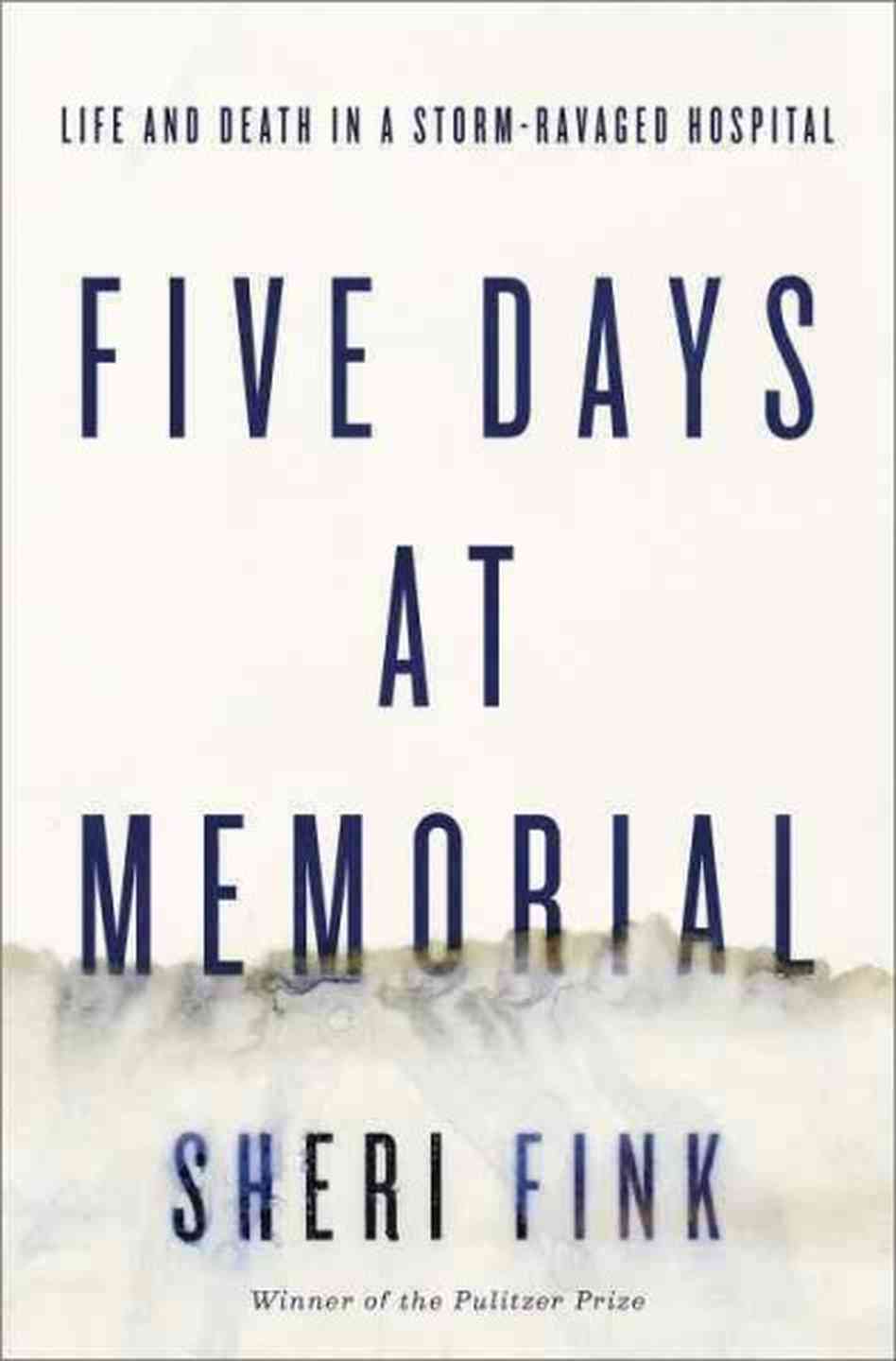
ALiEM Bookclub: Five Days at Memorial
Five Days at Memorial by Sheri Fink (@sherifink) invites us to examine what we expect of ourselves in the medical community during times of disaster: what is demanded by our Emergency Medicine training in triage, disaster management, and end of life care, and what ethics form the foundation of our practice when systems around us fail. Dr. Fink’s book offers an opportunity for us, as health care practitioners, to openly discuss with the communities we serve the ethics that crash into conflict in settings of unfathomable duress and insufficient resources. [+]
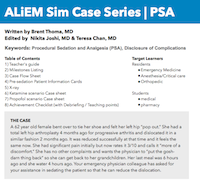
Sim Case Series: Procedural Sedation
Case Writer: Brent Thoma, MD MACase Editors: Teresa Chan, MD and Nikita Joshi, MD This procedural sedation simulation case can be used to teach, evaluate or reinforce the skills needed to safely perform procedural sedation. It presents a new format for the ALiEM Sim Case Series: Teresa Chan (@TChanMD) has worked magic to amalgamate all of the materials into a cohesive, organized, easy to follow format that also happens to be pretty. The freely downloadable PDF below includes: [+]