


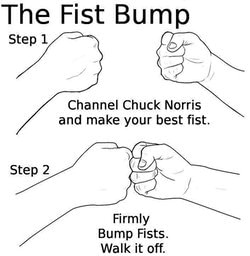
Trick of the Trade: Fist Bump to Reduce Pathogen Transmission
Handshaking has been practiced as far back as the 5th century BC and used today as a common way of greeting others. In the hospital setting this occurs multiple times throughout the day. Many alternatives to the handshake have been developed and utilized, but they have failed to replace the handshake as a form of greeting. Nosocomial infections have been identified as a major preventable complication of inpatient care and one of the most important initiatives to reduce this is hand hygiene. The authors of this study propose the fist bump as a safe and effective way to avoid hand-to-hand contact and therefore reduce transmission of infection. 1 [+]
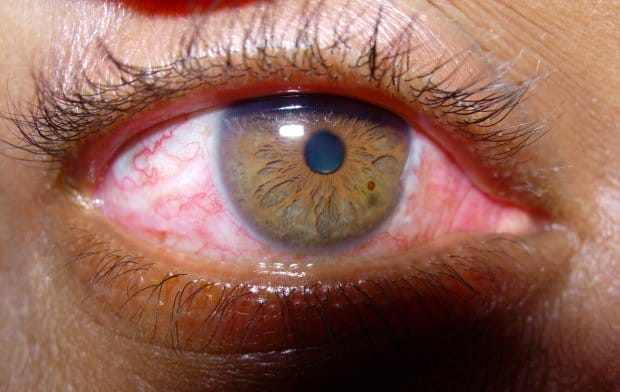
Creating an EM website dedicated to images: Things to consider
The folks at SUNY Downstate Emergency Medicine program have been hard at work contributing to the field of #FOAMed over the last few years (ClinicalMonster.com). Dr. Mark Silverberg, the program’s Associate Residency Director, has also been busy with an EKG website featuring 100 interpreted EKGs. And now he’s busy at it again, introducing the newest contribution to EM – an online visual atlas: www.kchemimage.wordpress.com. While the website is still in development, I wanted to discuss further with Dr. Silverberg the nuances of obtaining images and creating an EM website with it. [+]

MEdIC Series: The Case of the Culture Clash: Expert Review and Curated Commentary
The Case of the Culture Clash presented a conflict within a multi-cultural team of doctors. Mary, a registrar was unable to effectively teach all her interns, who had diverse personal and professional backgrounds. Working in teams with many cultural and linguistic difficulties is becoming more and more common worldwide. This month we asked about personal experiences of difficulties with multi-cultural teams, how to overcome these difficulties, and how we as educators can improve our teaching of learners from different backgrounds. [+]

Is the Patient Sober? Clinical Sobriety versus Blood Alcohol Concentration
There is significant practice variability when providers are asked to determine if a patient is intoxicated. Some providers will evaluate a patient to determine if a patient is “clinically sober”, while other providers will rely on a patient’s blood alcohol concentration (BAC) to evaluate a patient’s level of intoxication. There is very little data to suggest that either approach is superior; however, both practice patterns have significant limitations and carry a certain degree of medicolegal risk. [+]
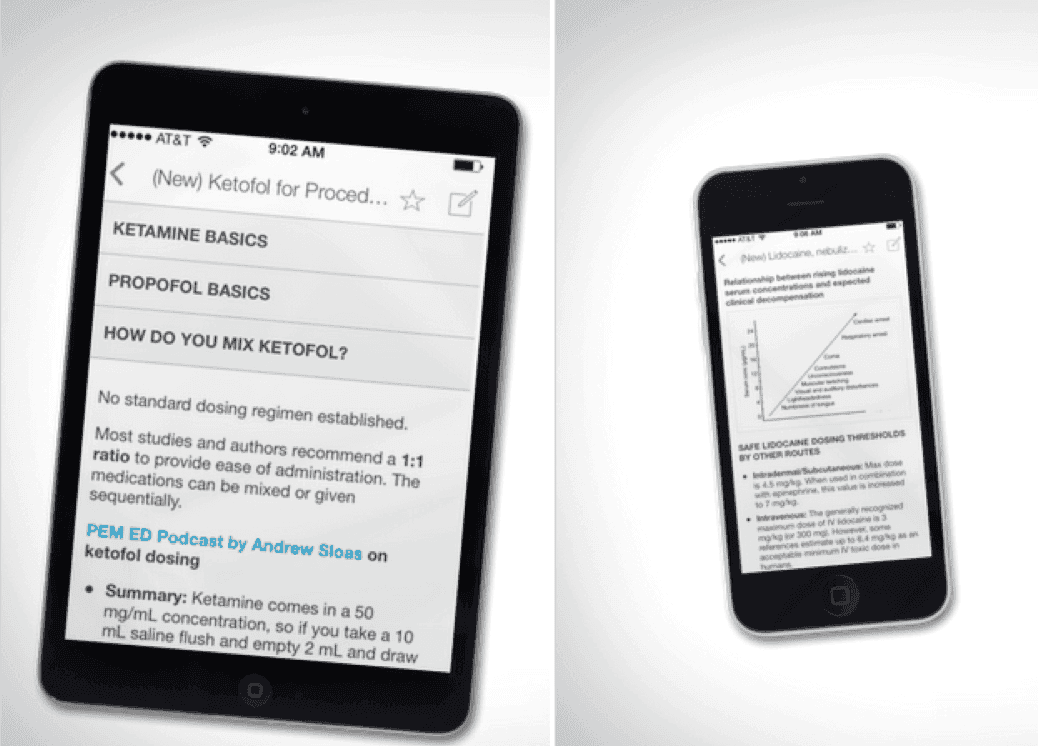
Did you know that there are new Tox/Meds PV Cards?
Don’t know when to use ketofol for procedure sedation or if you can rapidly load phenytoin? See the new PV-Plus Cards on AgileMD for free on any smartphone/tablet/desktop. Other topics include: Thrombolytics for submassive PE Vasopressor agents for the hypotensive patients Tramadol t-PA for codes Searchable Emergency Drug Card with dosages for Adults and Pediatrics UPDATE Jan 1, 2018: The PV Cards are no longer on AgileMD.

Uncomplicated Urinary Tract Infection in Older Adults: Diagnosis and Treatment (Part 1)
It seems like a simple enough question: How do you diagnose and treat uncomplicated UTIs in older adults? The answer is: It depends. Part 1 of this post will discuss diagnosis of UTIs in this population, and part 2 will address treatment. [+]


EM Clinical Decision Rules iBook
As educational content, which was traditionally published in the form of textbooks, get repurposed into blog posts, podcasts, and videos, iBooks have been a bit slower to take hold. They can replace print textbooks, if done from a thoughtful design-based approach such as by Drs. Matthew Dawson and Mike Mallin in their Introduction to EM Ultrasound (volume 1 and 2) iBooks. Here’s another iBook entitled “EM Clinical Decision Rules” involving pulmonary embolism (PE) and minor head trauma by Drs. Shannon McNamara, Christine Knettel, and David Wald. [+]

MEdIC Series: The Case of the Culture Clash
Our hospitals are abound with international citizens who travel across the globe to learn about medicine. Frequently, individuals complete some aspect of their training in another country, bringing with them their own cultural perspectives. This month in the MEdIC Series, we invite you to discuss a case of culture clash and how consider how our learners’ backgrounds can affect their medical education. Join Mary in her tribulations as she considers how to approach the very different styles of her learners: Jane, Irina, and Shamila. [+]
Does The Medium Change The Culture?
According to Paul Levinson, a Marshall McLuhan scholar, “The medium is the message” in the digital age means that the way we use the medium to consume and produce information is much more important than the content itself. This phrase originated from a book authored by Marshall McLuhan in 1964 called Understanding Media: The Extensions of Man. McLuhan talked about the electronic age as a catalyst for creating a global village. These were some of McLuhan’s viewpoints even before the Internet had been invented. If the ultimate purpose of publishing is to communicate with each other, we should explore how [+]
Vote which Annals of EM articles to be open-access in June
In line with our prior two months of voting, we are back again to ask for your help in choosing which two articles from the June Annals of EM issue will be open access. Take a look at the article abstracts accepted for publication in June’s issue. Vote on your top two choices over the next 4 days, and the top two will be made open after the June issue of Annals of Emergency Medicine goes online. [+]