


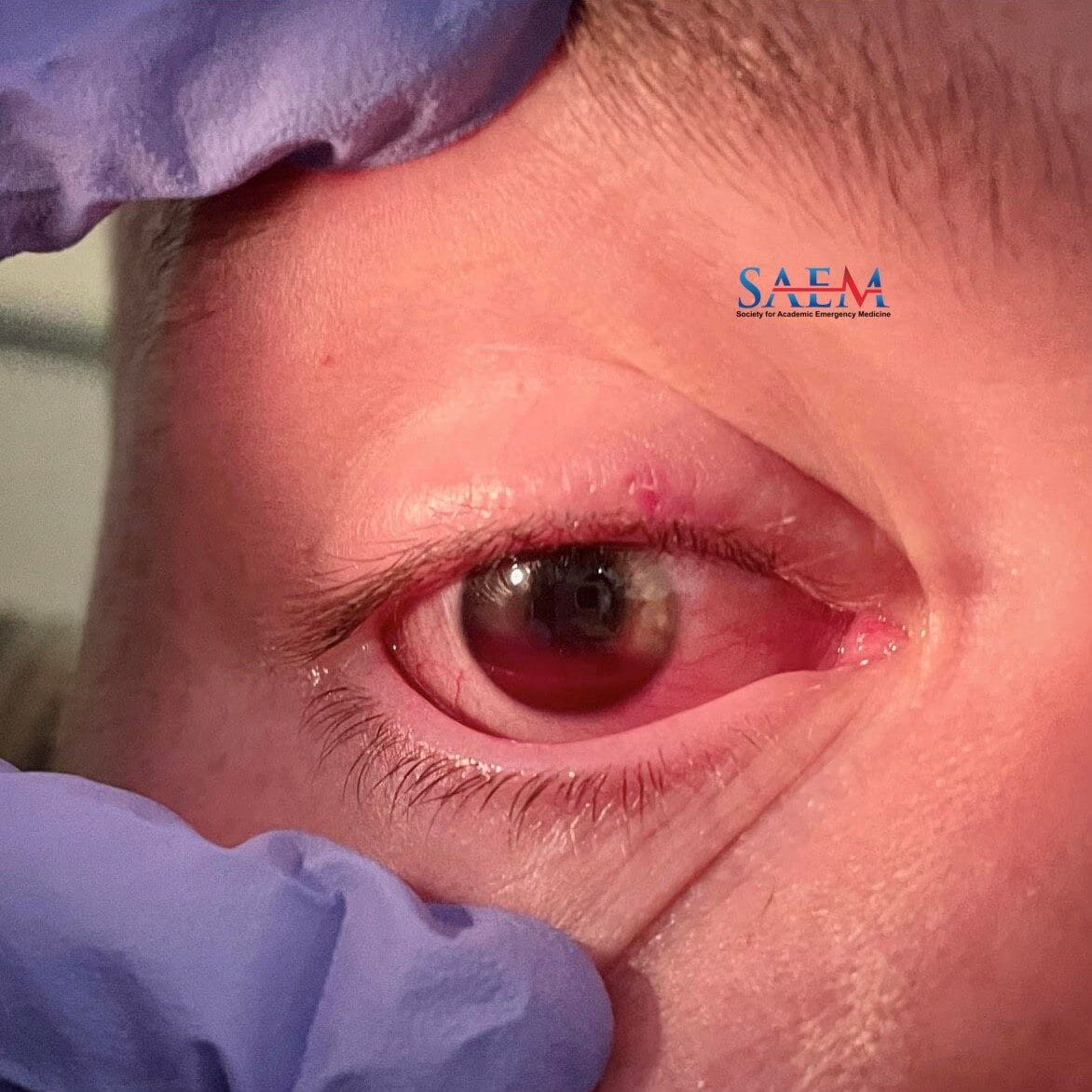
SAEM Clinical Images Series: Workout Gone Wrong
A 28-year-old male presented to the ED for evaluation of an injury to his right eye. While working out with an exercise band, it snapped back, hitting the patient in the right eye. He experienced blurry vision and excess eye tearing immediately after the incident occurred. The patient also developed gross blood over the front of the eye. Vitals: Temp 98°F, HR 73, BP (135/77), RR 16, SpO2 99% HEENT: Gross blood in the anterior portion of the right eye (grade I). The right pupil is dilated with minimal responsiveness to light. Visual [+]
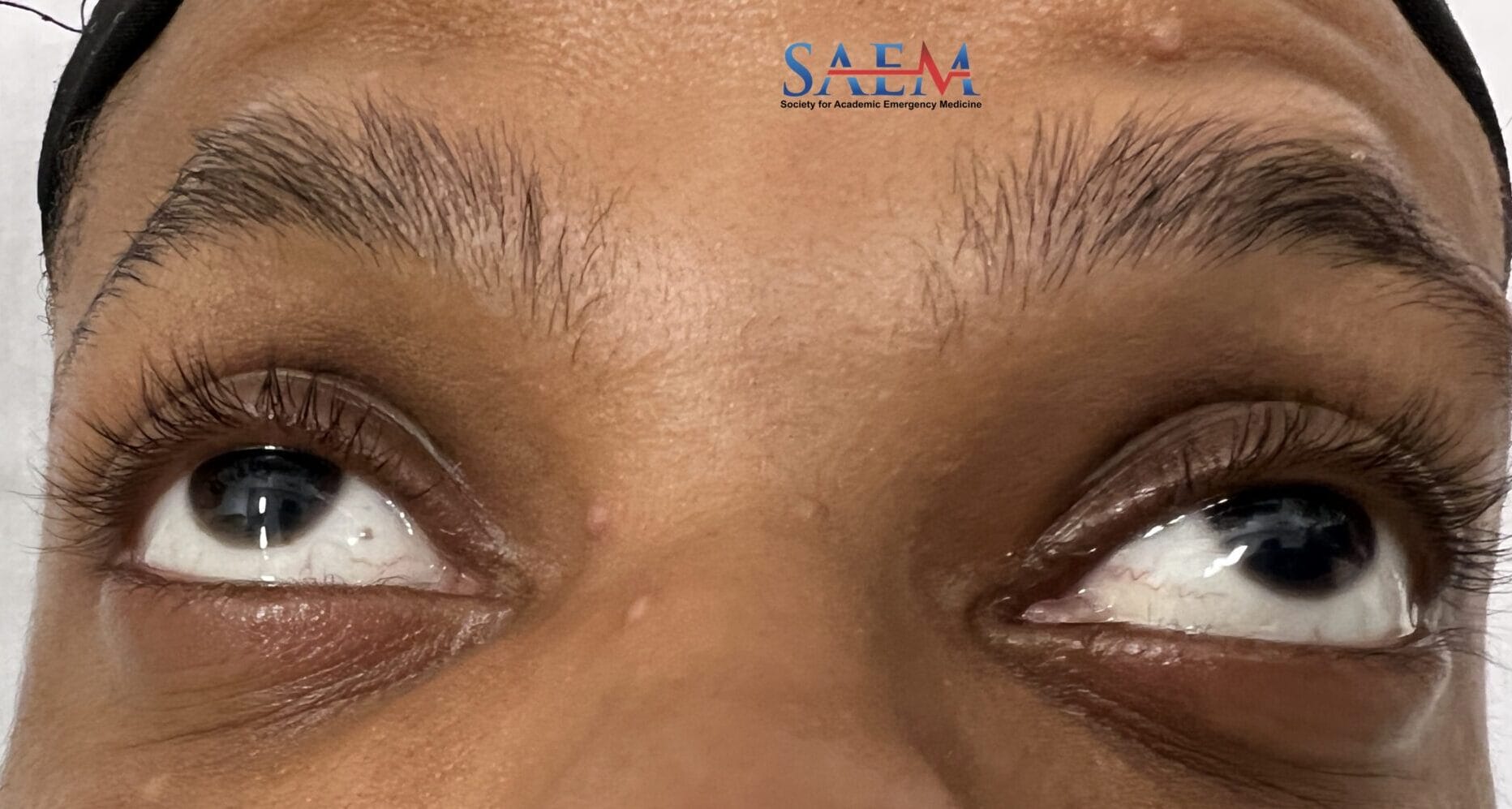
SAEM Clinical Images Series: Not Your Usual Irritated Eye
In July 2022, a 32-year-old male with a past medical history of HIV (on antiretroviral therapy, CD4 390, viral load undetectable) presented to the emergency department with constitutional symptoms and a rash for 4-5 days. His symptoms included malaise, body aches, subjective fevers, a sore throat, tender, swollen neck glands, body rash, and irritation of his left eye. He also noticed fluid-filled vesicles on his face, neck, trunk, and extremities. He denied travel outside the U.S. but reported a recent trip to New Orleans. He denied any new sexual partners or known exposure to individuals [+]
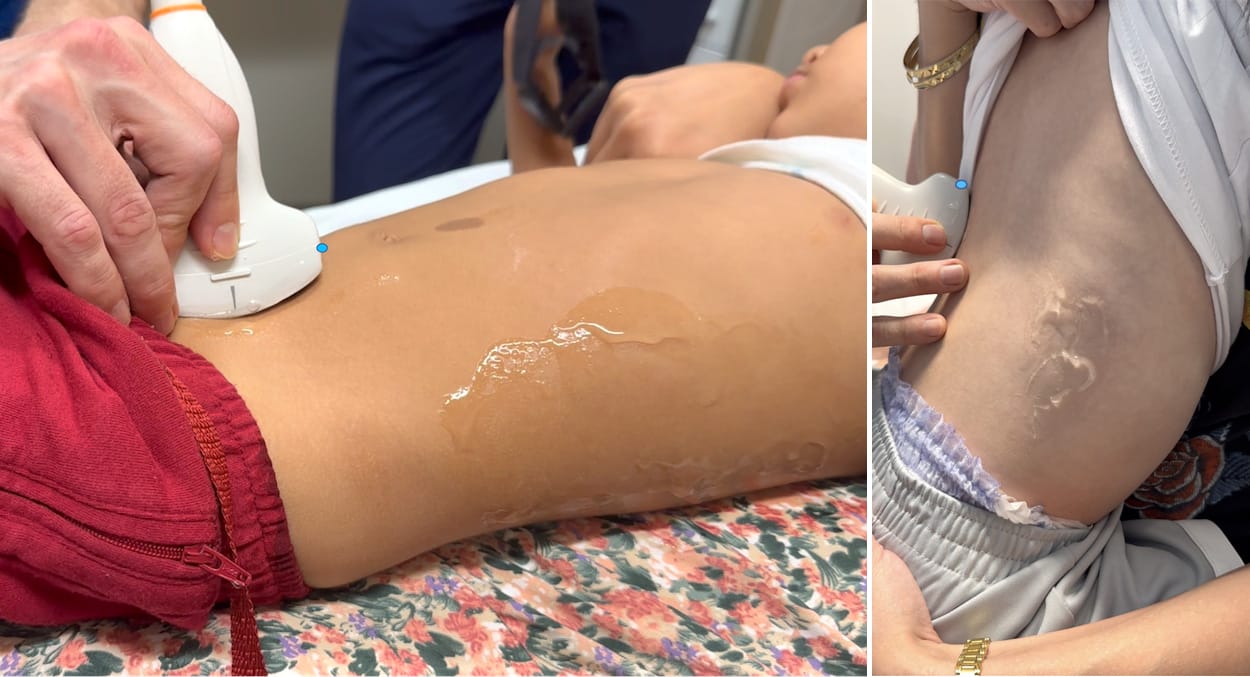
PEM POCUS Series: Pediatric Renal and Bladder Ultrasound
Read this tutorial on the use of point of care ultrasonography (POCUS) for pediatric renal and bladder ultrasonography. Then test your skills on the ALiEMU course page to receive your PEM POCUS badge worth 2 hours of ALiEMU course credit. Take the ALiEMU Quiz: Pediatric Renal and Bladder Ultrasound Module Goals List the indications for performing a pediatric renal/bladder point-of-care ultrasound (POCUS) Describe the technique for performing renal/bladder POCUS Identify hydronephrosis and its appearance at different severities List the limitations of renal/bladder POCUS Advanced: Recognize direct and other indirect signs of nephrolithiasis as well as [+]

ACMT Toxicology Visual Pearl: The Bark with Some Bite
Which medication can be derived from the bark of the pictured tree? Aspirin Atropine Colchicine Quinine [+]

Ivan Ivanov, DO
Emergency Medicine
South Brooklyn Health
Latest posts by Ivan Ivanov, DO (see all)
- ACMT Toxicology Visual Pearl: The Bark with Some Bite - March 5, [+]

SAEM Clinical Images Series: Two Pupils for the Price of One
A 24-year-old female with no pertinent PMHx presents to the ED with a chief complaint of eye pain. She reported a 10-day history of worsening right eye pain following being punched in that eye. She had been managing her pain with ice and had not taken any OTC medications. Her mom convinced her to go to the ED and she first went to an outside hospital, but was referred to come to our institution. She endorsed photophobia and blurry vision but denied double vision. She further noted occasional left-sided headaches. Vitals: [+]

How to Cite Videos, Podcasts, Apps, Media, and Blogs in a Publication or CV (AMA style 11th edition)
As medical education podcasts, videos, and blogs continue to grow in popularity it is crucial that we cite them correctly, both in publications and on our CVs. We also must recognize the important contributions of media such as clinical photographs, radiology images, and ECGs. The American Medical Association (AMA) Manual of Style released its 11th edition in 2020. This blog post provides an update to our 2018 blog articles to reflect these changes. Video Publications Last Name First Initial. Video Title. Publication Title. Year of publication. Date accessed. URL. Example: Mason J. Zipper Removal for Skin Entrapment. CorePendium. 2024. [+]

SAEM Clinical Images Series: Neonatal Rash
An 18-day-old male presented for a rash on his face for two days. The patient was born via spontaneous vaginal delivery full term without complications to a mom who has a history of genital HSV but without active lesions at delivery and on acyclovir. The patient presented with a vesicular rash on his face including around his eyes. He had conjunctival discharge noted by mom. Otherwise, he was well-appearing, acting normally, and eating/voiding/stooling normally. General: Well appearing, acting appropriately for age HEENT: Scalp normal. Anterior fontanelle soft and flat. Vesicular appearing [+]
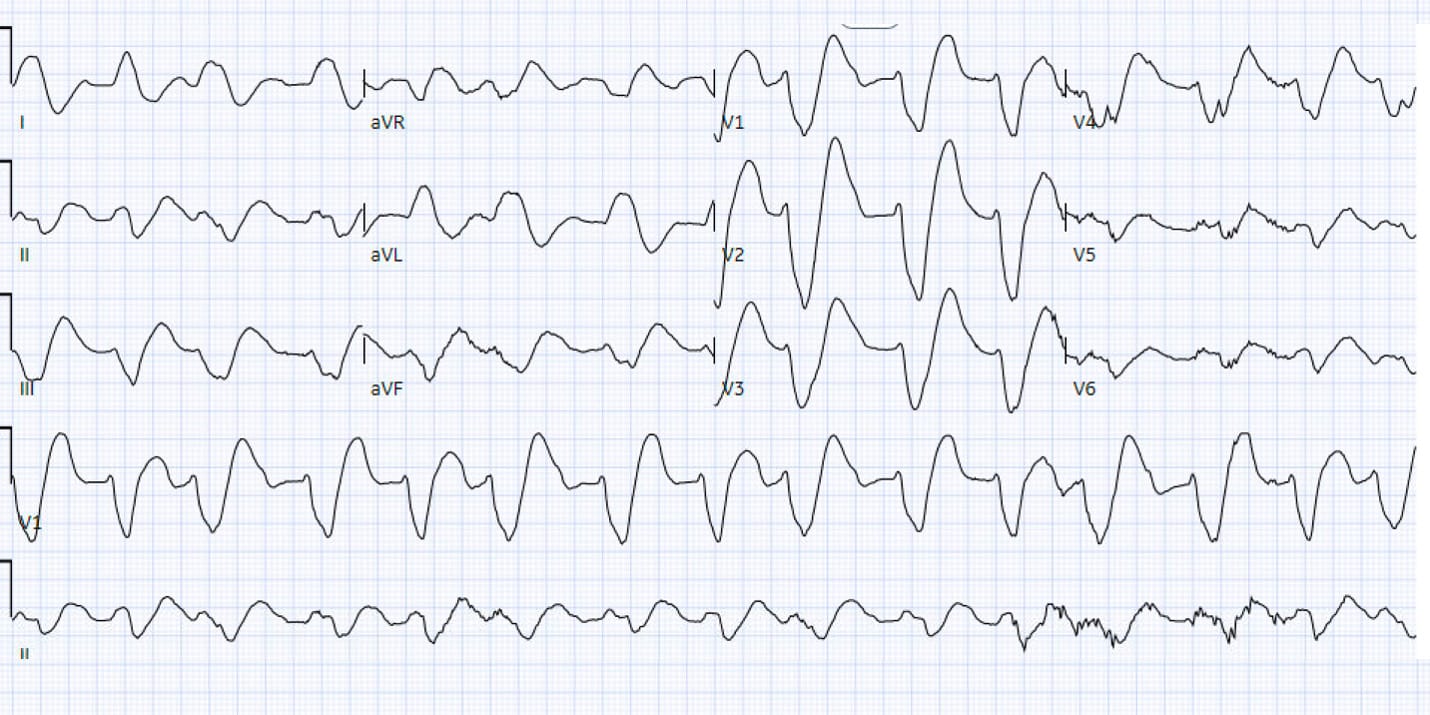
ACMT Toxicology Visual Pearl: Salt, not Shock
What agent would most likely be responsible for these ECG findings? Cyclobenzaprine Digoxin Flecainide Sotalol [+]

Timothy Harmon, MD
Inova Fairfax Medical Campus, George Washington University
Latest posts by Timothy Harmon, MD (see all)
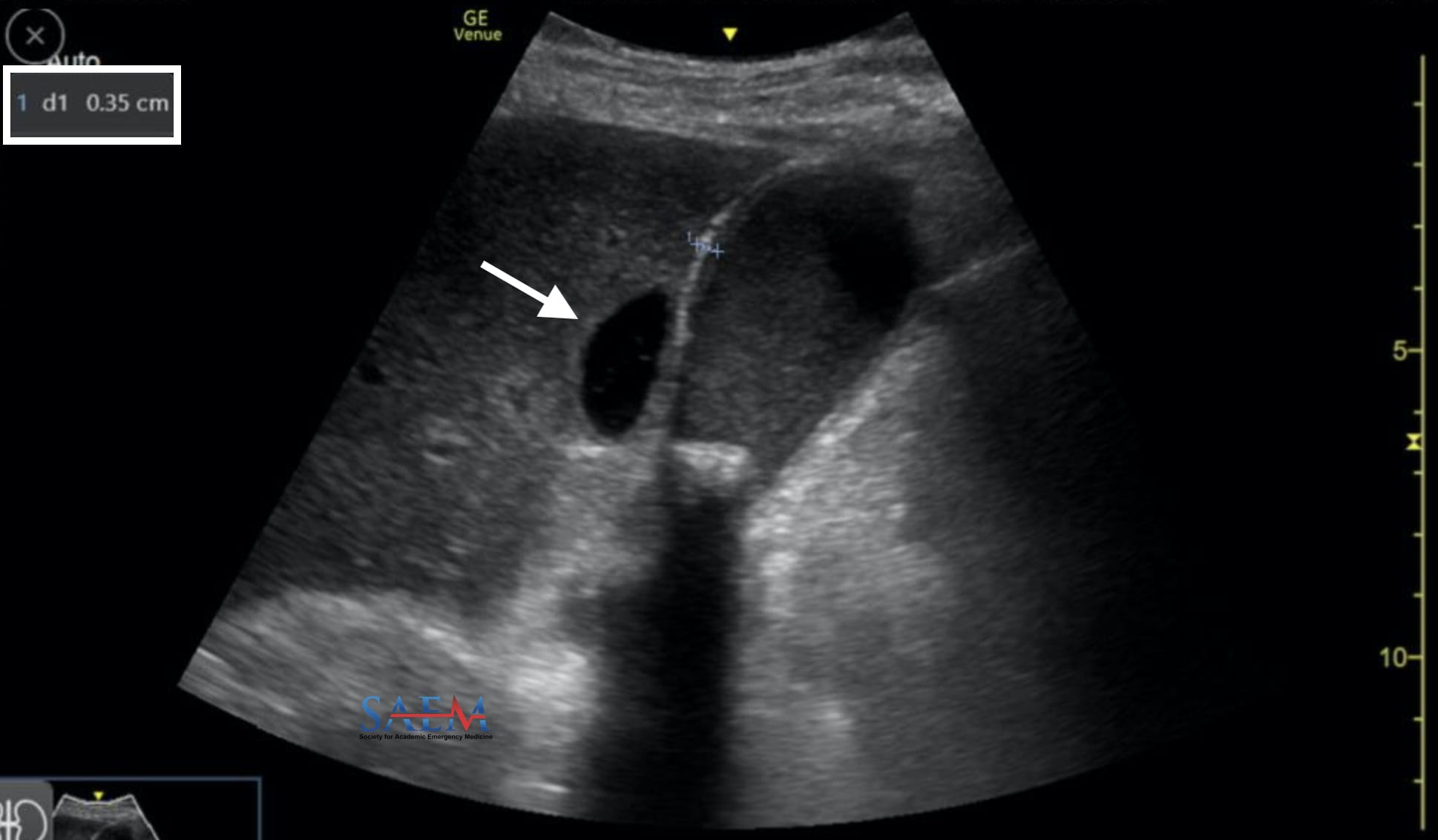
SAEM Clinical Images Series: An Ultrasonographic Rabbit Hole
An 86-year-old man with a past medical history of coronary artery disease, hypertension, hyperlipidemia, chronic kidney disease, COPD, choledocholithiasis requiring ERCP and sphincterotomy 2 years ago presented with five days of feeling unwell. History was limited due to cognitive impairment. His daughter had reported to staff he had been feeling unwell for five days, intermittently having nausea and generalized abdominal pain, subjective fevers, chest pain, and shortness of breath. His daughter also reported a history of intermittent lower abdominal cramping which was chronic for him. He denied changes to urination or bowel movements. [+]
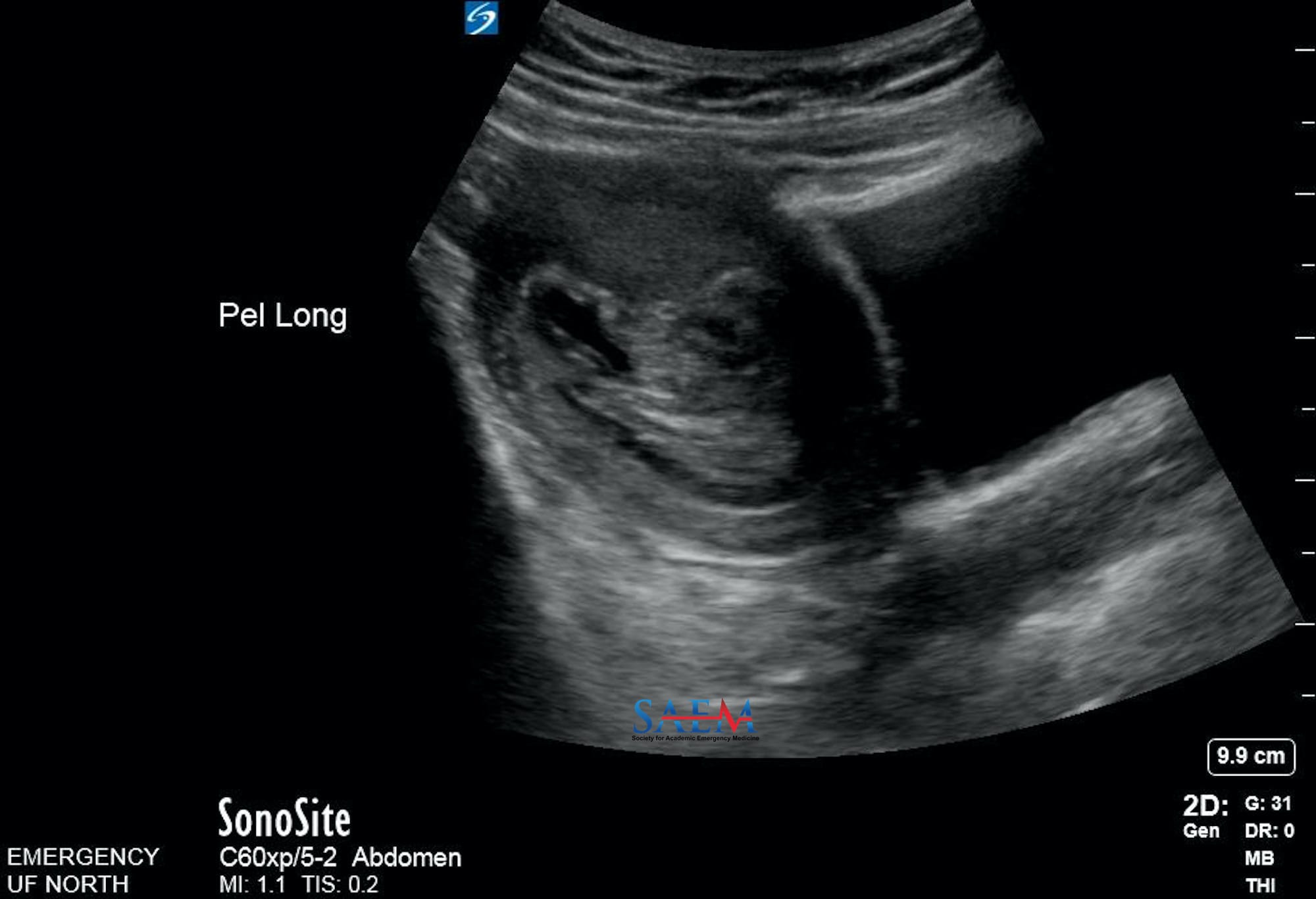
SAEM Clinical Images Series: One Month of Vaginal Bleeding
A 28-year-old female G3P2002 presented to the emergency department for one month of vaginal bleeding. The patient was seen in the emergency department one month earlier for vaginal bleeding in the first trimester of pregnancy. Her estimated gestational age was six weeks by last menstrual period. At the time her beta-hCG was 7225 mlU/mL with no intrauterine pregnancy demonstrated on transvaginal ultrasound. Three days later, the patient had declining b-hCG and transvaginal ultrasound again with no intrauterine pregnancy. The patient was discharged home with a diagnosis of miscarriage. Since discharge, she endorsed an initial slowing [+]