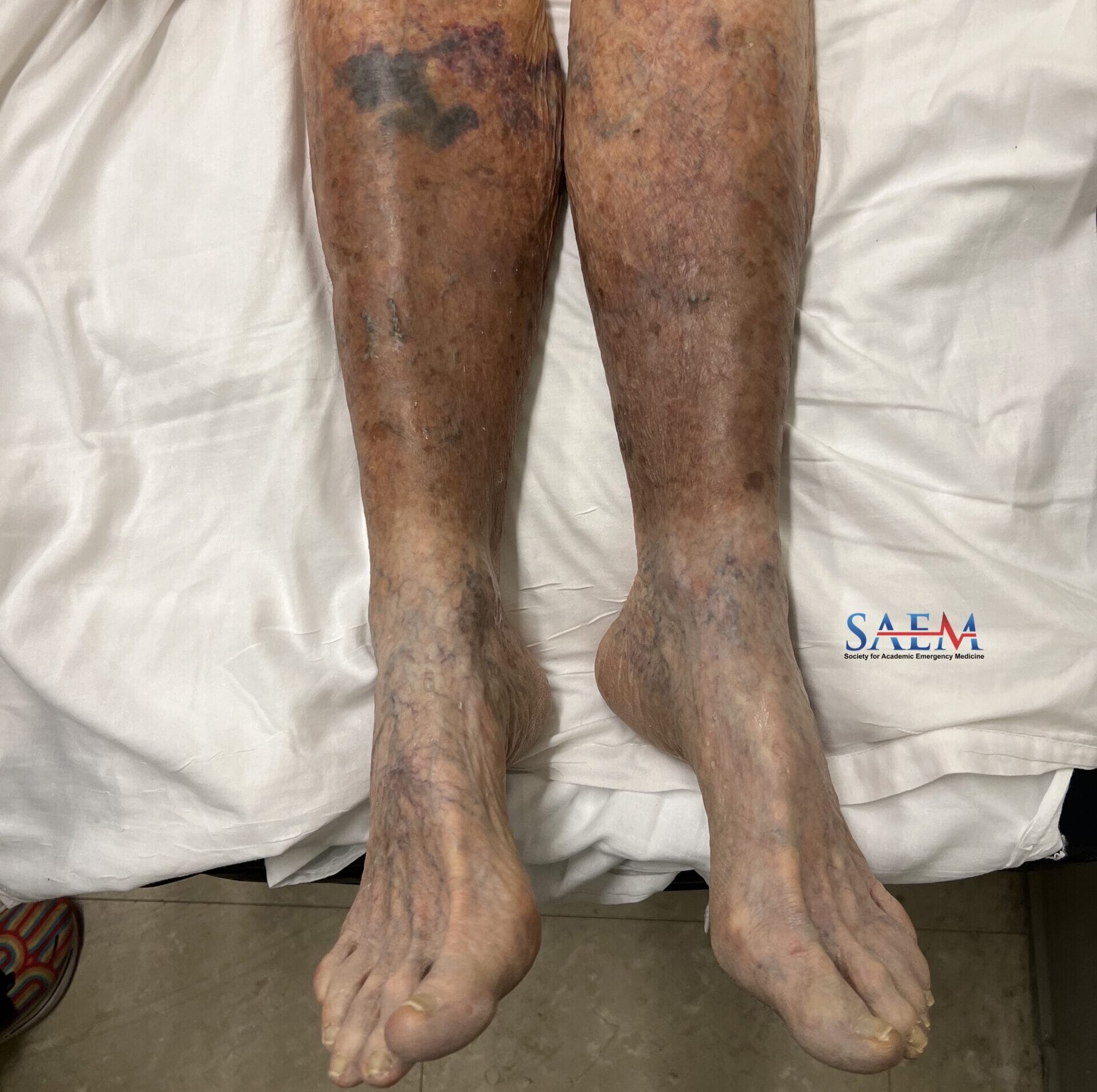
SAEM Clinical Images Series: Dusky Feet
A 94-year-old female with a past medical history of hypertension, coronary artery disease, chronic venous stasis, and permanent pacemaker placement initially presented to triage complaining of left hip pain in the setting of a fall shortly prior to arrival. Upon further evaluation, she endorsed developing sudden bilateral lower extremity weakness causing her to fall to the floor. She then experienced excruciating pain from her umbilicus down to her groin, hips, and legs (left greater than right), describing it as “being in labor.” She denied any recent fevers, chills, chest pain, shortness of breath, leg swelling, [+]
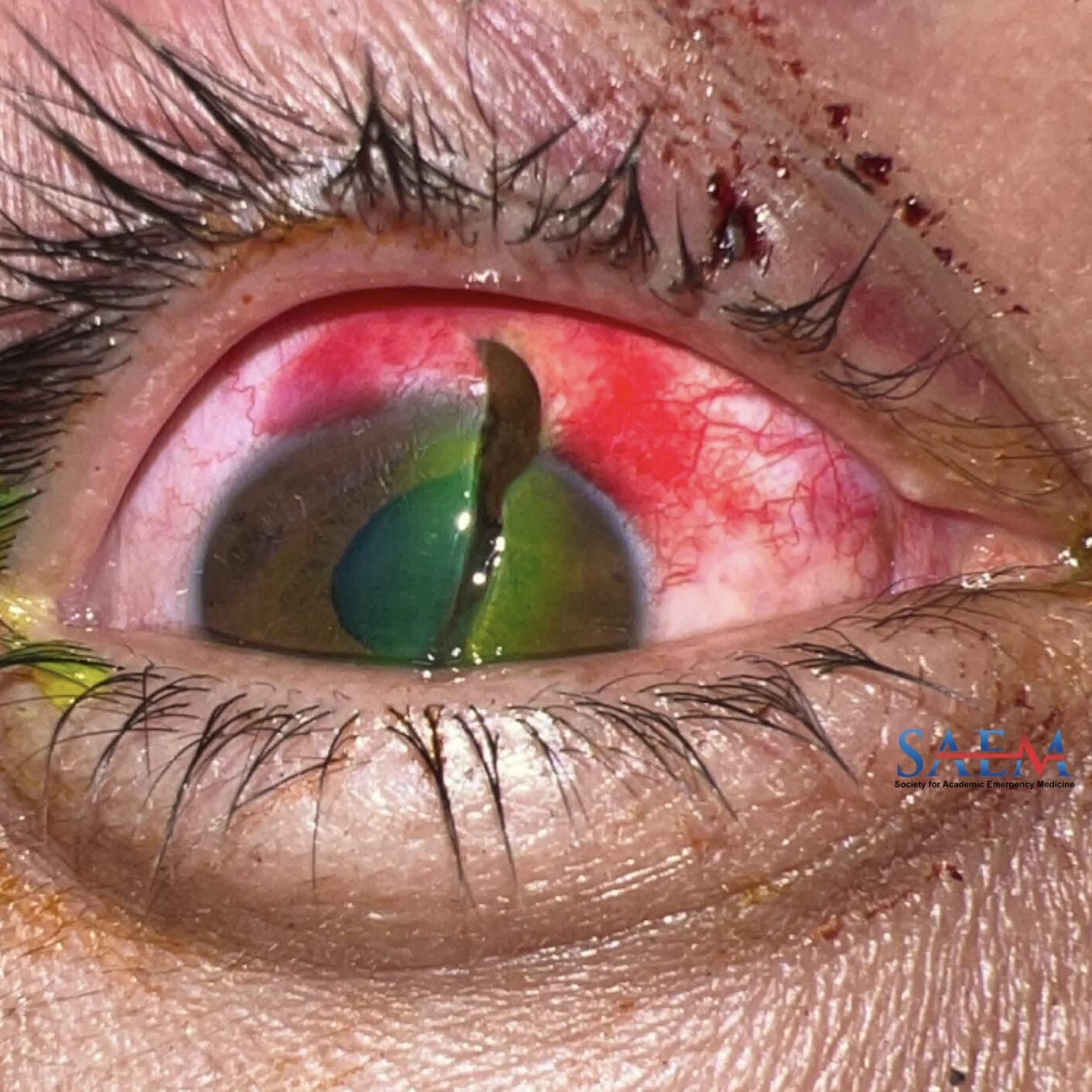
SAEM Clinical Images Series: What’s Coming Out of Your Eye?
A 32-year-old male with no significant past medical history presented to the emergency department (ED) from an outside hospital for further management of right eye pain and vision loss sustained after he was struck by a metal wire while at work. The patient presented to an outside “eye doctor” and was told to go to the nearest hospital for evaluation. At the outside hospital, he was given analgesia, antiemetics, and a tetanus booster, and transferred to our hospital for ophthalmologic evaluation. On arrival to our emergency department, the patient expressed continued eye pain with bloody [+]
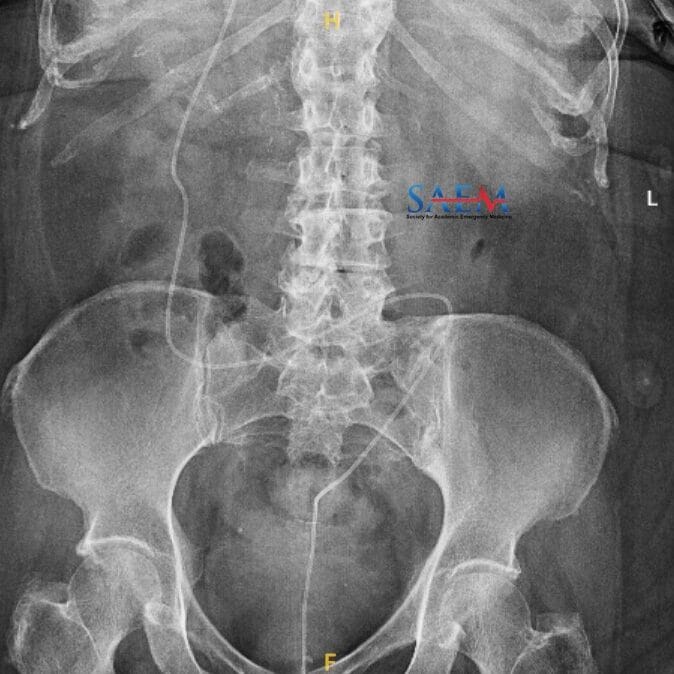
SAEM Clinical Images Series: An Unusual Foreign Body
A 61-year-old female with a past medical history of hypertension, hyperlipidemia, type 2 diabetes, and normal pressure hydrocephalus s/p VP shunt (last revision nine months ago) presented to the Emergency Department (ED) for evaluation after noticing a “string” coming out of her anus today. Associated symptoms included nausea and a mild headache for one day, and one episode of vomiting prior to arrival. The patient denied abdominal pain, dizziness, fever, chills, diarrhea, and constipation. She had no other complaints on a complete review of systems. Past surgical history was significant for laparoscopic ventral hernia repair [+]
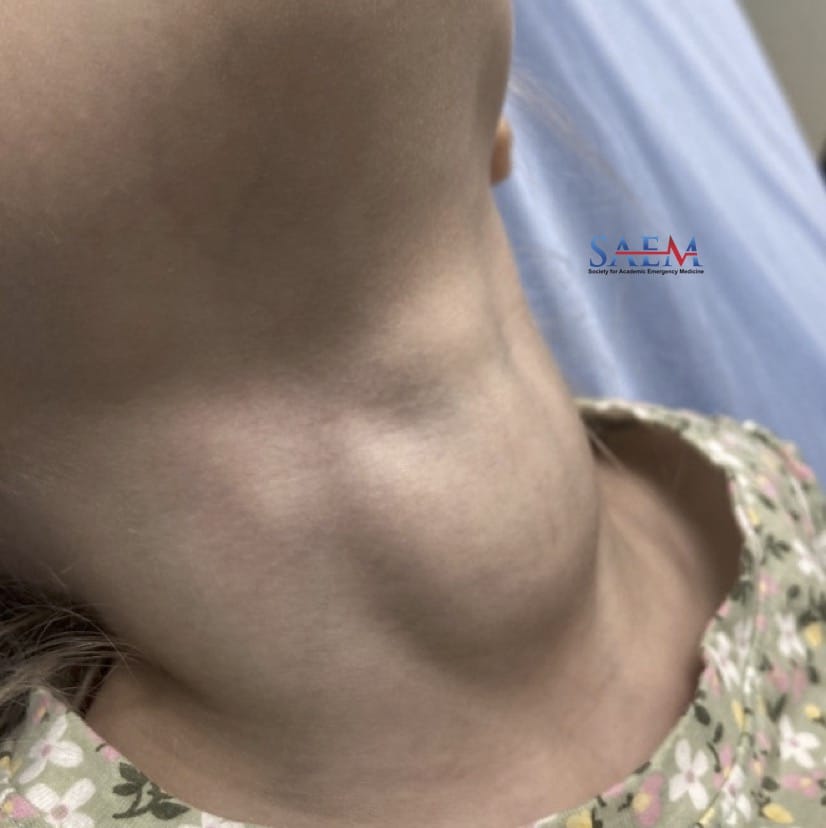
SAEM Clinical Images Series: Pediatric Neck Mass
A 5-year-old female presented to the emergency department (ED) with a one-year history of gradually increasing anterior neck swelling. The patient had no significant past medical history. She also endorsed three weeks of cough and congestion, and one day of muffled voice. She denied difficulty swallowing, fatigue, cold intolerance, or hair and nail changes. Vitals: BP 87/62; Pulse 80; Temp 36°C (96.8°F); Resp 21; SpO2 99% Constitutional: No distress. Able to speak in full sentences HEENT: Normocephalic and atraumatic. Right Ear: External ear normal. Left Ear: External ear normal. Congestion present. Mucous membranes [+]
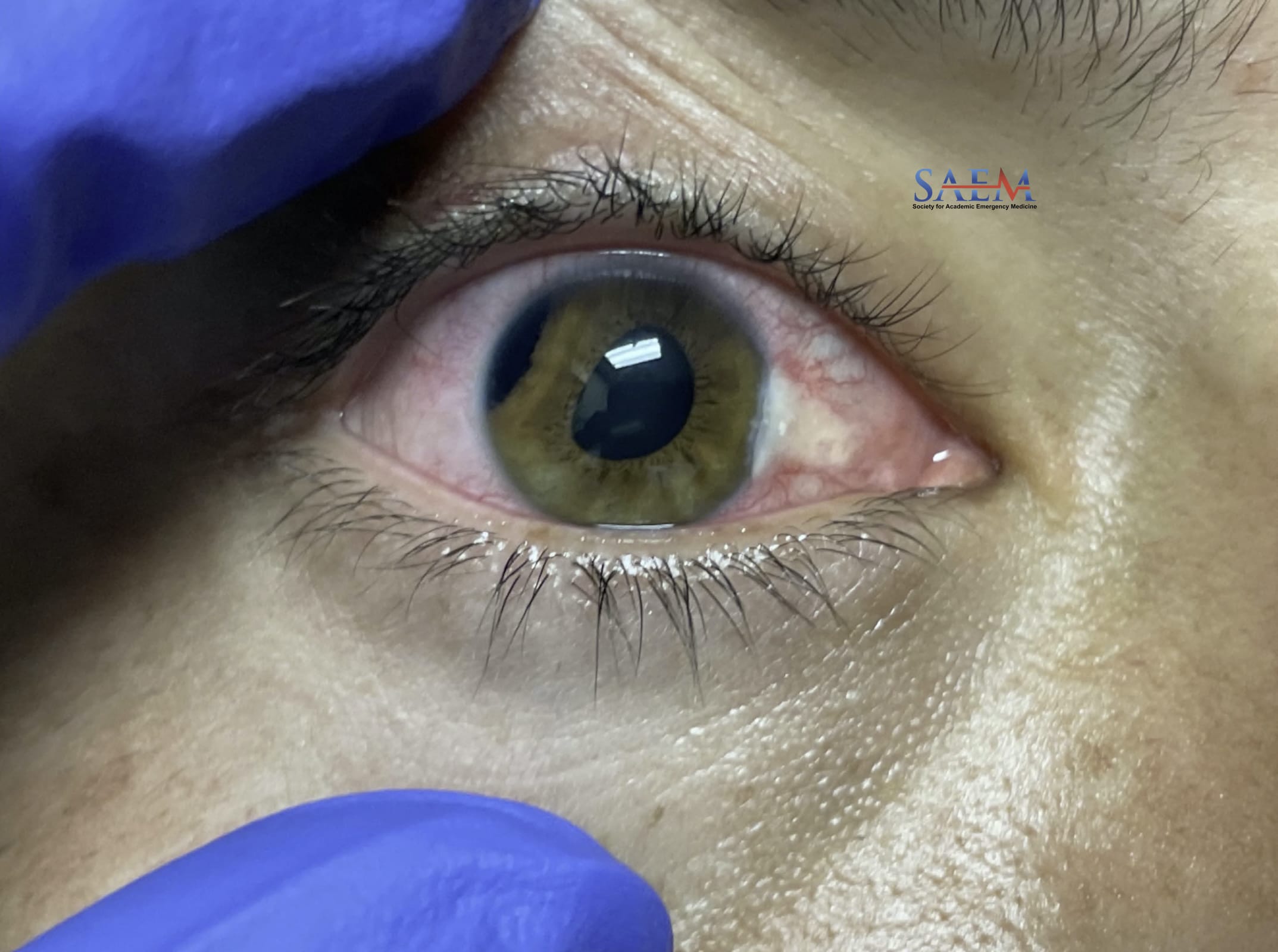
SAEM Clinical Images Series: An Interesting Case of Ocular Trauma
A 27-year-old male with no past medical history presents to the Emergency Department with right eye pain. He states that approximately one week prior, he was working on a wire fence when he lost hold of a wire under tension, and it subsequently hit him in his right eye. He had immediate pain in his affected eye and was unable to see anything but light for the next three days. His vision slowly improved though it never normalized. He continued to have pain, so he presented for evaluation. He also reported seeing floaters and denied [+]
EM Match Advice 45: 2025 ERAS Updates– What EM Applicants Need to Know
Dr. Sara Krzyzaniak, EM Match Advice Podcast Host and Stanford University PD, discusses key changes in the 2025 ERAS (Electronic Residency Application Service) application that all EM applicants should know about. Take a listen to this short 14-minute, high-yield episode before submitting your application. Podcast 45: Key 2025 ERAS updates Highlights Hometown preferences are now limited to 3 (no longer 5). A new section allows you to explaining any unplanned training extensions and interruptions. A PD-perspective on what to put in the Impactful Experiences section Program signals are now limited to 5 (no longer 7). KEY: Do NOT signal [+]

ALiEM AIR Series | Immune Module (2024)
Welcome to the AIR Immune Module! After carefully reviewing all relevant posts in the past 12 months from the top 50 sites of the Digital Impact Factor [1], the ALiEM AIR Team is proud to present the highest quality online content related to related to immune emergencies in the Emergency Department. 7 blog posts met our standard of online excellence and were approved for residency training by the AIR Series Board. More specifically, we identified 2 AIR and 5 Honorable Mentions. We recommend programs give 4 hours of III credit for this module. AIR Stamp of [+]
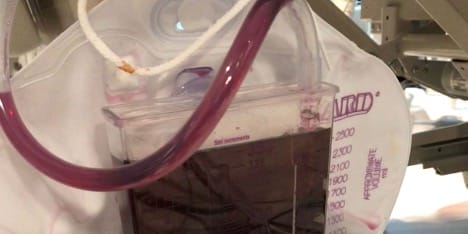
ACMT Toxicology Visual Pearl: A “Purplexing” Finding
What is most likely responsible for this urinary discoloration seen in a critically ill patient in the ICU?Beet consumptionMedication effectPorphyriaRhabdomyolysis[Authors own image] [+]

Kellie LeVine McKenzie, MD
Emory University, Atlanta, GA
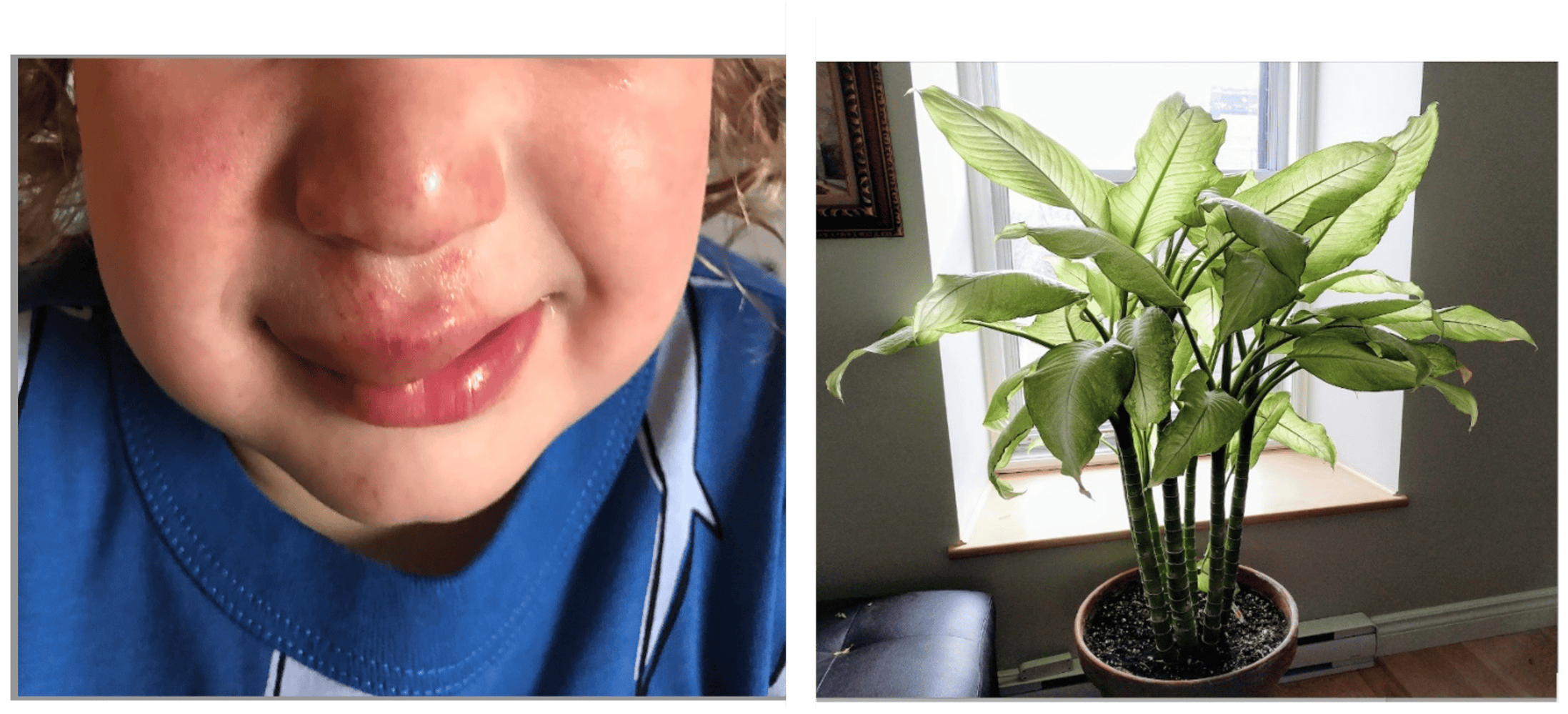
ACMT Toxicology Visual Pearl: Household Plant Gone Wrong
What toxic substance found in common houseplants (such as this one pictured) causes intense irritation of skin and mucous membranes? Calcium oxalate Lycorine Oxalic acid Terpene [Left image from Dr. Bryant Allen, MD, and right image from AJ West -Wikimedia Commons] [+]

Deryan Smith, MD
Carolinas Medical Center, Charlotte, NC

ACMT Toxicology Visual Pearl: Skin Lesions
Which of the following chronic exposures could produce lesions such as this on the hands, feet, and trunk? Inorganic arsenic Iron Lead Mercury [Image from Wikimedia Commons] [+]