SAEM Clinical Images Series: Rectal Bulge

rectal bulge

A 13-month-old, full-term male presented due to intermittent emesis over a 3-week period. He and his parents had COVID one week prior to presentation. He had multiple episodes of non-bloody, non-bilious vomit the day before and the day of presentation. Parents noted he had been listless and unable to tolerate food. The mother was also concerned that he was straining to have bowel movements and that a mass was coming out of his bottom on the ride to the hospital. Parents reported decreased activity, decreased appetite, and decreased urine output. He was born via cesarean section due to breech presentation but had an otherwise uncomplicated prenatal history.

Constitutional: Fatigued.

Gastrointestinal: Diffuse abdominal tenderness. Reducible rectal bulge.

Skin: Pale.

Anion Gap: 19

COVID-19: Positive

WBC: 11.9

Limited Abdominal Ultrasound: A large intussusception is noted, which appears to extend at least to the descending/sigmoid colon.

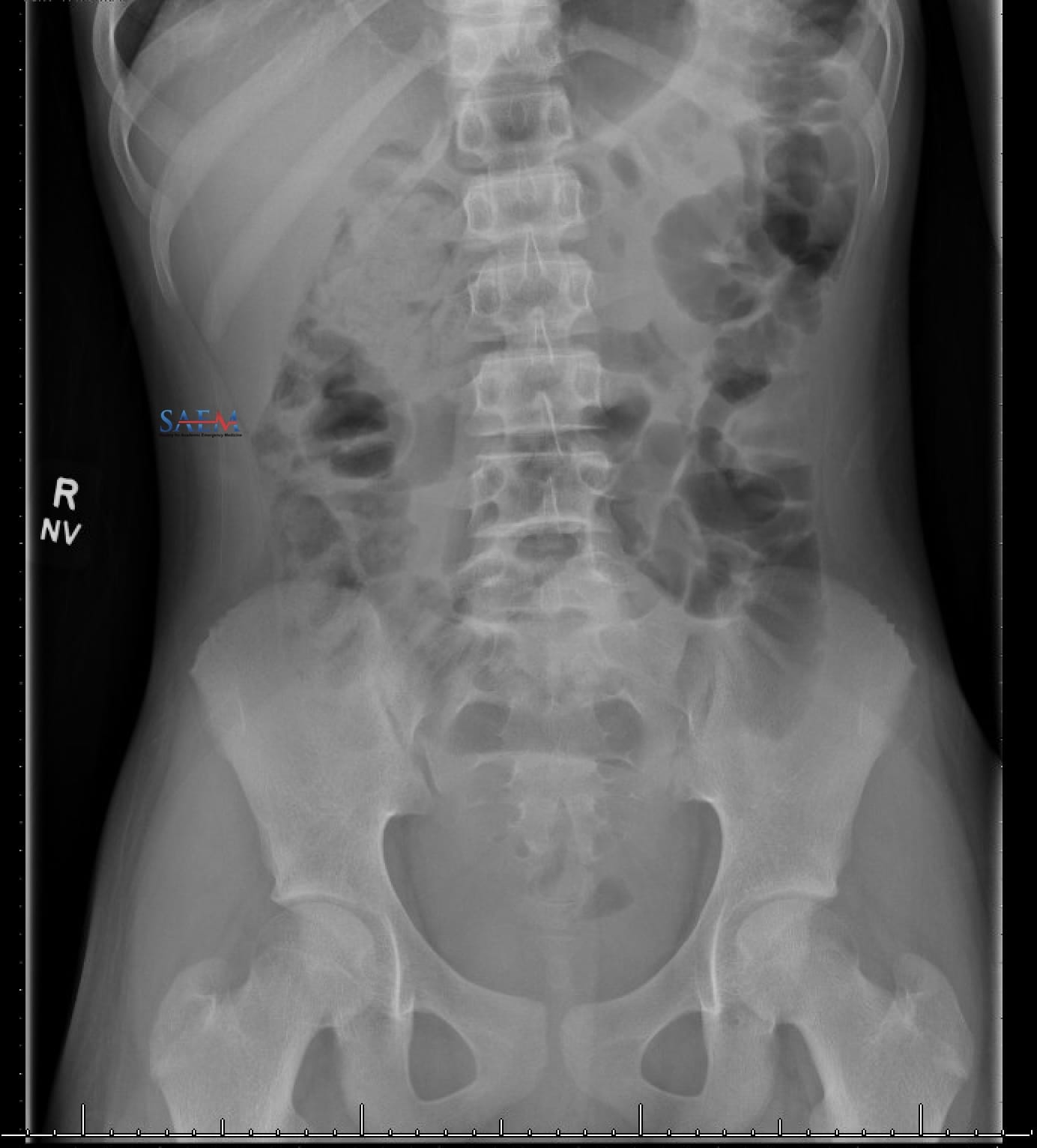
XR Abdomen: Few prominent, featureless bowel loops with air-fluid levels. No gastric distention.

Air or hydrostatic enemas have a 70-85% success rate in current literature. These are often done under either fluoroscopic or ultrasound guidance. A delayed repeat enema can be done in cases where the initial enema resolved some of the intussusception. If the initial measures are unsuccessful, the patient is unstable, or the patient is exhibiting signs of peritonitis or bowel perforation, surgical management is the next step. This can either be done laparoscopically or open. In this patient’s case, an air enema was attempted but he ultimately required surgery. The surgery was laparoscopic, and he was discharged the same day.

Take-Home Points

  • Consider intussusception in any child with a URI (including COVID-19) and a rectal bulge.
  • Although this patient had a formal ultrasound, POCUS can be a useful tool in the ED to identify and expedite intussusception treatment. The classic “bullseye sign” was seen on this patient’s ultrasound.

  • Mandeville K, Chien M, Willyerd FA, Mandell G, Hostetler MA, Bulloch B. Intussusception: clinical presentations and imaging characteristics. Pediatr Emerg Care. 2012 Sep;28(9):842-4. doi: 10.1097/PEC.0b013e318267a75e. PMID: 22929138.
  • Siafakas C, Vottler TP, Andersen JM. Rectal prolapse in pediatrics. Clin Pediatr (Phila). 1999 Feb;38(2):63-72. doi: 10.1177/000992289903800201. PMID: 10047938.

SAEM Clinical Images Series: Wilma, Take a Look at This!

A 2-year, 11-month-old female with a history of constipation was brought to the ED by her mother for abdominal pain. The mother noticed that the patient’s abdomen had been enlarging for months. When they visited the pediatrician several months ago, the pediatrician also noticed a mildly enlarged abdomen but the patient was asymptomatic at that time. She was well during the interval until more recently, the patient began to complain of persistent abdominal pain and would point to the epigastric area. The patient had two episodes of unprovoked, non-bloody, non-bilious vomiting the morning prior to the ED visit. The patient had been tolerating oral intake well, passing adequate urine, having normal bowel movements, and behaving at baseline. No associated fever, diarrhea, bloody stool, dysuria, hematuria, or weight loss.

[/fusion_text]

Vitals: Temp 97.9 °F (36.6 °C); BP 103/68; Pulse 121; RR 26; SpO2 99% on room air

Constitutional: Active, well-developed, and in no distress.

HEENT: Normocephalic and atraumatic. No scleral icterus. TMs intact, no erythema. No rhinorrhea, no erythema. Moist mucous membranes, oropharynx is clear, no exudates or erythema.

Cardiovascular: Normal rate, regular rhythm and normal heart sounds.

Pulmonary: Breath sounds normal. No wheezing, no stridor, no decreased breath sounds. Normal effort, no acute respiratory distress.

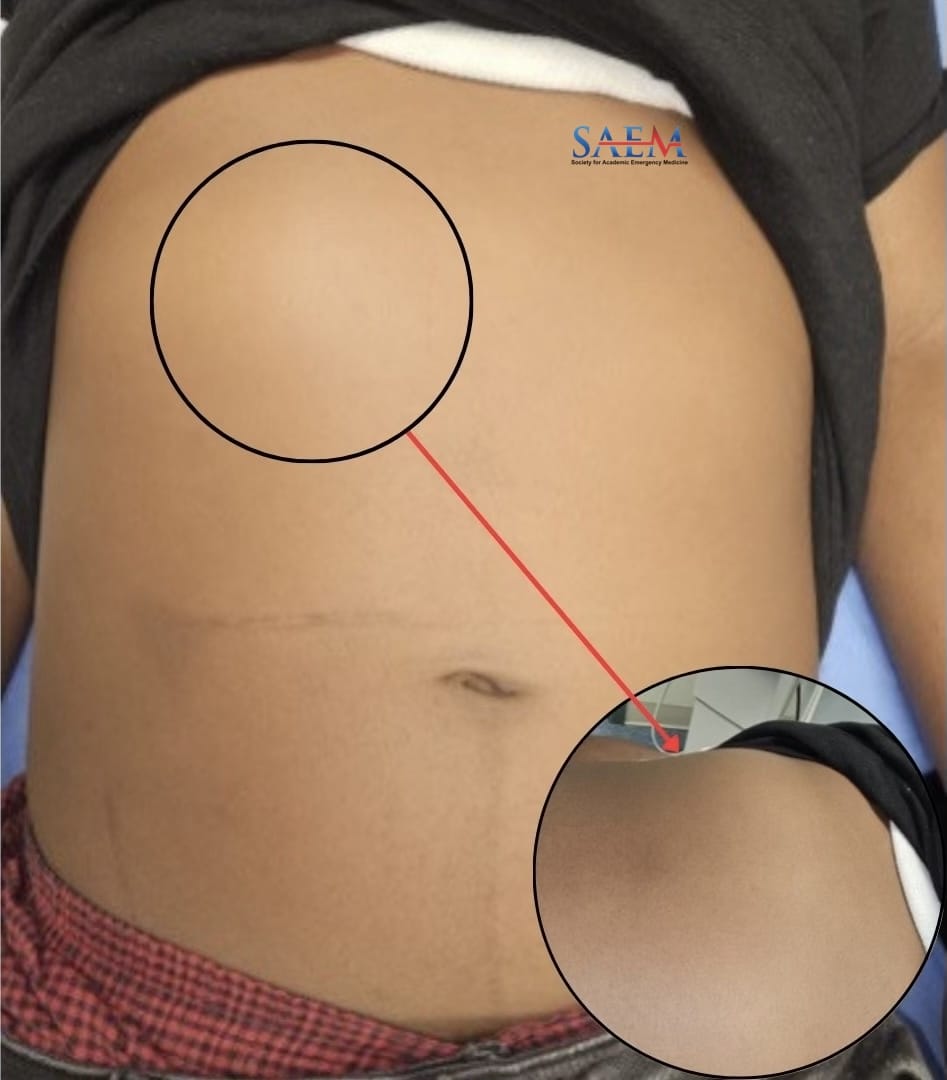
Abdomen: Protuberant, distended abdomen with mild generalized tenderness to palpation. Rigid mass palpated in the upper right quadrant. Normal bowel sounds are heard.

Genitourinary: Normal anatomy. No hernias visualized, no erythema.

Skin: No jaundice or rashes visualized.

Neurological: Awake and alert. No focal deficits present.

CBC: No leukocytosis, leukopenia, anemia, or thrombocytopenia.

CMP: Electrolytes, kidney, and liver function tests were within normal limits.

The most common pediatric renal malignancy is a Wilms tumor, also known as nephroblastoma. It is an embryonal tumor due to disrupted nephrogenesis. It affects approximately 1 in 10,000 children with the median age of onset being 3.5 years (1). The most common chief complaint is abdominal pain, as in this case.

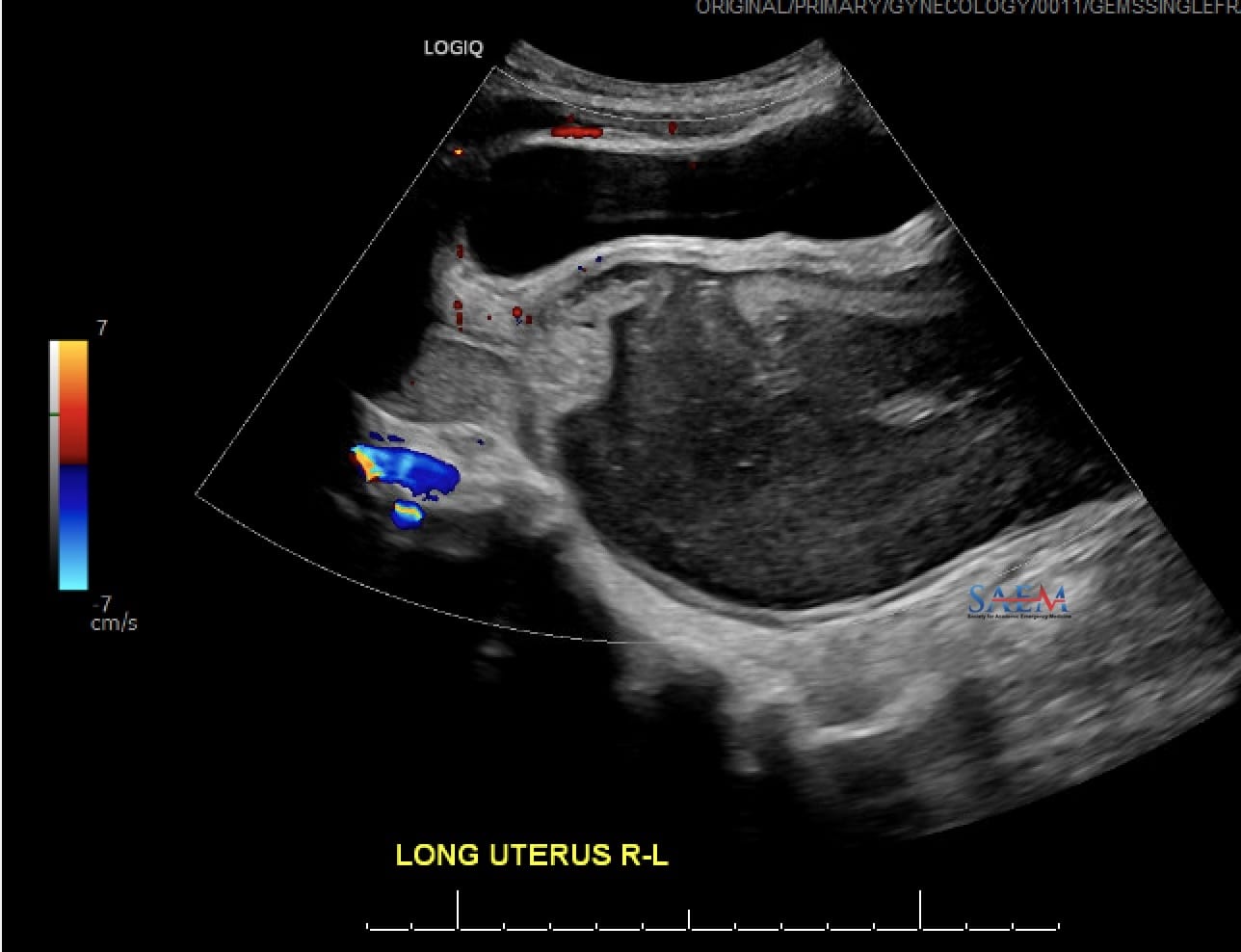
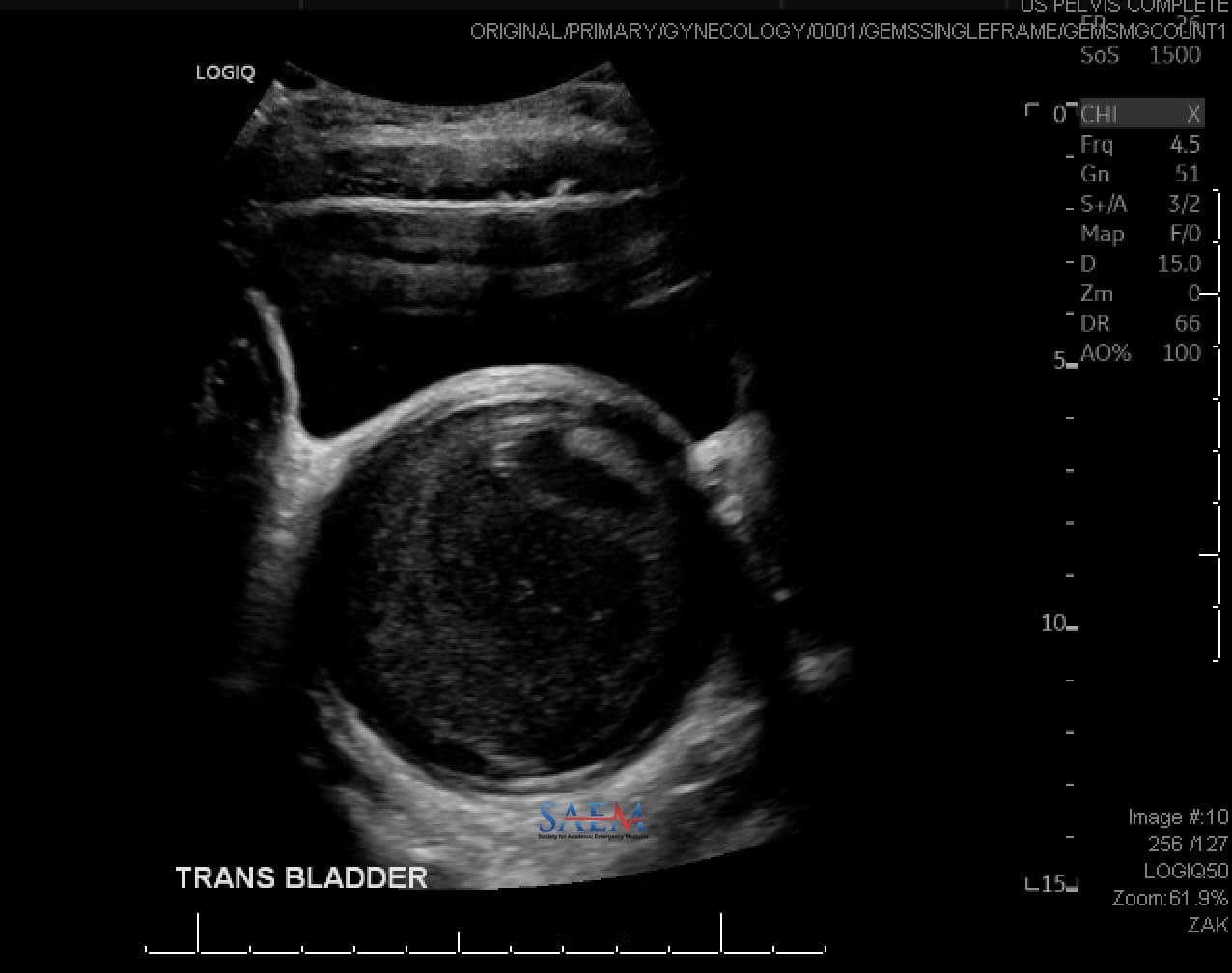
Here a large homogenous mass initially appears to be projecting from the liver, but it can also be seen protruding out of the right kidney. Pediatric abdominal organs commonly overlap so it is essential to note the origination of a mass, primarily for surgical planning. If ultrasound imaging is equivocal, CT is the next best step in differentiating the mass origination. Here, a 12 cm x 9.5 cm x 9 cm mass was noted to originate from the right kidney. If the mass becomes big enough, patients can present with vomiting due to the direct compression of the alimentary tract, such as in this case. Other presenting signs and symptoms may be fever, hypertension, anemia, hematuria, or dysuria (2).

In the US, the National Wilms Tumor Study Group recommends primary nephrectomy followed by a chemotherapy regimen that is tailored to the individual patient and tumor staging. With modern multidisciplinary management, curative therapy is achievable in approximately 90% of affected patients (2). This patient had a successful nephrectomy performed by general surgery and initiated chemotherapy on the medical floor. The patient was eventually discharged home with pediatric oncology follow-up.

Take-Home Points

  • Think of pediatric malignancy if the patient presents with chronic abdominal distention and pain.
  • Pediatric abdominal structures commonly overlap. Knowing the origination of an abdominal mass is essential for surgical planning. If ultrasound is equivocal, CT imaging is the next best step.
  • The definitive management of a Wilms tumor is a multidisciplinary approach, with primary nephrectomy followed by a tailored chemotherapy regimen as the gold-standard treatment in the US.

  1. Spreafico F, Fernandez CV, Brok J, Nakata K, Vujanic G, Geller JI, Gessler M, Maschietto M, Behjati S, Polanco A, Paintsil V, Luna-Fineman S, Pritchard-Jones K. Wilms tumour. Nat Rev Dis Primers. 2021 Oct 14;7(1):75. doi: 10.1038/s41572-021-00308-8. PMID: 34650095.
  2. Sonn G, Shortliffe LM. Management of Wilms tumor: current standard of care. Nat Clin Pract Urol. 2008 Oct;5(10):551-60. doi: 10.1038/ncpuro1218. PMID: 18836464.
  3. Leslie SW, Sajjad H, Murphy PB. Wilms Tumor. 2023 May 30. In: StatPearls [Internet]. Treasure Island (FL): StatPearls Publishing; 2023 Jan–. PMID: 28723033.

[/fusion_builder_column][/fusion_builder_row][/fusion_builder_container]

SAEM Clinical Images Series: Pediatric Neck Mass

neck mass

A 5-year-old female presented to the emergency department (ED) with a one-year history of gradually increasing anterior neck swelling. The patient had no significant past medical history. She also endorsed three weeks of cough and congestion, and one day of muffled voice. She denied difficulty swallowing, fatigue, cold intolerance, or hair and nail changes.

Vitals: BP 87/62; Pulse 80; Temp 36°C (96.8°F); Resp 21; SpO2 99%

Constitutional: No distress. Able to speak in full sentences

HEENT: Normocephalic and atraumatic. Right Ear: External ear normal. Left Ear: External ear normal. Congestion present. Mucous membranes are moist. Tonsils 4+ bilaterally with no exudate.

Neck: Approximately 3 cm x 4 cm mass on the anterior neck that does not move on protrusion of the tongue. Mass is midline and inferior to the laryngeal prominence. No associated erythema, tenderness to palpation, or drainage. No enlarged surrounding lymph nodes on palpation.

Cardiovascular: Normal rate, regular rhythm, and normal heart sounds.

Pulmonary: Breath sounds normal, no stridor, no respiratory distress, no decreased breath sounds, and no wheezes.

Abdominal: Soft. No distention or tenderness.

Neurological: Alert and normal muscle tone.

Thyroid stimulating hormone (TSH): > 100 (ref 0.50 – 4.50 MCU/ML).

Free T4: 0.5 (ref 0.8-2.0 NG/DL)

Ultrasound of the neck revealed an enlarged thyroid gland with lobular contours and diffuse hypoechoic echogenicity, without noticeable nodules, fluid collection, or lymphadenopathy.

Differential diagnosis of a neck mass in a pediatric patient includes branchial cleft cyst, thyroglossal duct cyst, cystic hygroma, laryngocele, dermoid cyst, teratoma, thymic cyst, hemangioma, ranula (mucocele), thyroid mass, enlarged lymph node, lymphoma, rhabdomycosarcoma, neuroblastoma, and melanoma [1]. When evaluating a neck mass, reviewing whether the mass is congenital vs acquired and midline vs lateral will help with narrowing down the differential diagnosis. The photo reveals a prominent anterior lower neck mass with the outline of right lobe of the thyroid gland clearly visible.

The patient was diagnosed with hypothyroidism with goiter, likely Hashimoto’s thyroiditis. She was discharged from the ED on levothyroxine 25 mcg daily with endocrinology outpatient follow-up. Levothyroxine monotherapy is the standard of care in hypothyroidism management [2]. Thyroid peroxidase and thyroglobulin antibodies were found to be positive on subsequent labwork, which confirmed diagnosis.

Take-Home Points

  • Enlarged goiter in the setting of hypothyroidism should be considered in a pediatric patient with a midline lower neck mass.
  • When suspecting hypothyroidism, thyroid stimulating hormone (TSH) and free T4 should be included in the evaluation. An ultrasound and thyroid antibodies may also be helpful to confirm diagnosis.

  • Geddes G, Butterly MM, Patel SM, Marra S. Pediatric neck masses. Pediatr Rev. 2013 Mar;34(3):115-24; quiz 125. doi: 10.1542/pir.34-3-115. PMID: 23457198.
  • Jonklaas J, Bianco AC, Bauer AJ, Burman KD, Cappola AR, Celi FS, Cooper DS, Kim BW, Peeters RP, Rosenthal MS, Sawka AM; American Thyroid Association Task Force on Thyroid Hormone Replacement. Guidelines for the treatment of hypothyroidism: prepared by the american thyroid association task force on thyroid hormone replacement. Thyroid. 2014 Dec;24(12):1670-751. doi: 10.1089/thy.2014.0028. PMID: 25266247; PMCID: PMC4267409.

PEM Pearls: Approach to Spontaneous Intracranial Hemorrhage in Pediatric Patients

pediatric intracranial hemorrhage on MRI

Case:

A 6-year-old female with a past medical history of immune thrombocytopenia presents to the Emergency Department (ED) for concerns of dysarthria that started the day prior to arrival. The patient’s mother denies any recent trauma, including head injury.

Vitals and Physical Exam

  • Blood pressure 109/80
  • Pulse 121 beats/minute
  • Respiratory rate 22 breaths/minute
  • Oxygen saturation 100% on room air
  • Temperature 36.8ºC

Her physical exam is remarkable for a mild right-sided facial droop with forehead sparing and dysarthria.

Initial Work-Up

The patient’s ED workup shows the following:

  • Point-of-care glucose: Normal
  • Platelet count: 0 platelets/liter
  • Hemoglobin: 9.8 g/dL
  • Head CT: Frontal lobe hemorrhage

Background

Although rare, pediatric intracranial hemorrhage (ICH) contributes to almost half of all childhood strokes and can cause lifelong disability and death [1]. One 3-center prospective study on pediatric ICH noted a 9% mortality rate with ⅓ of survivors having “significant disability” at 2-year follow-up [2]. Primary predictors of adverse outcomes from pediatric ICH involve the following [2-4]:

  • Hemorrhagic lesion volume
  • Presence of hydrocephalus and/or herniation
  • Altered mental status

Multiple studies consistently point to vascular causes such as arteriovenous malformation as a leading risk factor for spontaneous pediatric ICH followed by hematological pathologies including coagulation deficiencies [5-7].  No matter the cause, the sequelae of pediatric ICH can be devastating making early detection and immediate intervention essential for better outcomes. Unfortunately, given children often present with vague and non-specific symptoms, there is often a delay in presentation to care and in diagnosis [8]. Unfortunately, in contrast to adults, there are no set guidelines for the management of pediatric ICH despite its associated morbidity and mortality.

Clinical Findings

Although headache is the most common presenting symptom, other symptoms can vary [6,8,9]. In one study, children <6 years old were more likely to present with symptoms such as seizures and altered mental status, while children ≥6 years presented more with focal deficits, headache, vomiting, and altered mental status [9].

Presenting Symptom/FindingIncidence
Headache46-80%
Vomiting21-64%
Altered mental status37-50%
Seizures37-54%
Focal deficits (hemiparesis and aphasia)16-50%
Table 1. Incidence rates of common symptoms and findings in pediatric patients with a spontaneous intracranial hemorrhage (adapted from Boulouis G, et al [7].) 

Differential Diagnosis

Given how rare pediatric ICH is, consider other diagnoses when a patient presents with focal deficits, altered mental status, and/or vague symptoms such as headache and weakness.

  1. Bell’s palsy
  2. Cerebral venous thrombosis
  3. Complicated migraines
  4. Drug intoxication/exposure
  5. Inborn error of metabolism
  6. Intracranial mass
  7. Ischemic stroke
  8. Metabolic derangements (hypoglycemia, hyponatremia)
  9. Non-accidental trauma
  10. Posterior Reversible Encephalopathy Syndrome (PRES)
  11. Seizures with Todd’s paralysis

Approach for the ED Provider

Key history questions:

  1. When did the symptoms start?
  2. Does the child or anyone in the family have any history of bleeding disorder?
  3. Have you noticed excessive bruising from minimal trauma?
  4. Has the child had any recent illnesses?

Key physical exam findings:

  1. Is there any bruising, gum bleeding, or signs of non-accidental trauma?
  2. In infants, is the fontanelle bulging or flat?
  3. Are there any focal neurologic findings such as facial droop, pupil asymmetry, etc?
  4. Are there any signs of increased intracranial pressure (i.e., papilledema)?

Workup to initiate:

Emergency medicine physicians should have strong suspicion for ICH particularly in the setting of a pediatric patient presenting with acute onset of headache, vomiting, altered mental status, seizure, and/or focal deficits.

  1. Emergent neuroimaging: CT or MRI is essential in order to distinguish between ischemic versus hemorrhagic causes. CT is often the first imaging study completed due to ease of access. If no acute intracranial process is noted, MRI is warranted to evaluate for ischemic stroke or other etiology.
  2. Laboratory studies:
    • Point-of-care glucose
    • Comprehensive metabolic panel
    • Ammonia (if concerned for inborn error of metabolism)
    • Comprehensive blood count
    • Prothrombin time with INR, partial thromboplastin time
    • Urine drug screen (if concerned for drug exposure contributing to symptoms)

Management:

If a patient has a confirmed ICH, consultation with neurosurgery is required. Immediate transfer may be necessary if your facility does not have neurosurgical services. Further management includes:

  1. Reversing coagulopathy [7,10,11]:
    • If the patient has an underlying coagulopathy, consider intravenous vitamin K and/or fresh frozen plasma.
    • Pediatric patients with hemophilia require immediate factor replacement (factor VIII or IX).
    • Patients on anticoagulation need anticoagulation reversal with the appropriate reversal agents.
  2. Neuroprotective supportive measures (prevent worsening brain injury)
    • Monitor the patient closely with frequent neurologic checks for any signs of deterioration.
    • Maintain euglycemia as hyperglycemia is associated with worse outcomes [7].
    • Maintain normothermia. Use external cooling measures or antipyretics to manage hyperthermia [10].
    • Treat clinical and subclinical seizures with antiepileptics. Consider EEG monitoring to detect subclinical status [7].  The benefits of prophylactic administration of antiepileptics is unknown in this population [10].
    • Avoid hypotension [7, 10]. There are no established guidelines for hypertension management in pediatric ICH; blood pressure goals should be discussed with the neurosurgical team and blood pressure variability should be avoided.
  3. Treatment of increased intracranial pressure:  If the patient has a change in mental status or develops focal deficits, an increase in intracranial pressure should be suspected [10,11].
    • Treat hypotension, hypercapnia, and hypoxia.
    • Elevate the head of the bed to 30 degrees.
    • Ensure appropriate pain control.
    • Sedation may be necessary but be wary of resultant hypercapnia and consider intubation if patients require a lot of sedation or become too somnolent following medication.
    • In patients with acute deterioration or concern about impending herniation, consider hyperventilation if the patient is intubated and/or treatment with a hyperosmolar agent like mannitol or hypertonic saline.
    • Some patients may need acute interventions such as an external ventricular drain or operative decompression with clot removal.
    • Steroids have not been shown to be beneficial [10].

Case Resolution

The patient was transferred to a tertiary care center. Further imaging confirmed an intraparenchymal hemorrhage in the left frontal lobe and right parietal lobe with midline shift. No underlying lesions or vascular malformation were seen.

Management: The patient was admitted to intensive care and received tranexamic acid and a platelet transfusion. She was monitored by neurosurgery but no surgical interventions were needed. For her idiopathic thrombocytopenia, she received steroids and IV immunoglobulin.

Hospital Course: Her deficits and platelet count improved during her stay, and she was discharged on hospital day 5 with outpatient neurology and hematology follow-up.

Outpatient: Repeat imaging 3 weeks after discharge showed resolution of the midline shift and decrease in hemorrhage size.

Pearls

  • Consider pediatric ICH in patients presenting with focal deficits, altered mental status, and/or generalized symptoms such as headache, seizures, and weakness.
  • Management of pediatric ICH is focused on maintaining physiological homeostasis and preventing further brain injury.
  • Call your neurosurgical team early for consultation and evaluation or transfer your patient to the appropriate tertiary care center.

Read more pediatric EM blog posts in the PEM Pearls series.

References

  1. Baldovsky MD, Okada PJ. Pediatric stroke in the emergency department. J Am Coll Emerg Physicians Open. 2020;1(6):1578-1586. Published 2020 Oct 6. doi:10.1002/emp2.12275. PMID: 33392566
  2. Porcari GS, Beslow LA, Ichord RN, Licht DJ, Kleinman JT, Jordan LC. Neurologic Outcome Predictors in Pediatric Intracerebral Hemorrhage: A Prospective Study. Stroke. 2018;49(7):1755-1758. doi:10.1161/STROKEAHA.118.021845 PMID: 29895534
  3. Guédon A, Blauwblomme T, Boulouis G, et al. Predictors of Outcome in Patients with Pediatric Intracerebral Hemorrhage: Development and Validation of a Modified Score. Radiology. 2018;286(2):651-658. doi:10.1148/radiol.2017170152 PMID:29023219
  4. Jordan LC, Kleinman JT, Hillis AE. Intracerebral hemorrhage volume predicts poor neurologic outcome in children. Stroke. 2009;40(5):1666-1671. doi:10.1161/STROKEAHA.108.541383 PMID: 19286576
  5. Ciochon UM, Bindslev JBB, Hoei-Hansen CE, et al. Causes and Risk Factors of Pediatric Spontaneous Intracranial Hemorrhage-A Systematic Review. Diagnostics (Basel). 2022;12(6):1459. Published 2022 Jun 13. doi:10.3390/diagnostics12061459 PMID: 35741269
  6. Al-Jarallah A, Al-Rifai MT, Riela AR, Roach ES. Nontraumatic brain hemorrhage in children: etiology and presentation. J Child Neurol. 2000;15(5):284-289. doi:10.1177/088307380001500503 PMID: 10830193
  7. Boulouis G, Blauwblomme T, Hak JF, et al. Nontraumatic Pediatric Intracerebral Hemorrhage. Stroke. 2019;50(12):3654-3661. doi:10.1161/STROKEAHA.119.025783 PMID: 31637968
  8. Yock-Corrales A, Mackay MT, Mosley I, Maixner W, Babl FE. Acute childhood arterial ischemic and hemorrhagic stroke in the emergency department. Ann Emerg Med. 2011; 58:156–163. doi: 10.1016/j.annemergmed.2010.10.013 PMID: 21310508
  9. Lo WD, Lee J, Rusin J, Perkins E, Roach ES. Intracranial Hemorrhage in Children: An Evolving Spectrum. Arch Neurol. 2008;65(12):1629–1633. doi:10.1001/archneurol.2008.502 PMID: 19064750
  10. Ferriero DM, Fullerton HJ, Bernard T, et al. Management of stroke in neonates and children. A scientific statement from the American Heart Association/American Stroke Association. Stroke. 2019;50:e51-e96. doi: 10.1161/STR.0000000000000183 PMID: 30686119
  11. Tsze D and Steele D. Neurosurgical Emergencies, Nontraumatic. In: Fleisher G and Ludwig S,. eds. Textbook of Pediatric Emergency Medicine, 6e. Lippincott Willimas and Wilkins. 2010. Accessed online 5/23/2024.

From Collision to Clarity: PECARN cervical spine injury prediction rule for injured children

PECARN cervical spine injury prediction tool featured image (adapted from Midjourney)

For years, adult literature has provided clear guidelines for cervical spine imaging through the NEXUS and Canadian C-spine Rule (CCR) tools. These have been invaluable in helping clinicians decide when to image the neck in trauma patients. Similarly, the Pediatric Emergency Care Applied Research Network (PECARN) has developed robust tools for assessing blunt head trauma in children. However, until now, there has been a gap in guidance for clinicians managing pediatric patients at risk for cervical spine injuries.

Case Scenario: What would you do?

A 10-year-old boy presents to the emergency department (ED) after a high-speed motor vehicle collision. He complains of neck pain and is reluctant to move his head. The child’s mother is extremely worried, fearing the worst after witnessing the collision.

The Problem

Cervical spine injuries in children, while uncommon, can be devastating if not identified and treated promptly. Emergency physicians often face the challenge of deciding whether to proceed with imaging, given the potential risks associated with ionizing radiation from CT scans. The lack of clear guidelines specifically tailored for pediatric patients has historically led to either overuse of imaging, with its associated risks, or underuse, with the risk of missed injuries.

PECARN Cervical Spine Injury Prediction Rule

On June 4, 2024, Lancet published “PECARN prediction rule for cervical spine imaging of children presenting to the emergency department with blunt trauma: a multicentre prospective observational study.” This study proposes a new clinical prediction rule to guide imaging decisions for pediatric cervical spine injuries.

The study enrolled 22,430 children, aged 0–17 years, presenting with blunt trauma across 18 PECARN-affiliated ED in the US. About half were in the derivation and half in the validation cohort. The researchers derived and validated a clinical prediction rule using data from these children, which identified key risk factors for cervical spine injury, divided into high-risk and non-negligible (intermediate) risk factors.

High Risk (>12.1% risk of injury) -> Consider CT

  • Altered mental status (GCS 3-8 or AVPU = U)
  • Abnormal airway
  • Breathing
  • Circulation findings
  • Focal neurological deficits

Intermediate Risk (2.8% risk of injury) -> Consider X-Rays

  • Neck pain or midline neck tenderness
  • Mental status: GCS 9-14, AVPU = V or P, or other signs of altered mental status
  • Substantial head or torso injury

Definition on Cervical Spine Injury

  • Fractures or ligamentous injuries of the cervical spine
  • Cervical intraspinal hemorrhage
  • Cerebral artery injury
  • Cervical spinal cord injury, including
    • Changes in the cervical spinal cord on MRI
    • Cervical spinal cord injury without radiographic association
PECARN Cervical Spine Injury Prediction Tool

PECARN Cervical Spine Injury Prediction Tool (Download full sized PDF at PECARN site)

The prediction rule had strong test characteristics with 94.3% sensitivity and 99.9% negative predictive value, indicating that it can reliably identify children who do not need imaging, thus avoiding unnecessary radiation exposure. This evidence-based approach to pediatric trauma care would have reduced the number of CT scans by more than 50% without missing clinically relevant injuries.

Case Example Resolution

Using the PECARN cervical spine injury prediction rule, the attending physician evaluates the boy and finds that he does not exhibit any high-risk factors. However, because he reports neck pain and has midline neck tenderness on exam (intermediate risk), the rule recommends that the cervical spine can not be clinically cleared. It also suggests plain x-rays and not a CT scan. This differs from the adult population whereby CT scan imaging is often the first choice for diagnostic testing.

The x-rays reveal no evidence of cervical spine injury, and the boy is cleared with instructions for follow-up care. This approach not only alleviated the mother’s anxiety but also avoided unnecessary radiation exposure for the child.

Reference

Leonard JC, Harding M, Cook LJ, et al. PECARN prediction rule for cervical spine imaging of children presenting to the emergency department with blunt trauma: a multicentre prospective observational study. Lancet Child Adolesc Health. 2024;8(7):482-490. doi:10.1016/S2352-4642(24)00104-4. PMID 38843852

By |2026-01-08T21:25:20-08:00Jun 10, 2024|Pediatrics, Radiology, Trauma|

PEM POCUS Series: Soft Tissue Ultrasound

PEM POCUS fascia iliaca block

Read this tutorial on the use of point of care ultrasonography (POCUS) for pediatric soft tissue ultrasonography. Then test your skills on the ALiEMU course page to receive your PEM POCUS badge worth 2 hours of ALiEMU course credit.

Case Goals

  1. List the indications of performing a pediatric soft tissue point-of-care ultrasound (POCUS).
  2. Describe the technique for performing soft tissue POCUS.
  3. Interpret signs of cellulitis, abscess, and soft tissue foreign body on POCUS.
  4. Describe the limitations of soft tissue POCUS.
  5. Differentiate abscess from other soft tissue pathologies such as cysts and lymph nodes.

Case Introduction: Child with abdominal pain

Wendy is a 7-year-old girl who comes into the emergency department with redness, swelling, and pain on her left calf. Her symptoms started 1 week ago as a scratch which progressively got more red and painful. There has been no drainage from the lesion. She has had no fevers, but endorses elevated temperatures of 99 F.

On arrival, her vital signs are:

Vital SignFinding
Temperature100.1 F
Heart Rate95 bpm
Blood Pressure105/68
Respiratory Rate20
Oxygen Saturation (room air)100%

On her exam, you notice a 3 x 3 cm area of erythema and induration on her right calf with questionable fluctuance. The area is tender to palpation. She has no other skin findings noted, and she is able to bear weight. Given your concern for an abscess which may require drainage, a POCUS is performed.

Pediatric Soft Tissue POCUS

Figure 1. Linear ultrasound transducer

Probe

  • Use a linear, high-frequency transducer.

Technique

  • Hold the probe perpendicular to the skin.
  • Scan the area of interest in 2 orthogonal (perpendicular) planes.
  • If there is an abscess:
    • Measure the abscess in 3 dimensions.
    • Use color Doppler to ensure the structure is not vascular.

Pro Tips

  • It is often helpful to ultrasound the unaffected side as a comparison.
  • You cannot see what you didn’t scan. Scan the entirety of the affected area in 2 planes.
  • Be aware of the patient’s comfort throughout the examination.
  • A water bath may be helpful to visualize lesions in extremities such as the hands or feet.
    • The probe sits just below the water’s surface and does not need to contact the skin.
    • The benefits of using a water bath include better visualization of superficial structures and alleviates the need for direct skin contact.
waterbath technique with ultrasound image

Figure 2. Left: Water bath technique; Right: Ultrasound of a toe using a water bath (image courtesy of The Pocus Atlas and Moudi Hubeishy, MD)

soft tissue layers ultrasound

Figure 3. Normal soft tissue layers on ultrasound (image courtesy of The Pocus Atlas)

Normally on a soft tissue ultrasound, you will see layers of defined structures separated by fascial planes.

  1. Epidermis/dermis: This is the topmost layer and has an hyperechoic appearance on ultrasound.
  2. Subcutaneous tissue: This deeper layer will appear slightly more hypoechoic.
  3. Muscular layer: This even deeper layer classically appears striated in the long axis view, while in the short axis view, it will have a speckled appearance.
  4. Bone: This layer appears hyperechoic cortex with posterior shadowing.

Cellulitis has a spectrum of appearances on ultrasound. Early cellulitis may present as skin thickening (Figure 4).

pem pocus cellulitis hazy thickening

Figure 4. Cellulitis with skin thickening


As cellulitis progresses, there is effacement of the clearly differentiated structures seen above, and the tissue layers may appear hazy and hyperechoic. More advanced cellulitis may have “cobblestoning” which is the result of edematous fluid separating fat globules in the subcutaneous tissue.

pem pocus cellulitis cobblestoning

Figure 5. Cellulitis with cobblestoning


Video 1. Ultrasound showing cellulitis with cobblestoning

Abscesses can have varied appearances. They can be anechoic (black) or filled with debris leading to a heterogeneous appearance of contents. The rim may be echogenic or blend in with surrounding tissue. They may be well-circumscribed or may have irregular borders.

A. Abscess with irregular borders and heterogeneous appearance

B. Well-circumscribed abscess with heterogeneous debris

C. Larger abscess with well-circumscribed borders

D. Abscess with irregular borders and surrounding cellulitis

E. Abscess with irregular borders and more homogenous appearance

F. Superficial abscess with well-circumscribed borders

Table 1. Examples of different appearances of abscesses on ultrasound
Video 2. Ultrasound of a cutaneous abscess

Color Doppler Flow

Placing color Doppler flow on a suspected abscess is helpful to differentiate it from a lymph node or blood vessel (see “Abscess Mimickers” section for lymph node examples). It may also aid in identifying nearby vasculature.

Figure 6. Abscess with color Doppler flow

Video 3. Ultrasound of cutaneous abscess with color Doppler flow

Posterior Acoustic Enhancement

Abscesses may exhibit posterior acoustic enhancement, which results in an enhanced transmission of ultrasound waves through a fluid-filled structure. Sometimes the abscess may not be as obvious and appear less anechoic due to debris. A squish (or swirl) sign may be elicited by putting pressure on the region, which will cause movement of the abscess contents. This finding has also been called “pus-talsis”.

Figure 7. Abscess with posterior acoustic enhancement

Video 4. Ultrasound of cutaneous abscess with squish sign

Size Measurement

Abscesses should be measured in 2 planes. Measure depth in 1 plane and length in 2. An easy way to remember this is to measure a plus sign (+) in one view, and a minus sign (-) in the other.

Figure 8. Measurement of abscess in two planes (images courtesy of Dr. Munaza Rizvi)

Lymph Nodes

Lymph nodes appear as ovid and well-circumscribed structures on ultrasound and may be confused for abscesses. They may be differentiated by their homogenous echotexture, central echogenic hilum. When inflamed, they may exhibit internal vascularity which should not be seen in an abscess.

Figure 9. A lymph node with a hilum (left) and a reactive inguinal lymph node with central vascularity (right)

Cysts

Cysts are fluid-filled, well-circumscribed structures which may be similar to abscesses. A common soft tissue cyst is an epidermoid cyst, which is a subepidermoid nodule filled with keratin. In addition to physical exam clues which may help distinguish cysts from abscess, cysts are typically very well-circumscribed and more homogenous in appearance.

Figure 10. Epidermoid cyst (image courtesy of The Pocus Atlas and Dr. Robert Jones)

Soft tissue foreign bodies are a common pediatric presentation and can be easily identified on ultrasound. X-rays can be used to identify foreign bodies; however, their use is limited to radiopaque objects. On ultrasound, foreign bodies often appear as a hyperechoic defect.

Figure 11. Hyperechoic foreign body (glass) embedded in the soft tissue of a foot with posterior shadowing

Video 5. Ultrasound of soft tissue foreign body

Foreign bodies embedded for a prolonged time may have signs of infection, such as cellulitis or abscess (Figure 12).

Figure 12. Wooden splinter embedded in a patient’s plantar foot with surrounding fluid collection consistent with abscess

A foreign body’s composition can affect how it appears on ultrasound. Different materials can produce characteristic ultrasound artifacts.

Foreign BodyUltrasound FindingsUltrasound Image
WoodHyperechoic with posterior shadowing
GlassHyperechoic with posterior shadowing
May have comet tail artifact

Images courtesy of Dr. Ashkon Shaahinfar

MetalVery hyperechoic
Often has a comet tail or reverberation artifact
Table 2. Foreign body characteristics on ultrasound

Foreign Body Removal

Ultrasound assistance in foreign body removal may be static (used to locate the foreign body’s position) or dynamic (using ultrasound to guide foreign body removal in real-time). Measuring the foreign body and assessing the object’s depth on ultrasound may assist in determining if bedside removal versus surgical removal is indicated.

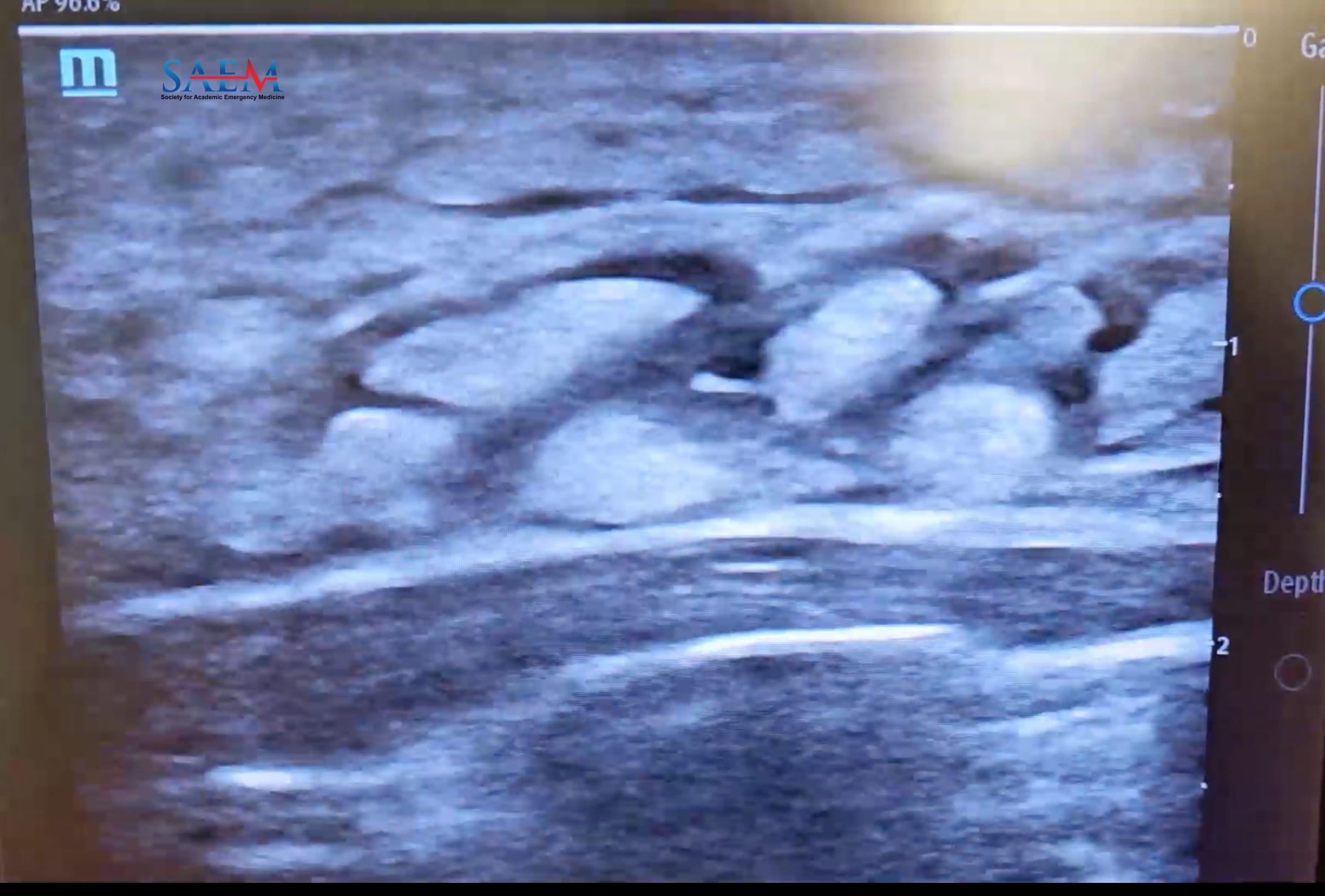
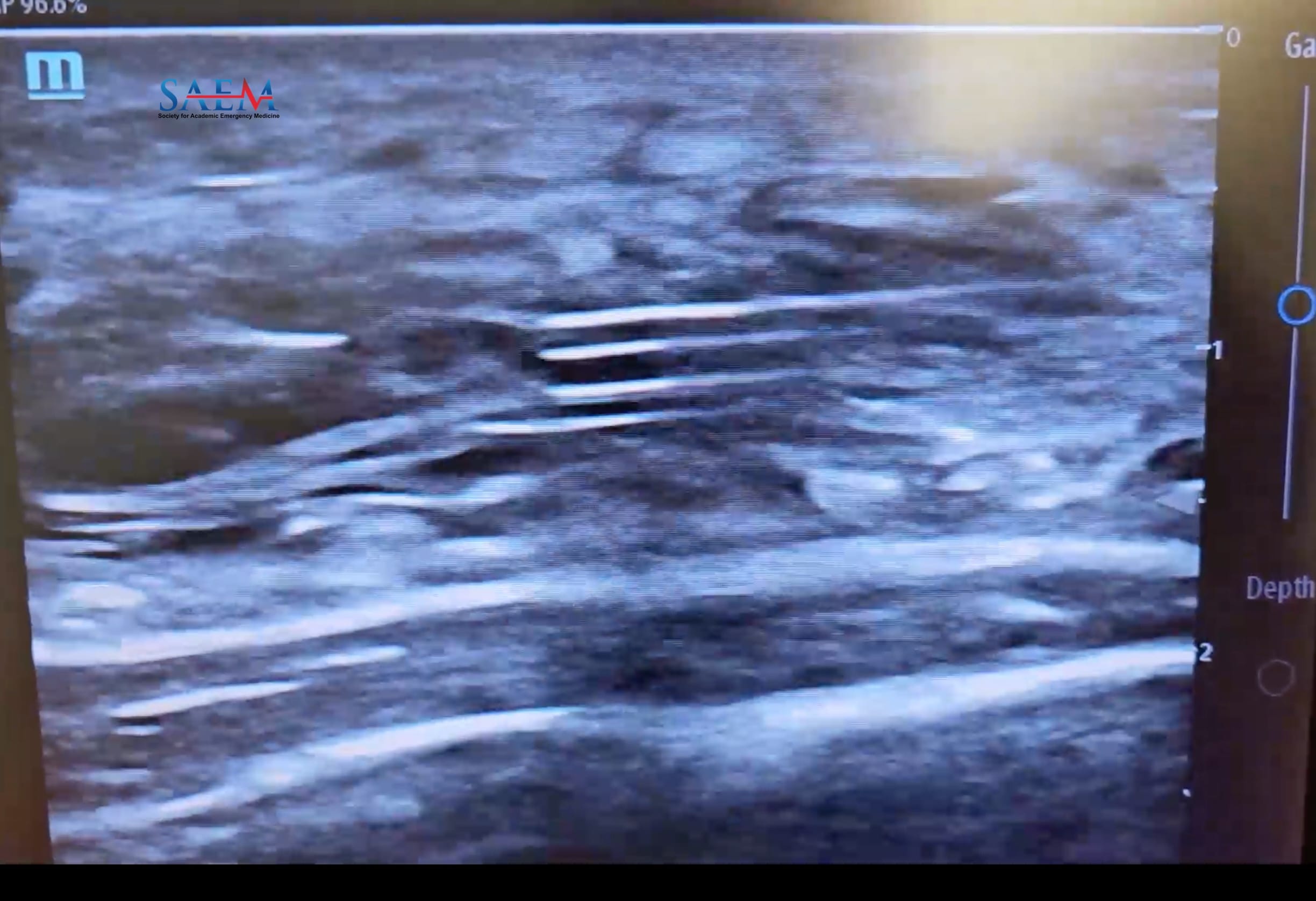
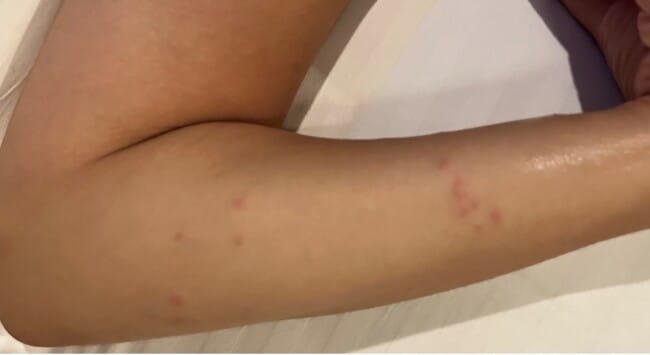
Limited evidence suggests that there may be some sonographic differences between the papular urticaria of a “skeeter syndrome” and local cellulitis. On ultrasound, both findings will have thickening of dermal and subcutaneous tissues. Angioedema characteristically includes more linear, horizontal, striated bands — in comparison to cobblestoning found in cellulitis [1]. However, additional studies are needed to confirm this.

Figure 13. Ultrasound of angioedema (left) and cellulitis with cobblestoning (right). Angioedema image courtesy of Dr. Laura Malia.

Necrotizing fasciitis is a rare pediatric diagnosis but a rapidly progressive and life-threatening condition if not identified quickly. While necrotizing fasciitis is primarily a clinical diagnosis, imaging may be helpful when the diagnosis is uncertain. Computed tomography (CT) and magnetic resonance imaging (MRI) have good test characteristics; however, these tests are time-consuming and may not be available in all centers. CT also involves ionizing radiation. Point-of-care ultrasound has the benefit of rapid bedside use and lack of ionizing radiation.

On ultrasound, early necrotizing fasciitis presents with thickening of the subcutaneous tissue, similar to cellulitis. Fluid in the fascial layers may also be present, and a thick layer of pre-fascial fluid >4 mm has been associated with necrotizing fasciitis [2]. Subcutaneous air with dirty shadowing (Figure 14) is a characteristic but late finding in necrotizing fasciitis. These findings may be recalled using the “STAFF” mnemonic [3]:

  • Subcutaneous Thickening
  • Air
  • Fascial Fluid

Note: It may be difficult to distinguish early cases of necrotizing fasciitis from cellulitis. Therefore ultrasound should not be used to exclude necrotizing fasciitis. Patients with findings concerning for necrotizing fasciitis require additional work-up and surgical consultation.

Figure 14. Necrotizing fasciitis on POCUS exam showing the presence of air with dirty shadowing within soft tissue (image courtesy of Dr. Di Coneybeare)

For additional reading on ultrasounding necrotizing fasciitis, see these ALiEM articles:

  • As with all ultrasound applications, soft tissue POCUS is operator dependent.
  • The ultrasound can only see what is scanned. You must make sure the lesion is fully imaged.
  • It is difficult to differentiate between various types of fluid on ultrasound. For example, hematomas may resemble abscesses. Therefore clinical context is important.

There have been multiple studies (Table 3) that support the use of soft tissue POCUS for identification of cellulitis or abscess. Soft tissue POCUS has been shown to have good sensitivity and specificity. It has also been shown to be superior to clinical assessment in several pediatric studies.

POCUS can also reduce the length of stay (LOS) for our patients. In one pediatric study including 3,094 children suspected of a soft tissue infection who underwent either POCUS or radiology department ultrasound, POCUS was shown to have a shorter median LOS by 73 minutes (95% CI 52.4-93.6 min) [4].

StudyNMethodsPOCUS Sensitivity (95% CI)POCUS Specificity (95% CI)Conclusions
Gottleib et al., Ann Emerg Med 2020 [5]2,656Systematic review of adult and pediatric studies94.6%

(89.4-97.4%)

85.4%

(78.9-90.2%)

POCUS has good diagnostic accuracy. Led to correct change in management in 10% of cases.
Lam et al., J Emerg Med 2018 [6]327Prospective cohort study of children 6mo-18yrs comparing clinical assessment to POCUS90.3%

(83.4-94.7%)

80%

(70.0-87.4%)

POCUS changed management in 22.9% of cases*
Subramaniam et al., Acad Emerg Med 2016 [7]800Systematic review of adult and pediatric (patients from birth – 21yrs) studies97%

(94-98%)

83%

(75-88%)

POCUS may assist physicians in distinguishing cellulitis versus abscess.
Adams et al., J Pediatr 2015 [8]151Prospective cohort study of patients 3mo-21yrs comparing clinical assessment to POCUS96%

(90-99%)

87%

(74-95%)

POCUS changed management in 27% of cases.** For every 4 ultrasounds performed, 1 correct change in management.
Sivitz et al., J Emerg Med 2009 [9]50Prospective cohort study of children <18yrs comparing clinical assessment to POCUS90%

(77-100%)

83%

(70-97%)

POCUS changed management in 22% of cases.
Table 3. Studies comparing soft tissue POCUS to clinical assessment in the management of soft tissue infections.
* Change in management after POCUS defined by the following:
  • Changed incision location/size
  • Added packing
  • Medical to surgical management
  • Surgical to medical management
  • Consultation of specialist
  • Other
** Change in management defined as when the ultrasound diagnosis was discordant from the physical exam and matched the ultimate lesion classification.

Case Resolution

After reviewing the literature, you decide to perform a POCUS to evaluate for skin abscess. You place a linear, high-frequency transducer over the patient’s affected area and you observe the following:

Video 6. Soft tissue ultrasound showing an abscess with heterogeneous appearance and irregular borders with posterior acoustic enhancement, surrounding soft tissue haziness, cobblestoning

ED Course

The patient underwent successful incision and drainage of the abscess, and she was discharged home with antibiotics.


Learn More…

References

  1. Tay ET, Ngai KM, Tsung JW, Sanders JE. Point-of-Care Ultrasound on Management of Cellulitis Versus Local Angioedema in the Pediatric Emergency Department. Pediatr Emerg Care. 2022 Feb 1;38(2):e674-e677. doi: 10.1097/PEC.0000000000002416. PMID: 34398861.
  2. Yen ZS, Wang HP, Ma HM, et al. Ultrasonographic screening of clinically-suspected necrotizing fasciitis. Acad Emerg Med. 2002;9:1448–1451. PMID 12460854.
  3. Castleberg E, Jenson N, Dinh VA. Diagnosis of necrotizing faciitis with bedside ultrasound: the STAFF Exam. West J Emerg Med. 2014 Feb;15(1):111-3. doi: 10.5811/westjem.2013.8.18303. PMID: 24578776; PMCID: PMC3935782.
  4. Lin MJ, Neuman M, Rempell R, Monuteaux M, Levy J. Point-of-Care Ultrasound is Associated With Decreased Length of Stay in Children Presenting to the Emergency Department With Soft Tissue Infection. J Emerg Med. 2018 Jan;54(1):96-101. doi: 10.1016/j.jemermed.2017.09.017. Epub 2017 Oct 27. PMID: 29110982.
  5. Gottlieb M, Avila J, Chottiner M, Peksa GD. Point-of-Care Ultrasonography for the Diagnosis of Skin and Soft Tissue Abscesses: A Systematic Review and Meta-analysis. Ann Emerg Med. 2020 Jul;76(1):67-77. doi: 10.1016/j.annemergmed.2020.01.004. Epub 2020 Feb 17. Erratum in: Ann Emerg Med. 2022 Jan;79(1):90. PMID: 32081383.
  6. Lam SHF, Sivitz A, Alade K, Doniger SJ, Tessaro MO, Rabiner JE, Arroyo A, Castillo EM, Thompson CA, Yang M, Mistry RD. Comparison of Ultrasound Guidance vs. Clinical Assessment Alone for Management of Pediatric Skin and Soft Tissue Infections. J Emerg Med. 2018 Nov;55(5):693-701. doi: 10.1016/j.jemermed.2018.07.010. Epub 2018 Aug 28. PMID: 30170835; PMCID: PMC6369916.
  7. Subramaniam S, Bober J, Chao J, Zehtabchi S. Point-of-care Ultrasound for Diagnosis of Abscess in Skin and Soft Tissue Infections. Acad Emerg Med. 2016 Nov;23(11):1298-1306. doi: 10.1111/acem.13049. Epub 2016 Nov 1. PMID: 27770490.
  8. Adams CM, Neuman MI, Levy JA. Point-of-Care Ultrasonography for the Diagnosis of Pediatric Soft Tissue Infection. J Pediatr. 2016 Feb;169:122-7.e1. doi: 10.1016/j.jpeds.2015.10.026. Epub 2015 Nov 10. PMID: 26563535.
  9. Sivitz AB, Lam SH, Ramirez-Schrempp D, Valente JH, Nagdev AD. Effect of bedside ultrasound on management of pediatric soft-tissue infection. J Emerg Med. 2010 Nov;39(5):637-43. doi: 10.1016/j.jemermed.2009.05.013. Epub 2009 Aug 8. PMID: 19665335.

Top 3 SOAR Blog Posts on Pediatric Respiratory Infectious Disease

pediatric respiratory infectious diseases soar review

There has been a well-documented growth in the use of FOAM in graduate medical education [1-4]. The decentralized nature of FOAM along with concerns with the lack of peer review make the assessment of the quality of information difficult. Several years ago, a group of physicians set out to solve these problems by modifying the traditional systematic review format, and created the Systematic Online Academic Resource (SOAR) review. The SOAR review aims to “systematically identify online resources by topic…[and] assess the quality of these resources with a validated tool, and collate links.” [5]

Our review, “Systematic online academic resource (SOAR) review: Pediatric respiratory infectious disease,” [6] is the fourth in the AEM Education and Training series – and the first focusing on pediatrics. We identified 36 high-quality blog posts on this topic.

Previous SOAR reviews included the following:

What were the top 3 posts for pediatric respiratory ID?

rMETRIQ ScoreTopicBlog/Podcast PostDate of Publication
20EpiglottitisRadiopaedia: Epiglottitis1/29/10
19Strep pharyngitisemDOCs Podcast – Episode 27: An Understated Myth? Strep Throat & Rheumatic Fever4/27/21
19Hand-foot-and-mouth diseaseRadiopaedia: Enterovirus 711/24/14

How can I find the entire list of the 36 high-quality blog posts?

Looking for a blog post on bronchiolitis? Pneumonia? Croup? Look no further! You can view these high-quality blog posts in our SOAR publication (subscription required) [6]. To make it easier, you can also identify these resources by topic on PEMBlog with Dr. Brad Sobolewski (coauthor of the SOAR review):

  1. Bronchiolitis
  2. Epiglottitis
  3. Pneumonia
  4. Croup
  5. Everything else

How did we arrive at 36 blog posts?

Using 177 search terms, our initial search yielded 44,897 resources, 441 of which met criteria for quality assessment.

  • 36 of the 441 blog posts reached the high-quality cutoff score of ≥16 using the rMETRIQ scoring tool.
  • 67 of the 441 blog posts had an rMETRIQ score of ≤7, meeting the threshold for poor quality.
  • Similar to prior SOAR reviews, there was an uneven distribution of blog posts for each topic.
  • For all of the posts reviewed, the highest mean scores were seen in the first 3 questions of the rMETRIQ tool, which relate to the “Content” domain (vs. the “Credibility” and “Review” domains).
  • Only 5 of the 441 posts specified an intended audience level.

How do our findings compare to prior SOAR Reviews?

RenalEndocrineSickle CellPediatric Resp ID
# Reviewed34175653441
High Quality34 (10%)121 (16%)8 (15%)36 (8%)
Poor Quality*NANA11 (21%)67 (15%)

* Poor quality was not assessed in the first 2 SOAR reviews

Special thanks to SOAR coauthors Brad Sobolewski, Cindy Roskind, Andrew Grock, JooYeon Jung, Shirley Bae, and Lisa Zhao.

References

  1. Purdy E, Thoma B, Bednarczyk J, Migneault D, Sherbino J. The use of free online educational resources by Canadian emergency medicine residents and program directors. Can J Emerg Med. 2015;17(2):101-106. doi:10.1017/cem.2014.73. PMID 25927253
  2. Mallin M, Schlein S, Doctor S, Stroud S, Dawson M, Fix M. A survey of the current utilization of asynchronous education among emergency medicine residents in the United States. Acad Med. 2014;89(4):598-601. doi:10.1097/ACM.0000000000000170. PMID 24556776
  3. Thurtle N, Banks C, Cox M, Pain T, Furyk J. Free open access medical education resource knowledge and utilisation amongst emergency medicine trainees: a survey in four countries. Afr J Emerg Med. 2016;6(1):12-17. doi:10.1016/J.AFJEM.2015.10.005. PMID 30456058
  4. Reiter DA, Lakoff DJ, Trueger NS, Shah KH. Individual interactive instruction: an innovative enhancement to resident education. Ann Emerg Med. 2013;61(1):110-113. doi:10.1016/J. ANNEMERGMED.2012.02.028. PMID 22520994
  5. Grock A, Bhalerao A, Chan TM, Thoma B, Wescott AB, Trueger NS. Systematic online academic resource (SOAR) review: renal and genitourinary. AEM Educ Train. 2019;3(4):375-386. doi:10.1002/ aet2.10351. PMID 31637355
  6. Belfer J, Roskind CG, Grock A, et al. Systematic online academic resource (SOAR) review: Pediatric respiratory infectious disease. AEM Educ Train. 2024;8(1):e10945. Published 2024 Feb 21. doi:10.1002/aet2.10945. PMID 38510728
Go to Top