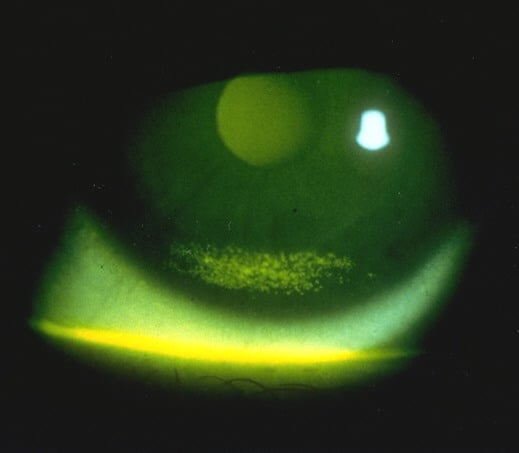
Trick of the Trade: DIY Finger Traps
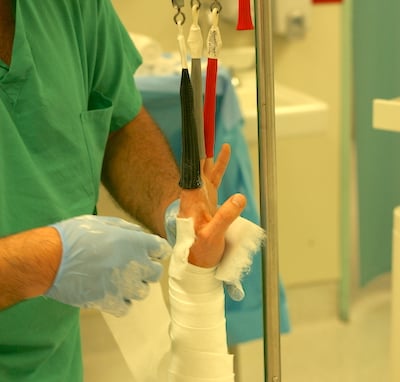 Distal radius fractures are among the most commonly encountered fractures in the emergency department (ED). They have been reported to account for around 25% of pediatric fractures and up to 18% of fractures in the elderly.1 Reducing minimally displaced distal radius fractures is a procedure that can be greatly facilitated by the presence of finger traps, which help hold traction while you reduce the fracture.2 Often While working in small 5-bed, free-standing emergency department (ED), I found myself needing to perform this vital procedure and finger traps were unavailable.
 Severe sepsis and septic shock affect millions of patients worldwide and have high rates of morbidity and mortality as well as high resource utilization. The way we manage sepsis has changed quite a bit since the Rivers et al randomized controlled trial of early goal-directed therapy (EGDT)
 We are excited and proud to introduce a new series as part of the
  We found an enormous amount of posts on respiratory topics and thus have divided the content into two modules. This first module will focus on general respiratory issues with airway and pulmonary embolism covered in the second module. Below we have listed our selection of the 15 highest quality blog posts within the past 12 months (current as of April 2015) related to respiratory, curated and approved for residency training by the AIR Series Board. In this module we have 4 AIRs and 11 Honorable Mentions. We strive for comprehensiveness by selecting from a broad spectrum of blogs from the top 50 listing per the
  I was recently the author of a