High risk back pain: Spinal Epidural Abscess
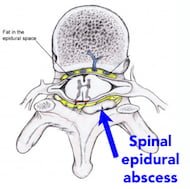 Spinal epidural abscess (SEA) is a rare but potentially catastrophic cause of back pain. Classically these patients are described as having back pain, fever, and clear neurologic deficits. In reality, patients often present with less obvious symptoms which often leads to a delay in diagnosis. Missed cases of SEA are a source of significant risk to both the patient and the provider. To improve outcomes and minimize risk, providers must identify and promptly evaluate patients who are at increased risk of developing a SEA.

 Welcome to the first ALiEM Approved Instructional Resources (AIR) Module! In an effort to reward our readers for the reading and learning they are already doing online, we have created an Individual Interactive Instruction (III) opportunity utilizing FOAM resources for US Emergency Medicine residents. For each module, the board curates and scores a list of blogs and podcasts. A quiz is available to complete after each module to obtain residency conference credit. Once completed, your name and institution will be logged into our private Google Drive database, which participating residency program directors can access to provide access.

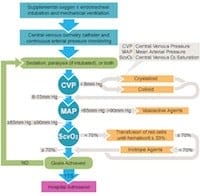 Today, the New England Journal of Medicine just released a landmark paper by the ProCESS (Protocolized Care for Early Septic Shock) trial investigators. There has already been much buzz about this on various blogs and websites, including