Blood Cultures in Pneumonia
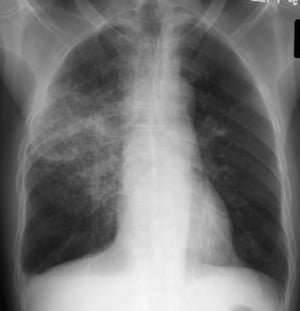 A 75 year old woman is found to have pneumonia. With a CURB-65 of 3 and a PORT score of 95, she is correctly treated her for community acquired pneumonia with Ceftriaxone and Azithromycin, and admitted. Unfortunately, the admitting service points out that no blood cultures were drawn! What is the evidence for this?
Originally from Clinical Monster blog

 To provide a resource for evidence-based Emergency Medical education, this list of must-read landmark articles was created to supplement the Emergency Medicine (EM) internship year of training. There are 52 articles so that one article can be read at leisure each week of the year. I searched national databases and polled faculty at the University of Washington to identify articles that faculty would expect any EM resident to be familiar with or that they felt were practice-changing in EM. Articles were selected for the final list based on the quality of study design, sample size, and relevance for EM residents.
 Case
Case